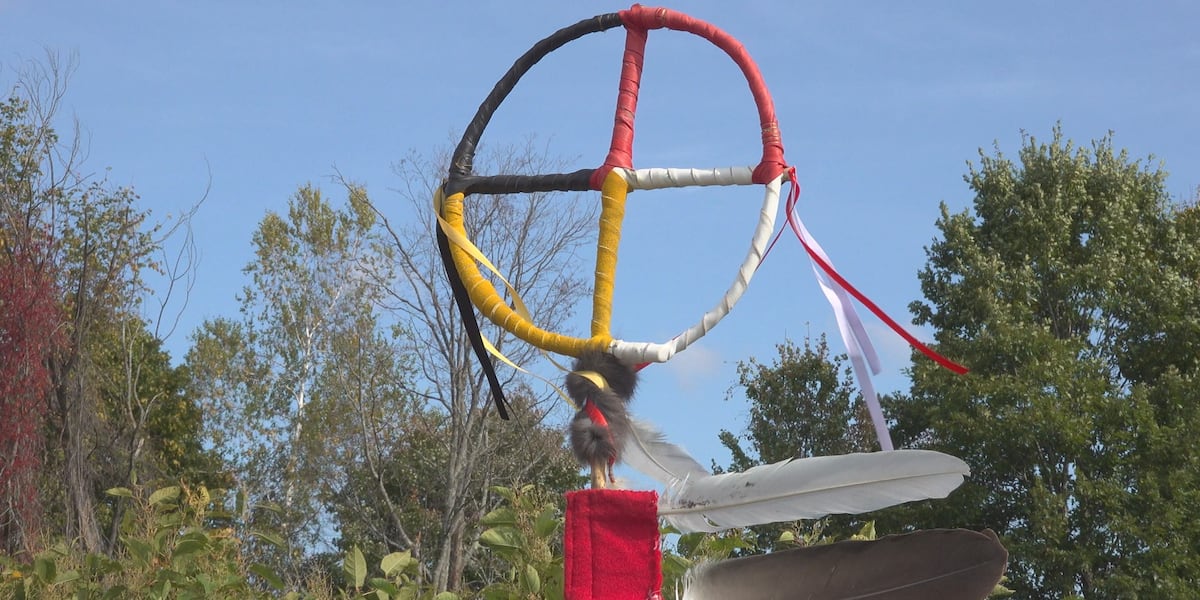
Vermont Grants Historic Recognition to Abenaki Tribe on This Day in 2006
On May 3, 2006, Vermont took decisive action to honor the state’s Indigenous heritage by officially recognizing the Abenaki people. Governor Jim Douglas signed a groundbreaking law granting state-level recognition to the Abenaki after decades of persistent advocacy by tribal leaders and community members. The move marks a pivotal moment in preserving and celebrating Vermont’s original inhabitants.
“Vermont’s history and heritage are very special indeed. History is important to Vermonters because it allows us to understand who we are,” Douglas emphasized at the signing ceremony, highlighting the deep cultural and historical significance of the recognition.
The Abenaki had sought federal recognition for years but faced rejection, which blocked key privileges such as pursuing land claims or developing tribal enterprises like casinos. In response, Vermont lawmakers circumvented these federal denials with this state-level acknowledgment, signaling an overdue tribute to Indigenous rights and cultural preservation.
Why This Matters Now
The state recognition has immediate and ongoing repercussions for Indigenous communities within Vermont and serves as an example nationwide. It validates the Abenaki’s longstanding connection to the region, advances protection of their cultural heritage, and raises awareness of Indigenous histories in the northeastern United States.
For Colorado and across the U.S., this represents an important model of state action when federal systems stall, highlighting local government power in acknowledging Indigenous peoples and their rights — a topic of growing national relevance.
New Hampshire’s Loss: The Collapse of the Old Man of the Mountain
Coinciding with Vermont’s historic recognition date, May 3 also marks a somber moment in New Hampshire’s history. On May 3, 2003, the iconic “Old Man of the Mountain” rock formation on Cannon Mountain unexpectedly crumbled. This natural profile resembling a man’s face had stood sentinel over the White Mountains for roughly 10,000 years.
The collapse shocked residents and visitors alike, marking the loss of one of New Hampshire’s most cherished symbols featured on license plates, state quarters, and countless other official images. Its disappearance serves as a powerful reminder of nature’s enduring impact and impermanence, even on landmarks considered timeless.
Looking Ahead
The official recognition of the Abenaki is expected to catalyze further cultural preservation efforts and legislative actions regarding Indigenous peoples in Vermont and beyond. This moment invites renewed national conversation about Indigenous recognition at both state and federal levels. Meanwhile, the memory of the Old Man of the Mountain spurs ongoing efforts to memorialize natural wonders lost to time and natural forces.
Colorado readers watching these developments can draw connections to local Indigenous recognition efforts and the evolving landscape of cultural heritage protection across the United States.
“Vermont’s history and heritage are very special indeed. History is important to Vermonters because it allows us to understand who we are,” — Governor Jim Douglas, 2006
Sources: WCAX, Vermont State Records