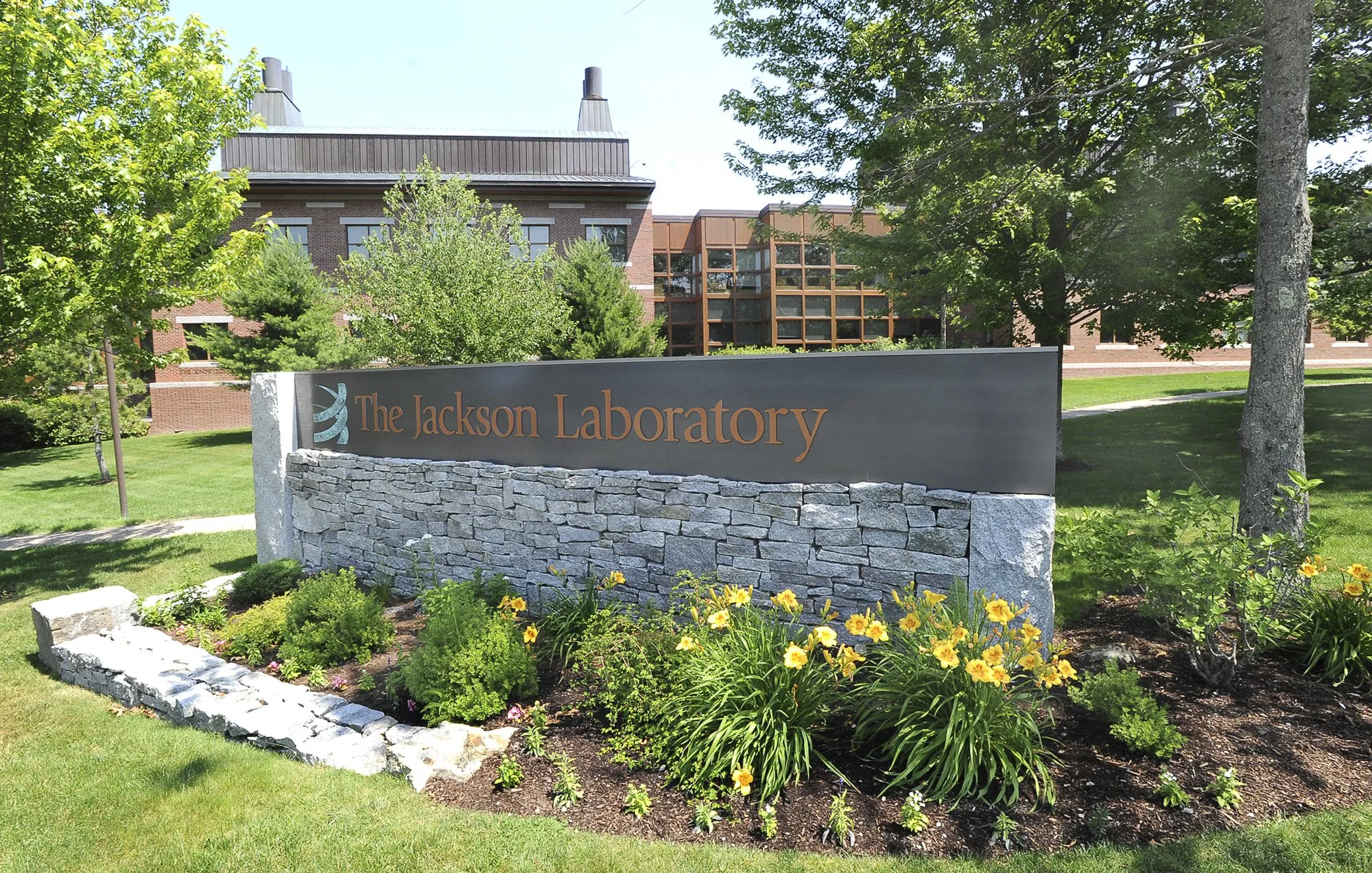
BREAKING: The Jackson Laboratory in Bar Harbor, Maine, has just been awarded a groundbreaking federal grant of up to $30.6 million to develop innovative digital heart models for drug testing. This announcement was made on October 12, 2023, marking a historic moment as it becomes the first research institution in Maine to receive such specialized funding from the Advanced Research Projects Agency for Health (ARPA-H), a division of the U.S. Department of Health and Human Services.
This urgent investment aims to transform how drugs are evaluated by creating models that accurately reflect diverse genetic profiles and physiological differences across patient populations. Alicia Jackson, director of ARPA-H, emphasized the critical need for this advancement, stating, “Too many promising medicines fail late, after years of work and enormous cost, because our best tools still don’t reliably predict how a drug will behave in people.”
The $30.6 million grant will span over three years, enabling researchers to construct computer models that mimic real human biology. These models are designed to predict the safety and efficacy of new drugs well before they enter clinical trials. “With today’s awards, ARPA-H is backing cutting-edge teams to build human-based, AI-enabled models,” Jackson added, highlighting the potential to significantly reduce the time and cost associated with drug development.
Matt Mahoney, principal computational scientist at The Jackson Laboratory and lead investigator of the project, expressed his enthusiasm: “We’re tremendously excited. The idea of taking animal models out of pre-clinical safety evaluations and doing better with artificial intelligence and simulation is a tremendous opportunity.” Mahoney noted that traditional animal models often fail to accurately predict cardiotoxicity, a leading cause of clinical trial failures where drugs adversely affect heart function.
The project plans to utilize a combination of AI methods and human cellular models to create virtual human populations, effectively replacing animal models in toxicity testing. This innovative approach aims to enhance the precision of drug evaluations and ultimately improve patient safety.
The award has garnered praise from local officials, including Senator Susan Collins, who stated, “This more than $30 million grant is a testament to the incredible work happening at The Jackson Laboratory that has the potential to dramatically reduce the time and cost of drug development.”
As the project unfolds, The Jackson Laboratory, which employs over 1,000 people at its Bar Harbor campus, is expected to add new positions, although the exact number is yet to be determined.
Stay tuned for more updates on this developing story and its potential impact on the future of drug testing and patient care.