Legendary documentary filmmaker Barbara Kopple is back in the spotlight with a powerful new project exposing labor struggles inside Amazon’s vast delivery network. Kopple, who has won two Oscars for her previous groundbreaking films on coal miners and meatpackers, is turning her focus to today’s gig economy battles involving Amazon, UPS, and the Teamsters. This latest documentary is shining a harsh light on the precarious conditions faced by independent delivery workers, often caught in the crosshairs of corporate profits and minimal protections.
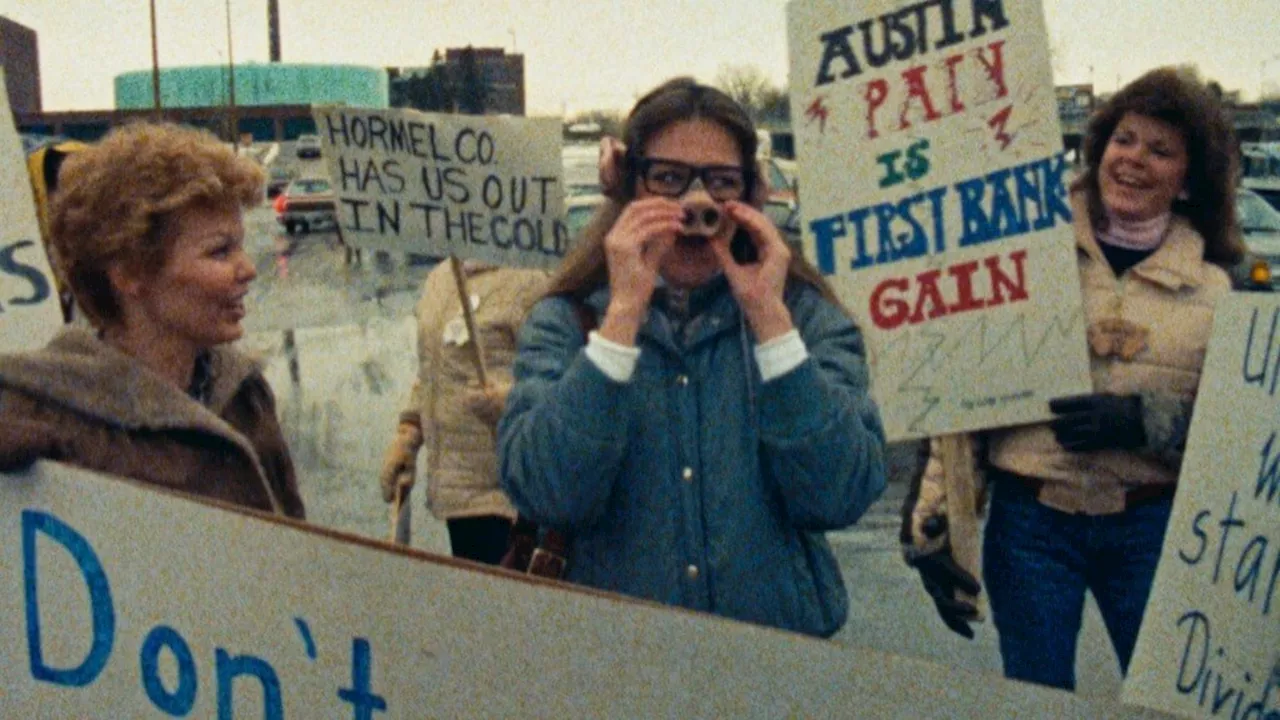
Kopple has spent decades embedded deeply in American labor communities, from the 1970s coal miners’ strike in Kentucky’s Harlan County to the controversial 1985 Hormel meatpacking strike in Austin, Minnesota. Her 1990 documentary American Dream captured the fracturing of the labor movement during the era of Reaganomics—a conflict still echoed in today’s labor disputes.
Amazon’s Independent Workers Face Brutal Realities
With her new film, Kopple turns to the modern frontline: the gig economy’s so-called “deliveristas” who work as independent subcontractors for Amazon. These workers, often immigrants, purchase their own bikes or motorcycles and protective gear but receive no health benefits and no safety net.
“Amazon uses independent workers who are not officially hired but can be fired at will,” Kopple explained in a recent interview. “If something happens to them, they’re responsible for it alone—no health insurance, no workers’ compensation.” This dynamic capitalizes on vulnerability, creating a modern labor version of David and Goliath where workers fend for themselves against one of the world’s most profitable companies.
Meanwhile, UPS and the Teamsters Union, despite having a century-old labor relationship, continue to face challenges as the company allegedly violates contracts, forcing workers to keep fighting for fair wages and conditions.
Filmmaking Rooted in Community Immersion
Kopple’s documentary approach is legendary because she does not just film a story—she lives it. She often spends years embedded within communities, building trust and understanding the deep personal and economic pressures shaping the labor movement. This method gave her exclusive insight into tensions like those between union factions during the Hormel strike, where family loyalty clashed with union solidarity.
She recalled how worker brothers found themselves on opposite sides of the picket line, torn between upholding union principles and supporting their families. Such human dramas lie at the heart of her storytelling, connecting past labor fights to today’s struggles in delivery warehouses and on the streets.
Funding Challenges Mirror Anti-Union Era
Kopple is candid about the challenges of producing socially focused documentaries in the current political climate. She likened the present moment to an anti-union, anti-arts era reminiscent of the Reagan years. “Funding is always hard,” she said. “At one point, they turned off my electricity at home—but I kept going.”
With public arts funding drying up for films addressing social issues, Kopple emphasizes the need for creative fundraising and donor support to keep these vital stories alive. ”You have to find donors who believe in these stories,” she said. “Even small contributions keep the fight going.”
What’s Next for Labor and Documentary Storytelling
As the labor movement faces growing pressures from corporate power and fractured union solidarity, Kopple’s new film about Amazon and the modern delivery workforce arrives as a crucial document capturing these battles for survival and dignity. Her decades of intimate, unflinching labor portraits serve as a call to action for workers, unions, and the public nationwide.
For Colorado audiences and Americans across the country, this new project highlights urgent questions about workers’ rights and corporate accountability in the billion-dollar gig economy. Kopple’s immersive filmmaking promises to bring these hidden struggles front and center—making it clear that the fight for fair labor conditions is far from over.