Islamic State-Linked Extremists Destroy Historic Church in Northern Mozambique
A brutal attack by Islamic State-linked extremists has left a historic Catholic church in northern Mozambique in ruins, devastating the local community and revealing the ongoing threat posed by the militant group in the region.
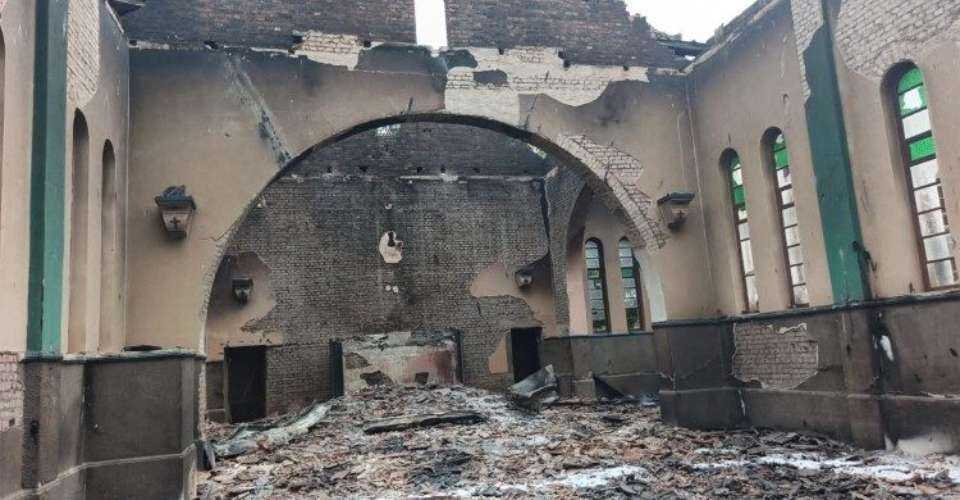
On April 30, militants targeted the St. Louis de Montfort Church in the town of Meza, located in the province of Cabo Delgado, according to the pontifical charity Aid to the Church in Need (ACN). The assault destroyed the church building, along with the church offices and the residence of Piarist missionaries serving at the parish. Additionally, a church-run kindergarten was vandalized during the attack.
The violence shocked residents and local religious leaders alike. Bishop António Juliasse Ferreira Sandramo of the Diocese of Pemba described the scene as “a scene of terror” with “homes and infrastructure all destroyed” and called for global solidarity with the victims. Civilians in Meza were reportedly captured and forced to witness “speeches of hatred” inflicted by the attackers before they withdrew at nightfall.
Attack Part of Broader Campaign by Islamic State-Mozambique
The Islamist insurgency in Cabo Delgado has intensified since 2017, with the Islamic State-Mozambique faction repeatedly targeting both Christian and Muslim communities. According to the Armed Conflict Location & Event Data (ACLED) project, the church attack was claimed by the group on May 1 and is part of a “repeated pattern” aimed at attracting international attention.
ACLED analysts note that direct attacks on churches are relatively rare in the region, constituting less than 6% of violent incidents. This makes the destruction of St. Louis de Montfort Church especially significant as a deliberate and symbolic assault on religious infrastructure. The U.S. Commission on International Religious Freedom recently reported the Islamic State-Mozambique’s “sustained campaign of violence,” which included the burning of 18 churches in the Chiúre district earlier this year and the beheading of six Christians in Ancuabe, a neighboring district.
These attacks have forced many parishes in Cabo Delgado to flee, contributing to a growing humanitarian crisis within the Diocese of Pemba, where religious structures have been systematically targeted.
Historic Church and Community Left in Ruins
Founded in 1946, the St. Louis de Montfort Church held deep historical and cultural importance for Catholics in this predominantly Muslim northern province. The destruction of the church represents not only a loss of a place of worship but also a blow to the faith and community cohesion in an already troubled region.
Bishop Juliasse emphasized that while the missionaries living in the parish survived the attack, the community remains traumatized. He appealed for prayers and solidarity from Catholics worldwide, affirming, “the faith of God’s people will never burn” despite the insurgents’ relentless destruction.
Why This Matters to U.S. and Colorado Readers
The Islamic State’s spread of violence across religious lines in Mozambique is part of a global pattern where extremist groups seek to destabilize vulnerable regions. For U.S. audiences, including readers in Colorado, this attack highlights the continuing risks faced by civilians in conflict zones worldwide and underscores the importance of global religious freedom and humanitarian efforts.
Colorado-based organizations and leaders advocating for peace and religious tolerance may find renewed urgency in supporting international aid and policies that counter violent extremism and protect persecuted communities.
What Comes Next
With the militants having withdrawn, recovery and rebuilding efforts face steep challenges amid ongoing insecurity. Observers are watching closely to see if the international community, including U.S. policymakers, will increase support for combating insurgent violence in Mozambique.
The Diocese of Pemba continues to call for global attention to the victims and for strengthened protection of vulnerable religious groups. The full human cost of the attack is yet to be assessed, but the message from Bishop Juliasse is clear: faith and resilience persist even in the shadow of terror.
“We ask for attention and solidarity for the victims of Meza… For nine years, we have watched the insurgents burn chapels and churches… but the faith of God’s people will never burn.” – Bishop António Juliasse Ferreira Sandramo