Rapid City Council Approves $10,000 Match for Bowls of Hope Utility Fundraiser
The Rapid City Council has greenlit up to $10,000 in matching funds for the Bowls of Hope fundraiser, amplifying community efforts to aid residents struggling to pay their utility bills. This crucial support arrives as the city prepares for the third installment of the popular annual event, set for 6 p.m. on Tuesday, May 19, at the Dahl Arts Center.
City officials and staff have partnered with St. Vincent de Paul to organize the Bowls of Hope program, which raises money through soup-based fundraising events designed to funnel donations directly to utility assistance for qualifying residents in need. Since launching last year, the initiative has steadily grown, showcasing the community’s commitment to combatting energy insecurity at the local level.
Matching Donations to Double Impact
With the council’s recent approval, every dollar raised at upcoming Bowls of Hope events will be matched by the city—up to $10,000. This move not only doubles the potential impact of every contribution but also highlights municipal leadership’s dedication to offer tangible relief as energy costs continue to challenge vulnerable households.
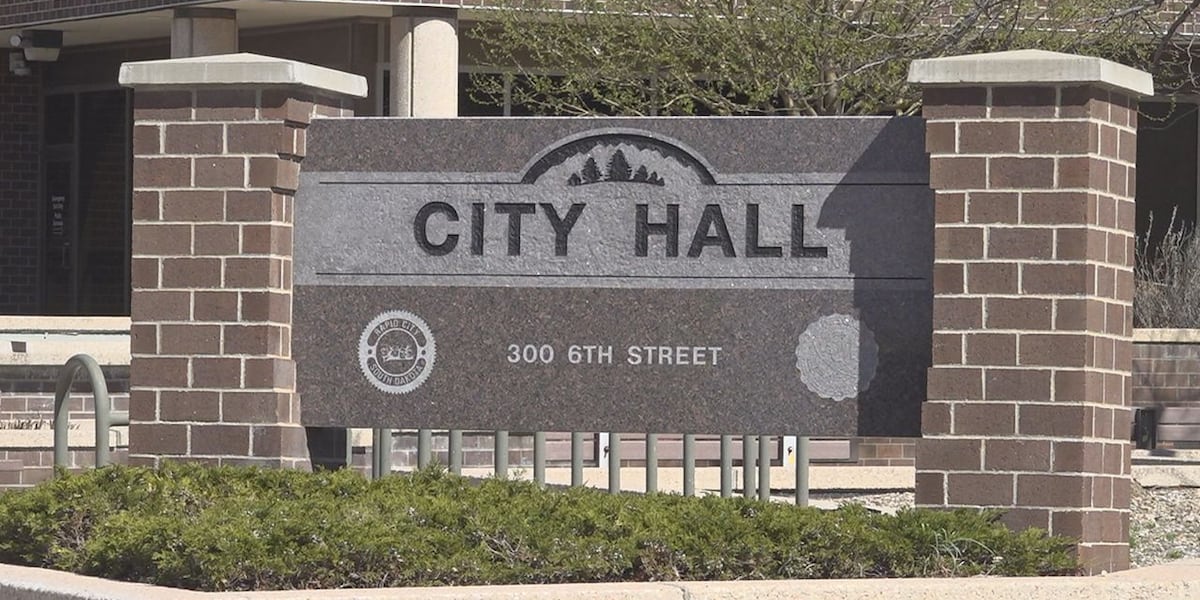
Earlier events at City Hall and the Dahl Arts Center raised approximately $2,900 in community donations, signaling strong local support. Now, the upcoming May 19 event invites donors and residents alike to participate and further stretch their giving power through the council’s matching commitment.
Why This Matters Right Now
As utility costs rise nationwide, increasing numbers of Americans face the harsh reality of choosing between essential services and other bills. Rapid City’s initiative stands as a model for community-driven assistance programs, reflecting a growing trend for city governments to directly support relief efforts in partnership with nonprofit organizations.
The Bowls of Hope events also foster a sense of solidarity, with city employees actively involved in fundraising efforts, bridging civic responsibility and public service in a tangible way. The program’s success underscores the critical role local governments can play in addressing immediate hardships within their communities through innovative, grassroots campaigns.
Upcoming Event Details and How to Help
The third Bowls of Hope event will take place at 6 p.m. on Tuesday, May 19, inside the Dahl Arts Center. Attendees can donate through purchase of soup and other activities designed to raise funds that will flow directly to St. Vincent de Paul’s utility assistance program, now boosted by the city’s dollar-for-dollar match.
City officials urge residents and businesses to contribute and spread the word to maximize the reach and effectiveness of the fundraiser. With the matching funds in place, every dollar shared will convert into two dollars of aid, delivering greater relief to those on the brink of utility disconnection this season.
Community Impact and Next Steps
With the Rapid City Council’s support, Bowls of Hope aims to dramatically increase its fundraising goals in 2026. Organizers plan to sustain and scale their efforts throughout the year, focusing on driving more participation across Rapid City and nearby communities.
As other cities and states face similar utility affordability struggles, Rapid City’s approach offers a replicable strategy combining government funding with grassroots support for immediate impact. The upcoming event marks a critical moment where community generosity meets municipal commitment, creating a bulwark against the growing economic strain on vulnerable residents.
“This partnership between City employees and St. Vincent de Paul shows how we can mobilize local resources to help our neighbors in need,” said a Rapid City Council representative.
The Bowls of Hope fundraiser stands as a timely and urgent solution, inviting every Coloradan and American attentive to the rising cost of living to watch this model closely and consider similar efforts in their communities.