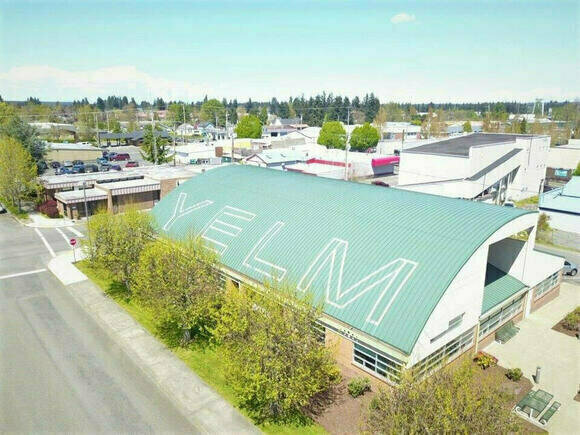
Yelm City Council Cracks Down on Animal Sales with Stricter Laws and Fines
The City of Yelm just took a decisive step to eliminate sales of animals on public or publicly accessible private property within city limits by approving updated municipal code language designed to curb backyard breeders and roadside animal sales.
The Yelm City Council unanimously passed modifications to Yelm Municipal Code chapter 6.08, which regulates pet animals like dogs and cats as well as farm animals in the city. The changes specifically ban the display, sale, barter, or advertisement of animals on any public property or private property open to the public, including streets, sidewalks, parking lots, and empty lots inside Yelm city limits.
These updates bring enforcement teeth by allowing the city to impose escalating fines on repeat offenders who violate the sale ban. Chris Vaccaro, Yelm’s building official, explained that offenders will face a warning on the first violation, a fine on the second, and higher fines or even arrest on the third.
“We’ve added legal language that allows us to fine repeat offenders selling animals on property, including regulating types of animals people can keep,” said Vaccaro.
Council members emphasized enforcement clarity. Councilor Tracey Wood sought to confirm the focus was on preventing roadside sales, often on others’ property, to which Vaccaro confirmed this is a recurring issue. Councilor Stephanie Kangiser pushed for uniformity and removed outdated code language regarding microchip implantation and inconsistent animal hold times, resulting in unanimous approval of amendments specifying a 48-hour hold period in animal control regulatory sections.
The code does not apply to sales occurring on private property not open to the public, nor to licensed pet shops, kennels, or nonprofit humane organizations committed to animal welfare, ensuring protections for legitimate businesses and animal rescue efforts.
Public property is broadly defined to include any city-owned land or rights-of-way such as streets, alleys, and other spaces owned or controlled by Yelm, while private property open to the public covers places like parking lots and sidewalks accessible within city limits.
This move addresses a growing concern about unregulated animal sales and the welfare risks connected to backyard breeders and roadside dealers. The City of Yelm now has clear, enforceable standards and penalties to better protect animals and residents alike.
Residents and businesses can review the full updated code online at https://tinyurl.com/YelmCodeAnimals.
Immediate Impact for Yelm Residents and Animal Welfare
The stronger municipal code updates come just as cities nationwide face increased scrutiny of animal sales involving unethical breeders. For Yelm residents, these changes mean safer public spaces free from unwanted animal sale activities and enhanced protections against animal cruelty risks.
With the City Council’s unanimous backing, enforcement will now include progressive penalties ensuring that repeat violators face tangible consequences—ranging from warnings to fines and potential arrests—signaling Yelm’s commitment to animal welfare and orderly public spaces.
What’s Next
The City of Yelm plans to continue fine-tuning animal-related regulations, including hold time policies and specific rules governing the kinds of animals that can be kept inside city limits. These steps aim to close gaps and ensure consistent application of animal regulations. Officials encourage residents to remain informed and report violations to local authorities.
This updated municipal code in Yelm reflects a growing national trend for cities to take control over in-person animal sales in public venues, with strict penalties deterring unregulated breeders and roadside sellers commonly linked with animal welfare abuses.
For Colorado and readers nationwide, Yelm’s action underscores the importance of local governments actively protecting communities and companion animals from exploitative sales practices through clear laws and effective enforcement.