The ongoing conflict in Iran is escalating beyond its initial focus on oil, now posing a serious threat to global food prices. Since the onset of U.S.-Israeli attacks on February 28, 2023, shipping routes through the Strait of Hormuz have been severely disrupted. This vital passageway sees approximately one-third of the world’s fertilizer ingredients transit through its waters, essential for producing the food staples consumed worldwide.
The Strait of Hormuz is not only crucial for fertilizer shipments but also for about one-fifth of global oil supplies. The situation has deteriorated, with Iranian military forces attacking at least three cargo ships and fears mounting that Iran has deployed sea mines in the area. As a result, many shipping companies and oil tanker operators are avoiding the strait, leading to marine tracking systems showing hundreds of vessels idling just outside the waterway. This has caused oil prices to soar, with U.S. crude recently topping $99 a barrel, marking a significant increase of around 50% since the conflict began.
As the situation unfolds, the potential impact on the global food supply chain is becoming increasingly alarming. According to Joe Brusuelas, chief economist at RSM, the conflict poses a largely underappreciated risk to food availability, as exports from the Middle East are crucial for fertilizer production. The region accounts for approximately 49% of global urea exports and about 30% of ammonia exports, according to the American Farm Bureau Federation.
The interconnected nature of fertilizer markets means that disruptions in one region can quickly lead to price increases and reduced availability elsewhere. Faith Parum, an economist at the Farm Bureau, emphasized that any rise in costs or supply tightness can ripple through the agricultural supply chain, directly affecting food prices.
American farmers are already feeling the impact. John Boyd Jr., a fourth-generation farmer from Virginia, expressed concern as he reported that his fertilizer supplier warned of delays in shipments due to the conflict. “The dealers are telling me we can’t get the fertilizer,” Boyd stated in a recent interview. “Due to the war and the bombing through that area, the fertilizer isn’t moving.” He highlighted the critical role fertilizer plays in food production, stating that without it, crop yields would significantly decline.
Recent data reveals that as of March 10, 2023, ammonia prices in the Middle East surged by 92% compared to the previous year, while urea prices skyrocketed by 70%. In the U.S., ammonia prices are currently 41% higher than they were last March, with urea prices increasing by 21%. Brusuelas noted that these rising fertilizer costs will inevitably contribute to higher prices at U.S. supermarkets.
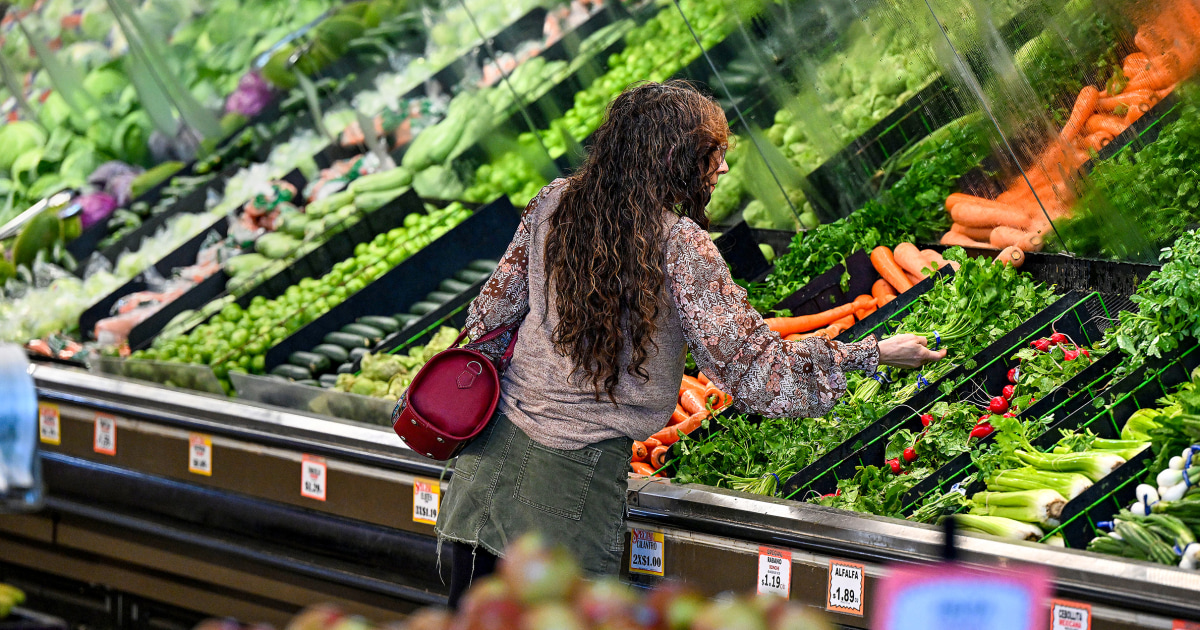
Food prices are already on the rise, with the latest consumer inflation data indicating that grocery prices increased by 0.4% from January to February, marking a 2.4% rise year-on-year. The cost of dining out has also seen an uptick of 0.3% over the same period, climbing 3.9% from the previous year. With planting season approaching, any disruption to fertilizer supplies could exacerbate food price pressures in the coming months.
The timing is critical for U.S. agriculture, as farmers typically purchase fertilizer and prepare their fields for planting in the spring. Parum stressed the importance of securing transit routes and risk-coverage insurance for vessels transporting fertilizers through the Strait of Hormuz. Without timely access to necessary supplies, farmers may be forced to reduce planted acreage, leading to lower yields and increased food insecurity.
On March 10, 2023, Agriculture Secretary Brooke Rollins announced that the administration is nearing a solution aimed at mitigating fertilizer costs for farmers. While she noted that most farmers have already procured their fertilizer for the planting season, approximately 25% have not, leaving them vulnerable to escalating prices. “Obviously, events around the world are impacting our farmers,” she acknowledged at a White House event.
In addition to fertilizer, farmers are grappling with rising diesel prices, which power critical equipment like tractors and irrigation systems. Boyd highlighted the increasing strain of fuel costs on his operations, stating, “I have a tractor that requires 100 gallons of diesel fuel to fill it up, and it costs me $469 just for a tank of diesel fuel.”
As the conflict in Iran continues to unfold, the repercussions are likely to extend far beyond the region, posing serious challenges for food production and pricing on a global scale.