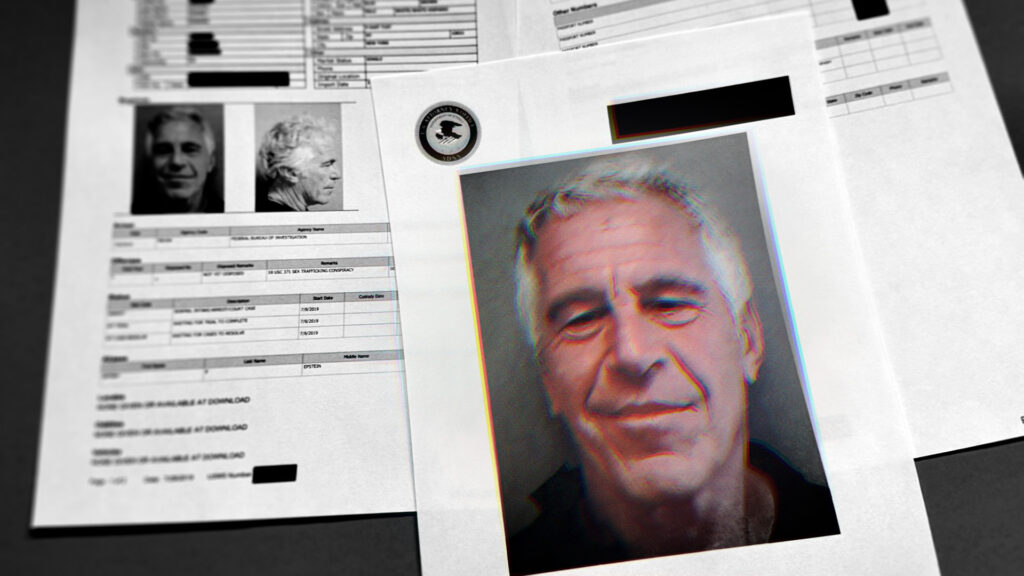
Tissue samples linked to the controversial figure, Jeffrey Epstein, have sparked significant concern within the Harvard Medical School lab of renowned geneticist George Church. In the summer of 2013, Epstein’s blood sample was prioritized for sequencing despite its recent arrival, igniting a crisis among researchers involved in the Personal Genome Project (PGP).
The PGP, which aims to advance genomics by analyzing human DNA, houses samples that can remain dormant for extended periods until funding allows for their sequencing. Typically, these samples are sourced from participants who donate their biological materials for research purposes. When Mad Ball, the project’s director of research at the time, discovered the push to expedite Epstein’s sample, the decision raised alarms.
Upon investigating the sample’s origin, Ball found Epstein’s name associated with serious allegations, including numerous accusations of sexual assault against minors. Notably, Epstein had previously been a registered sex offender, having faced a controversial plea deal in 2008 that resulted in minimal charges despite multiple accusations. This revelation prompted immediate concern for Ball, who feared the implications of prioritizing a sample from such a figure.
“It was such a shock to me, I didn’t even have words,” Ball explained. The situation felt particularly distressing as it suggested a potential quid pro quo arrangement. “It looked like a quid pro quo sort of thing, which would have been upsetting but not super upsetting if it wasn’t a bad person but just a rich person. But this was a rich, bad person, and it looked awful.”
The uproar over Epstein’s involvement in the PGP has not been widely reported until now, despite Church’s known connections to Epstein spanning over two decades. Internal communications and interviews with lab members indicate that researchers successfully opposed any special treatment for Epstein. Yet, these discussions also suggest that Church might have been more aware of Epstein’s actions at that time than previously acknowledged.
Newly released documents from the Department of Justice indicate that Church received funding from Epstein or through his associates shortly after the uproar over the blood sample. This connection has raised further questions about the ethical implications of such relationships within the scientific community.
As the PGP continues its mission to democratize access to genomic information, the incident underscores the complexities of navigating ethics, funding, and the influence of wealthy donors in research. The fallout from Epstein’s presence in the Harvard lab raises critical questions regarding accountability and the responsibilities of researchers when faced with controversial figures.
The intersection of science and ethics remains a pivotal issue, particularly as institutions grapple with the legacy of individuals implicated in serious wrongdoing. The Harvard Medical School lab’s experience with Epstein serves as a cautionary tale for similar projects worldwide, emphasizing the importance of transparency and integrity in scientific research.