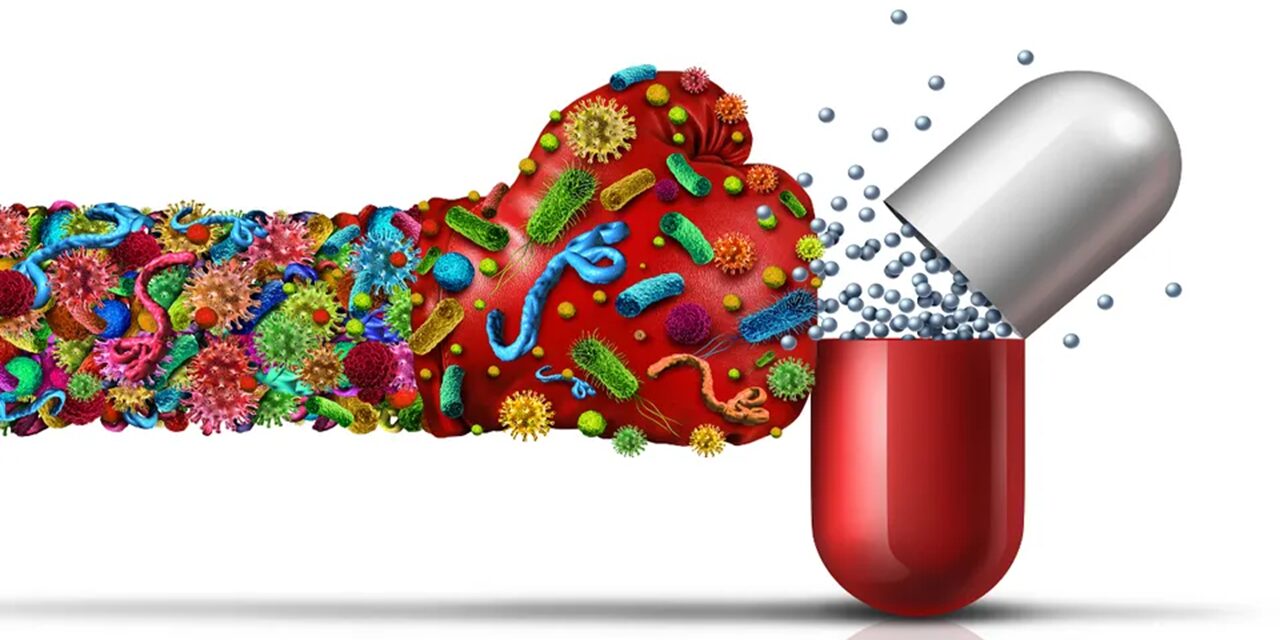
A recent survey conducted in Australia has shown a low level of antibiotic resistance in three types of meat, indicating minimal risk to human health. The findings, released by Food Standards Australia New Zealand (FSANZ), underscore the importance of safe practices in primary production, processing, cooking, and food handling.
The survey evaluated the presence of resistance to antibiotics deemed critical for treating human infections. Results indicated that the levels of resistance in raw retail meats are notably low. This suggests that consumers can have confidence in the safety of meat products, provided that proper food safety measures are adhered to.
Key Findings on Antibiotic Resistance
According to FSANZ, the risk of bacteria from raw meats leading to resistant infections is minimal when safe food handling practices are employed. The organization emphasized that thorough cooking and proper food storage are essential steps to prevent any potential health risks associated with antibiotic-resistant bacteria.
The survey analyzed samples from different types of meat, including beef, pork, and chicken. FSANZ’s findings align with global health recommendations, reinforcing that responsible farming and processing techniques contribute significantly to public health safety.
Implications for Consumers and the Industry
This survey serves as a reminder of the vital role that food safety plays in protecting public health. With antibiotic resistance becoming an increasingly pressing issue worldwide, the results provide reassurance to consumers regarding the quality and safety of meat products in Australia.
The low levels of antibiotic resistance found in this survey may also positively impact the meat industry. By demonstrating a commitment to safety and quality, Australian producers can enhance consumer confidence and potentially expand their market reach.
The FSANZ report highlights the collaborative efforts between government agencies, farmers, and food processors in maintaining high standards of food safety. As antibiotic resistance continues to be a global concern, ongoing monitoring and research will remain crucial in safeguarding public health.
In conclusion, the findings of this Australian survey reflect positively on the meat industry and the effectiveness of current food safety practices. By prioritizing responsible production and handling, the risk of antibiotic resistance in meats remains low, ensuring that public health is adequately protected.