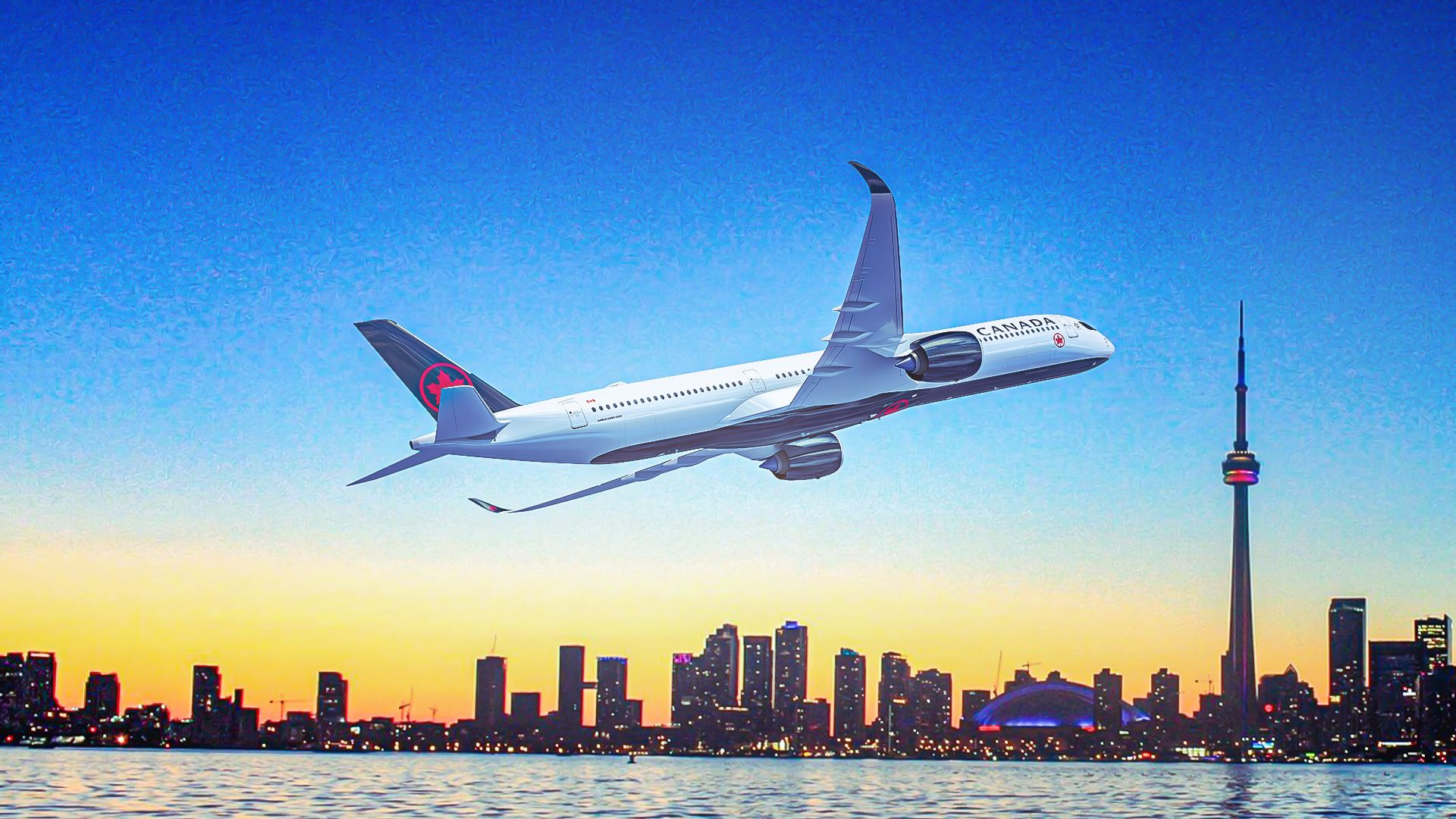
Air Canada has made a significant commitment to its future long-haul strategy by placing a firm order for eight Airbus A350-1000 aircraft. This decision, announced recently, marks a pivotal moment for the airline as it seeks to enhance its long-haul operations. The new widebody jets are expected to enter service starting in 2030, allowing Air Canada to strengthen its competitive position on long-distance routes while improving passenger experience and operational efficiency.
The Airbus A350-1000 is the largest variant of the A350 family. It is engineered as a long-range, fuel-efficient aircraft that employs advanced aerodynamics and modern materials. Features such as the Rolls-Royce Trent XWB-97 engines and a carbon-fiber-reinforced fuselage contribute to reduced weight, lower fuel consumption, and decreased emissions. The aircraft can fly approximately 10,300 miles (16,600 kilometers), enabling Air Canada to explore non-stop routes that were previously unfeasible.
Expanding Global Reach
Air Canada’s geographical positioning presents challenges, with its key hubs located far from many high-growth markets in regions such as Asia and Australia. The A350-1000’s extended range offers the airline the opportunity to establish direct flights to cities that would otherwise require multiple stopovers. Potential new routes include non-stop services from Toronto Pearson International Airport (YYZ) to Sydney Airport (SYD) and Mumbai Chhatrapati Shivaji Maharaj International Airport (BOM), as well as from Montreal Trudeau International Airport (YUL) to Singapore Changi Airport (SIN).
The introduction of non-stop services enhances the economic viability of these routes, benefiting both the airline and passengers. Eliminating stopovers reduces operational costs, simplifies scheduling, and provides a more appealing option for travelers.
Fuel Efficiency and Sustainability
Airbus has designed the A350-1000 to be substantially more fuel-efficient than previous widebody aircraft. It achieves approximately a 25% reduction in fuel burn and emissions compared to earlier generations, a crucial factor for airlines facing rising fuel costs. These efficiencies will help Air Canada maintain competitive margins on long-haul routes while simultaneously reducing its carbon footprint, aligning with growing sustainability expectations in the aviation industry.
Mark Galardo, Air Canada’s Executive Vice President and Chief Commercial Officer, emphasized the significance of this order, stating, “Air Canada’s continued global ambitions are solidified by the selection of the Airbus A350-1000, a natural next step in the evolution of our fleet.” He described the aircraft as pivotal in connecting the airline’s hubs and serving customers effectively on long-haul routes.
Benoit de Saint-Exupéry, Executive Vice President of Commercial Aircraft Sales at Airbus, echoed this sentiment, noting that Air Canada’s choice to incorporate the A350-1000 into its long-haul fleet underscores the aircraft’s advanced technology and operational efficiencies.
In addition to operational benefits, the A350-1000 promises an enhanced passenger experience. The cabin is designed to minimize noise and vibration, maintain lower cabin altitudes, and improve humidity levels, all of which contribute to reducing fatigue during long flights. Air Canada plans to introduce upgraded entertainment and connectivity systems onboard, ensuring a modern travel experience.
The decision to integrate the A350-1000 into Air Canada’s fleet represents a strategic fit as the airline transitions from older Boeing models like the Boeing 777-300ER and Airbus A330-300. The A350-1000 not only offers similar capacity but also greatly improved efficiency and operational flexibility.
Air Canada’s order signals a deepening relationship with Airbus, complementing its broader fleet strategy that includes other modern aircraft such as the Airbus A321XLR and A220-300. This diverse and contemporary fleet enables the airline to optimize its operations on various routes, enhancing overall revenue potential.
Sustainability remains a critical focus for Air Canada, and the A350-1000 aligns with industry goals for decarbonization. The aircraft’s capability to use up to 50% Sustainable Aviation Fuel (SAF) today, with a target of 100% SAF by 2030, positions Air Canada favorably as it navigates regulatory and market expectations.
As Air Canada prepares for the arrival of the Airbus A350-1000, the airline is poised to redefine its long-haul operations, responding to evolving market demands while enhancing passenger comfort and environmental responsibility.