US Limits Nuclear Intelligence Sharing with South Korea After Uranium Site Disclosure
The United States has sharply curtailed the amount of nuclear-related intelligence shared with South Korea following a public disclosure of North Korea’s uranium enrichment site by a South Korean lawmaker, sources report. This development has sparked fresh tensions in the decades-old U.S.–South Korea alliance amid ongoing security concerns over North Korea’s nuclear program.
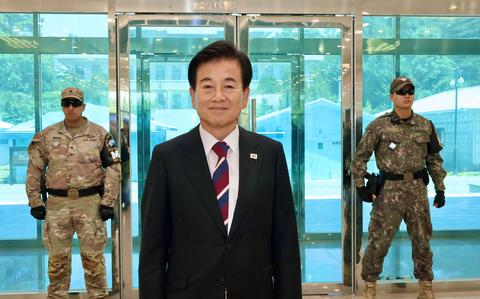
According to multiple reports including Yonhap News, the U.S. response came after South Korean Unification Minister Chung Dongyoung referenced the previously classified North Korean uranium enrichment facility located in the Kusong region during a National Assembly committee meeting on March 6. This apparent breach of a “joint secret” between the allies triggered U.S. officials to reduce South Korea’s intelligence access, escalating diplomatic strain.
Despite the cutback, South Korean military sources told Yonhap the immediate intelligence-gathering capabilities of both allies remain intact, with routine real-time coordination still functioning during North Korea’s recent missile tests in March and April. The U.S. military presence in Korea declined to comment on the issue, maintaining silence on both confirmation and denial of these measures.
Official Responses Highlight Alliance Sensitivity
Chung Dongyoung denied leaking classified information, insisting his remarks relied on already public sources. During a news briefing, he emphasized the controversy is a mischaracterization of his comments as a spill of secrets.
“I did not disclose any classified material, only repeated information available to the public,” Chung said, positioning the incident as political friction rather than an intelligence breach.
South Korea’s Ministry of National Defense spokeswoman Chung Binna refused to confirm the intelligence-sharing restrictions, underscoring that public disclosure of such information could undermine national security and the crucial U.S.–South Korea military alliance.
“Communication between Seoul and Washington remains close and frequent on major issues, and military readiness information sharing is functioning properly,” Chung Binna stated, warning against revealing specifics.
Meanwhile, South Korean National Security Adviser Wi Sung-lac confirmed active dialogue with U.S. officials to address the sensitive issue but refrained from confirming the intelligence restrictions, citing their classified nature.
Allegations Spark Diplomatic Disputes and Political Responses
Rep. Sung Il-jong, chair of the National Defense Committee, publicly stated on April 21 that the incident has damaged the U.S.-South Korea alliance, alleging that U.S. Forces Korea commander Gen. Xavier Brunson personally expressed protest to South Korean Defense Minister Ahn Gyu-back. However, a National Defense Ministry spokesperson denied these claims as entirely false.
South Korean President Lee Jae Myung defended Unification Minister Chung in a social media post on April 20, reinforcing that the disputed information about North Korea’s Kusong uranium facility was widely known already, aiming to calm domestic tensions.
Why This Matters Now
The incident reveals the fragile balance in sharing sensitive security intelligence between key U.S. allies amid escalating threats from North Korea’s expanding nuclear ambitions. With North Korea visibly increasing missile tests and nuclear developments in recent months, seamless intelligence cooperation is critical for regional and global security.
For the U.S., maintaining open channels with South Korea is vital to monitoring North Korea’s capabilities and reassuring the alliance. For South Korea, the situation raises questions around political communication’s impact on deep military cooperation, especially when domestic figures discuss sensitive subjects publicly.
As this diplomatic friction unfolds, Colorado and U.S. readers should note the close coordination still active between Washington and Seoul, reflecting ongoing vigilance against North Korean provocations. However, the episode stresses how fragile the intelligence-sharing system can be when trust is strained.
What to Watch Next
Both countries confirm they are working hard to resolve the dispute quietly to avoid further alliance damage. Observers should watch for statements from U.S. officials or President Lee’s administration clarifying future intelligence protocols. Any escalation or additional disclosures could further disrupt the critical U.S.–South Korea defense collaboration, with potential consequences for U.S. strategic interests in the Indo-Pacific.
For now, uncertainty surrounds South Korea’s access to the most sensitive U.S. intelligence on North Korea, even as joint military readiness remains effective amid ongoing North Korean missile activity. The situation remains fluid, making it a key story for U.S. and international security watchers.