RFK Jr.’s Assault on Vaccine Program Sparks Political Crisis for Republicans
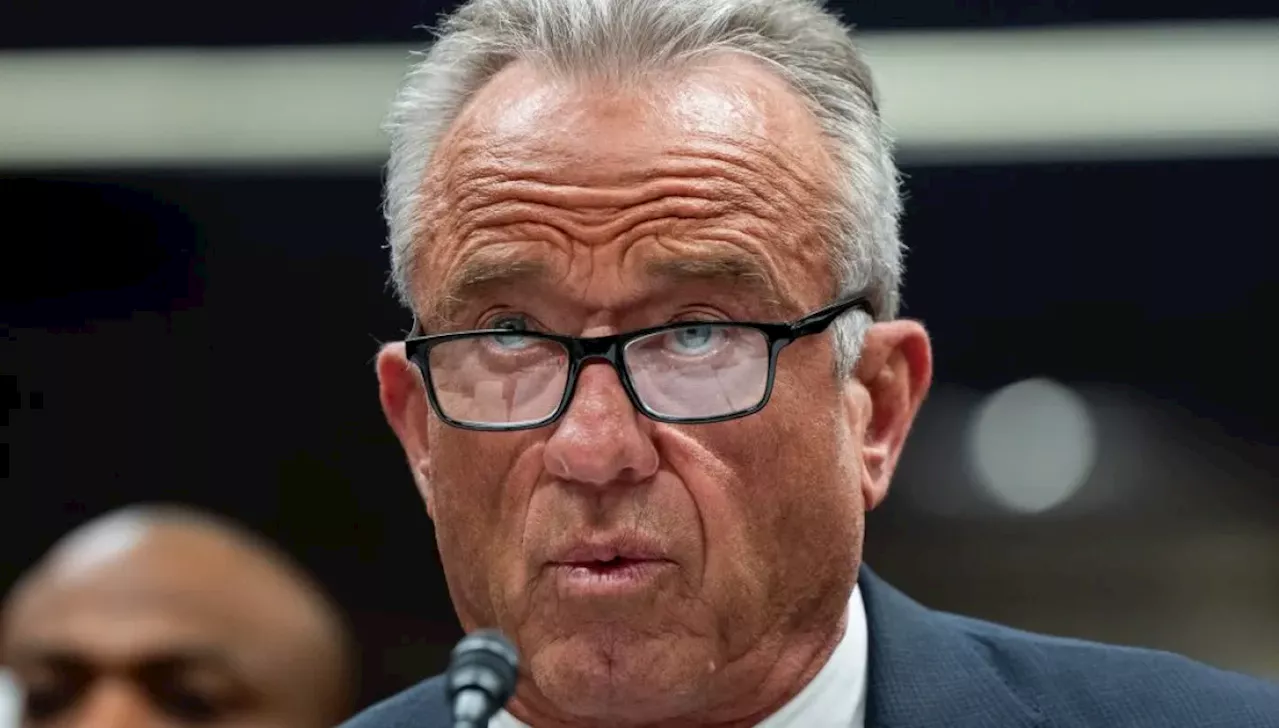
Robert F. Kennedy Jr.’s aggressive agenda targeting the Vaccine Injury Compensation Program (VICP) is rapidly emerging as a political nightmare for Republicans just months before the crucial midterm elections. His moves to dismantle a program that has paid out more than $5 billion to vaccine injury victims threaten to alienate moderate and working-class voters, risking Democrat gains that could flip control of Congress.
Operating under the “Make America Healthy Again” banner, Kennedy’s efforts to overhaul the National Vaccine Injury Compensation Program and disrupt vaccine access have ignited fierce debate within the Health and Human Services (HHS) Department. Despite a federal judge deeming many of Kennedy’s appointees “distinctly unqualified” and blocking their appointments in March, HHS continues to circumvent the ruling by issuing new policies to advance his controversial agenda.
Chaos at HHS Risks Vaccine Access and VICP Stability
The Vaccine Injury Compensation Program, established to balance regulatory predictability for manufacturers and compensation for legitimate injury claims, is considered a bedrock of public health and innovation. VICP’s stability helps maintain affordable vaccine access — particularly for childhood immunizations covered under the Affordable Care Act (ACA), which mandates insurer coverage of vaccines recommended by the Advisory Committee on Immunization Practices (ACIP).
Kennedy’s initiatives threaten to strip ACIP vaccine recommendations, potentially ending this guarantee and exposing working-class families to expensive out-of-pocket vaccine costs for the first time. His push to undermine the vaccine supply chain itself could spark shortages and higher prices, conditions similar to those that fueled populist voter shifts toward Trump in previous elections.
Public Backlash Growing As Election Nears
Polls reveal sharp voter opposition across the political spectrum—not just among liberals but also moderates and libertarians critical to Republican success. A recent survey showed candidates supporting the elimination of childhood vaccine protections suffer a significant 12-point net unfavorability margin at the ballot box. This mounting unpopularity is particularly dangerous with control of Congress hinging on swing voters in key districts nationwide.
Political analysts warn the Trump administration risks undermining its own agenda if it does not pull back on endorsing these divisive health policies, which experts argue are “electorally poisonous.” If voters feel their healthcare freedoms and economic security are eroding, the pendulum could swing decisively back toward Democrats, ending hopes for advancing the administration’s broader legislative goals after January 2027.
Next Steps and What to Watch
The ongoing struggle over VICP and vaccine policy is set to dominate public health debates in the critical months ahead. Stakeholders will monitor how HHS balances judicial rulings against Kennedy’s agenda, and whether Republican politicians recalibrate messaging to safeguard voter support.
If Kennedy succeeds, a flood of new lawsuits and collapsing vaccine protections could redefine the healthcare landscape, impacting millions of Americans’ everyday lives—including in Colorado, where vaccine access and affordability remain key concerns among families and workers.
“Destroying VICP will close off justice for future vaccine injury victims and make healthcare less affordable for all,” a senior public health official warned.
As the midterms approach, the Trump administration faces an urgent reckoning: continue backing these controversial health policies and risk losing Congress — or halt the push and protect a legislative path forward.