NASA’s $20 Billion Lunar Base Plan Signals New Era for Space Exploration
NASA has revealed groundbreaking plans to build a $20 billion lunar base, marking a bold push into deep space infrastructure. This ambitious project includes developing a nuclear-powered interplanetary spacecraft aimed at extending human reach beyond the moon.
The agency’s vision comes as preparations intensify for the upcoming Artemis II mission, which will test critical systems and pave the way for sustained human presence on the lunar surface. The base is designed to serve as a permanent outpost, supporting scientific research and acting as a steppingstone for future Mars exploration.
Exclusive Insight Into Chernobyl’s Nuclear Disaster Reveals Fatal Errors
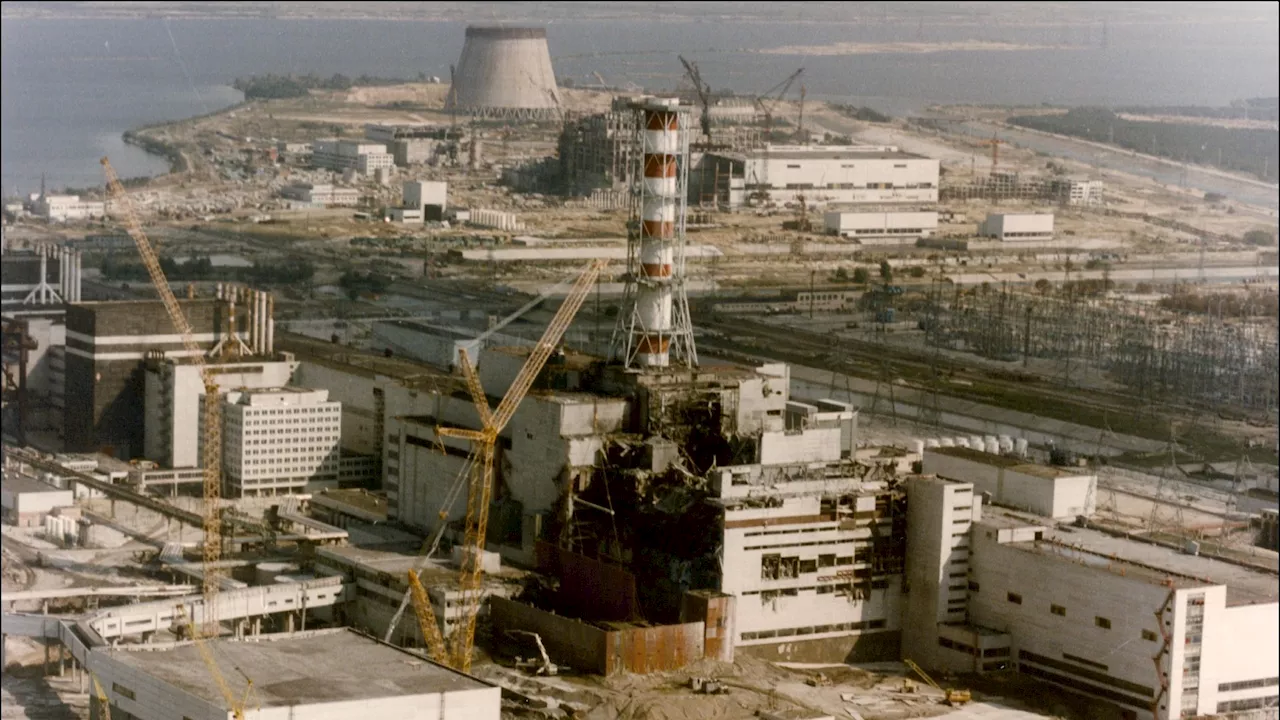
Meanwhile, fresh accounts of the 1986 Chernobyl disaster shed light on the catastrophic chain of mistakes behind the worst nuclear accident in history. Operators at the Chernobyl Nuclear Power Plant were conducting a flawed safety test simulating a power outage when a series of protocol breaches triggered a fatal power surge.
Delegated by the Kyiv-based grid operator, the test demanded a partial shutdown that prevented full reactor control. An inexperienced night crew failed to stabilize the reactor, ultimately withdrawing nearly all control rods in a desperate and disastrous attempt to regain power control. The rods jammed during the final effort to stop the runaway reaction, sparking massive explosions and releasing lethal radiation across Europe.
The molten core debris known as “The Elephant’s Foot” remains one of the most radioactive and dangerous materials on Earth within the exclusion zone. Although Soviet authorities initially tried to conceal the event, radiation spikes detected throughout Europe exposed the disaster. Immediate evacuations saved countless lives, yet the long-term health and environmental effects continue to unfold decades later.
Experts emphasize the disaster’s lasting legacy as Ukraine’s nuclear exclusion zone has unexpectedly transformed into a rare wildlife sanctuary, illustrating nature’s resilience amid human tragedy.
From Earthly Catastrophes to Cosmic Frontiers
Beyond Chernobyl, scientific curiosities persist across the US and around the globe. Among them, polar bears are defying odds by gaining weight even as their species faces endangerment, and researchers report puzzling faster-than-light darkness phenomena challenging our understanding of physics.
Closer to home, Colorado residents remain alert as the US experiences unusual “fireball” meteor sightings, including a cannonball-sized meteorite crashing through a Texas home, stirring vivid memories of rare celestial events.
Why This Matters to Colorado and the US
NASA’s investment could boost aerospace innovation nationwide, potentially benefiting Colorado’s thriving space industry and economic landscape. Meanwhile, Chernobyl’s haunting lessons underline the critical importance of nuclear safety protocols at US facilities and spotlight risks that remain relevant today amid global geopolitical tensions.
With space exploration accelerating and environmental risks mounting, Americans face pivotal scientific frontiers requiring urgent attention and robust response—both on Earth and beyond.
What’s Next?
Watch for developments on NASA’s lunar base blueprint and Artemis II’s imminent launch, which promise to reshape humanity’s cosmic ambitions. Meanwhile, renewed scientific scrutiny of Chernobyl’s fallout will guide nuclear safety and disaster preparedness worldwide.
“Understanding Chernobyl’s failure is vital to preventing future nuclear catastrophes while propelling human presence beyond Earth,” said a leading nuclear physicist.
Stay tuned as The Colorado Daily tracks these breaking stories impacting science, safety, and the future of human exploration.