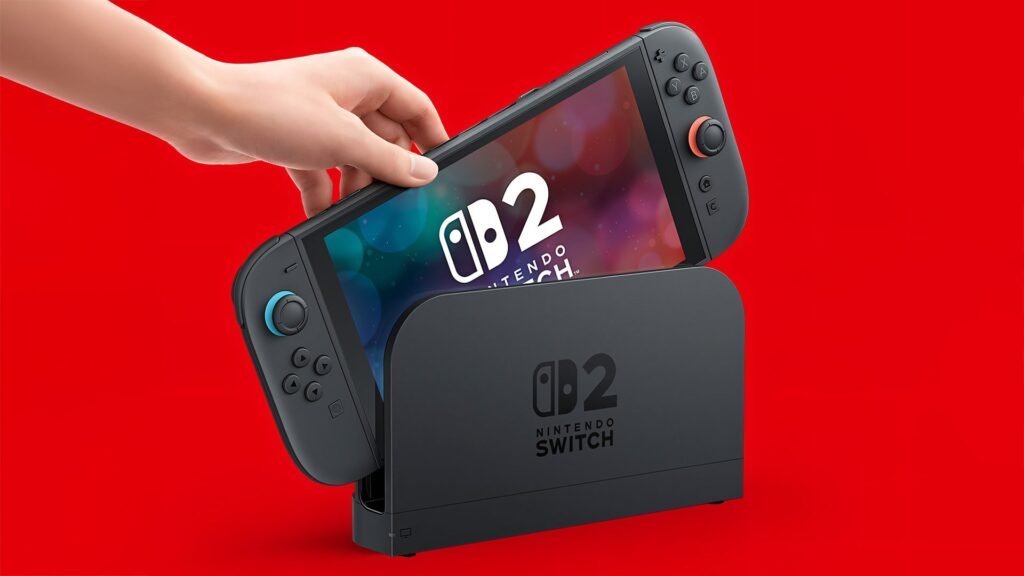
Nintendo is grappling with significant challenges as rising prices for RAM and flash memory threaten the profitability of the company. The gaming giant, known for its iconic franchises, is facing increased costs for the components essential to its latest console, the Switch 2. According to a report from Bloomberg, these escalating expenses have already led to a notable drop in Nintendo’s share price, which fell by as much as 4.7 percent in one day.
The company’s recent performance had been promising, with Nintendo raising its sales forecasts following the launch of the Switch 2. However, the memory crisis, intensified by the demand generated by the AI boom, is casting a shadow over this optimism. In just one week, Nintendo has lost nearly $14 billion in market value, with shares declining almost 10 percent during that time.
One of the most pressing issues is the dramatic increase in component prices. The 12 gigabytes of RAM in the Switch 2 has seen a price hike of approximately 41 percent in recent weeks, while flash memory costs have risen by 8 percent. Market analysts suggest that as these costs escalate, Nintendo’s profit margins are likely to narrow, putting the company in a precarious position.
Should Nintendo opt to increase the retail price of the Switch 2 to offset rising costs, it risks diminishing the console’s appeal to potential buyers. Higher prices could lead to decreased demand, further complicating the company’s recovery from this financial setback. The situation is exacerbated by the rising costs of memory cards, which are necessary for the Switch 2 due to its limited internal storage capacity. Premium memory cards, which offer the speed required for optimal performance, are also becoming more expensive, forcing consumers to shoulder these additional costs.
In response to the mounting pressures, Nintendo is exploring unconventional strategies to stimulate sales. Just months after the launch of the Switch 2, the company has begun offering bundles that include the popular game Mario Kart World at reduced prices, effectively providing the game for free with the purchase of the console. This approach is aimed at increasing hardware sales quickly, allowing Nintendo to generate revenue from games and services before the anticipated slowdown in console sales due to the rising costs of components.
As Nintendo navigates this turbulent landscape, the future of its current product lineup remains uncertain. Industry experts are closely monitoring how the company adapts to these challenges, particularly as the memory crisis continues to unfold. The gaming giant’s ability to maintain its competitive edge will depend on its response to these evolving market conditions and its strategies to mitigate the impact of rising costs.