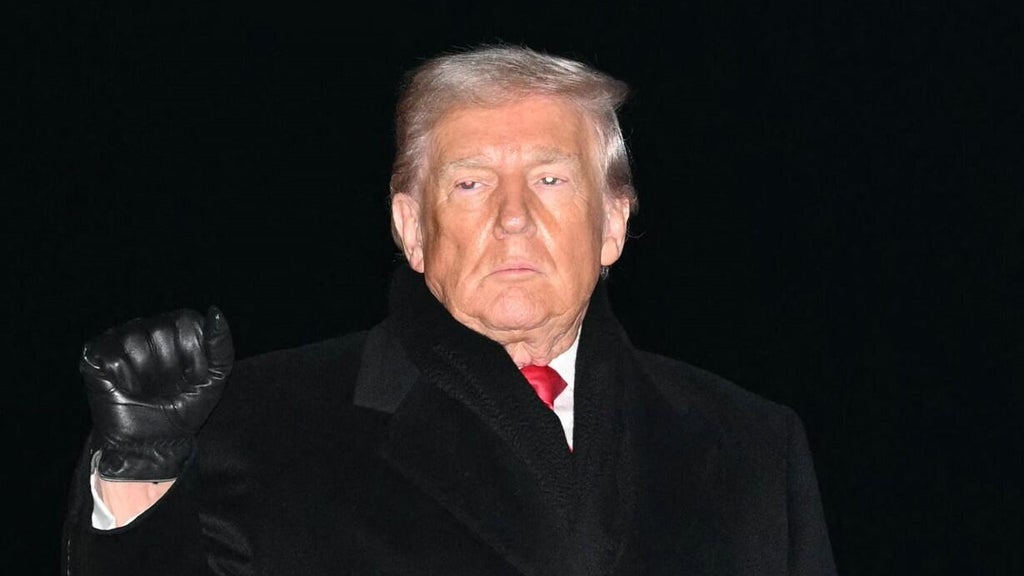
Donald Trump is set to address the Davos World Economic Forum on January 22-25, 2024, where he will discuss various global economic issues. This appearance comes amidst growing discontent among America’s allies regarding his controversial proposal to acquire Greenland.
The annual forum, a gathering of influential leaders, CEOs, and policymakers, serves as a platform for dialogue on pressing economic challenges. Trump’s participation signals his intention to maintain a strong presence on the international stage, despite the backlash against his Greenland initiative.
Responses from key European allies reflect significant disapproval. Countries such as Denmark, which administers Greenland, have firmly rejected Trump’s overtures, emphasizing the territory’s self-governance and highlighting its strategic importance within the Arctic region. Danish Prime Minister Mette Frederiksen previously stated that Greenland is not for sale, reiterating the sentiment among allies that such discussions are unwelcome.
Trump’s administration has framed the Greenland acquisition as a strategic move, suggesting it could enhance U.S. influence in the Arctic and provide economic benefits. However, critics argue that this approach undermines diplomatic relations and raises concerns about colonialism in modern geopolitics.
During his Davos address, Trump is expected to outline his vision for global economic cooperation while addressing the tensions surrounding his foreign policy decisions. His remarks may also touch upon the broader implications of U.S. leadership in international trade and environmental policies, particularly in the context of climate change, which is a significant issue for many participating nations.
The World Economic Forum has been a stage for such high-stakes discussions, where leaders often seek to balance national interests with global obligations. Trump’s statements could be pivotal in shaping perceptions of U.S. policy direction under his administration, especially as he seeks to garner support from global investors and business leaders.
As the conference approaches, the focus will be on how Trump’s message resonates with allies and adversaries alike, and whether it can mitigate the growing rifts in international relations. The reactions to his proposed acquisition of Greenland may also influence ongoing discussions about Arctic resource management and climate initiatives.
In summary, Trump’s forthcoming address at the Davos World Economic Forum serves not only as an opportunity to engage with global leaders but also as a crucial moment to address the mounting criticisms of his administration’s foreign policy strategies, particularly regarding Greenland. As the international community watches closely, the implications of his remarks could extend far beyond the conference halls of Davos.