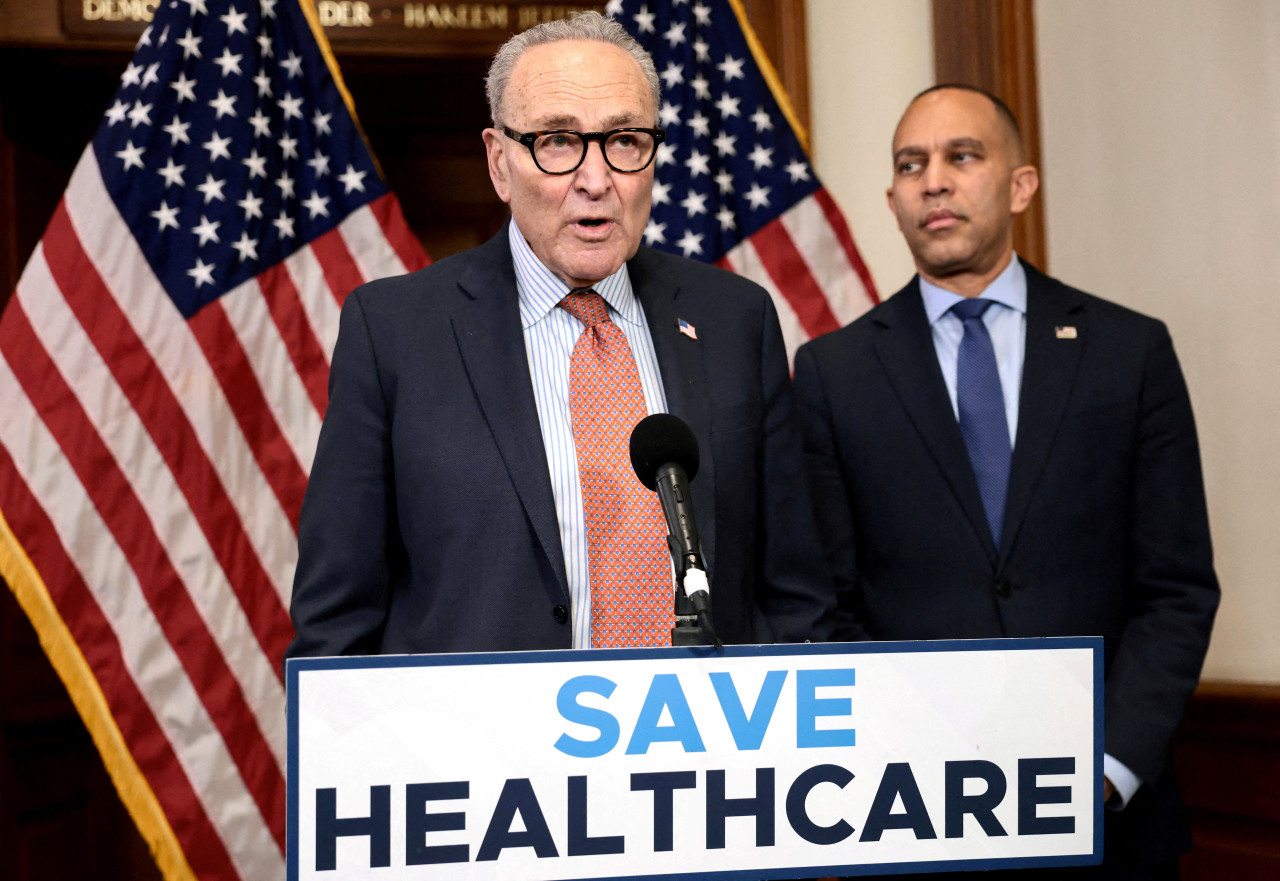
The United States Senate is set to vote on competing healthcare proposals that reflect contrasting visions for the nation’s health policy. The Republican plan aims to establish Health Savings Accounts, while the Democratic proposal seeks to extend Affordable Care Act (ACA) subsidies for an additional three years. This critical vote, anticipated to take place in July 2024, has significant implications for millions of Americans relying on these healthcare provisions.
The GOP’s proposal introduces a framework for individual health accounts, essentially allowing individuals to save pre-tax dollars for medical expenses. This plan is intended to empower consumers by giving them more control over their healthcare spending. Proponents argue that the initiative will lead to increased competition among providers and drive down costs, benefiting both patients and taxpayers.
In contrast, the Democratic measure focuses on maintaining and expanding existing ACA subsidies, which currently assist approximately 13 million Americans in affording health insurance. Under this proposal, the subsidies would continue to help low- and middle-income families, ensuring that premiums remain manageable. Supporters emphasize that extending these subsidies is vital for preserving access to healthcare, particularly in the wake of the ongoing challenges posed by the COVID-19 pandemic.
Both proposals have sparked intense debate among lawmakers and constituents alike. Opponents of the GOP plan argue that while it promotes personal savings, it could disproportionately benefit wealthier individuals who can afford to contribute more to their health accounts. They assert that this approach may ultimately undermine the social safety net that the ACA provides for vulnerable populations.
Conversely, critics of the Democratic proposal contend that extending subsidies could lead to increased government spending, potentially resulting in higher taxes or budget deficits. They argue for a more market-driven approach to healthcare, advocating for reforms that reduce regulatory burdens and encourage innovation within the industry.
As the Senate prepares for this pivotal vote, both parties are mobilizing their bases to influence the outcome. The discussions surrounding these proposals reflect a broader national conversation about the future of American healthcare.
In addition to immediate impacts, the decisions made in the Senate could set the stage for future healthcare legislation leading into the next election cycle. With public opinion divided, the stakes are high as lawmakers seek to navigate this critical issue that affects the lives of millions.
The outcome of the vote will be closely monitored, not only for its immediate effects on healthcare access and affordability but also for its broader implications on the political landscape as the country heads towards the elections.