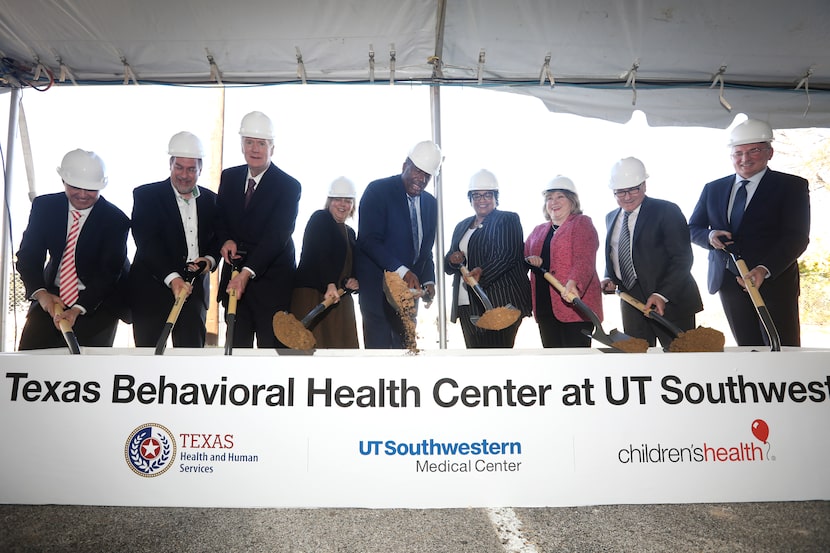
UT Southwestern Medical Center (UTSW) is once again in contention to manage the new psychiatric hospital in Dallas, Texas. Following a competitive bidding process initiated by state leaders, UTSW has emerged as the most suitable partner for this critical healthcare project. The urgency to operationalize the facility cannot be overstated, as it aims to provide much-needed psychiatric beds to the community.
Earlier this year, the state unexpectedly abandoned the initial plan to have UTSW operate the hospital, which was to be funded and overseen by state authorities. Instead, the state opened the bidding to external operators. In 2021, lawmakers allocated $384 million for the construction and operation of the Dallas hospital, with an additional $261 million contributed by Children’s Health for the pediatric wing.
The state’s decision to reassess UTSW’s bed-rate projections, which were higher than anticipated, prompted a reevaluation of potential operators. However, the recent bid submissions have reaffirmed UTSW’s position as the most capable operator for the entire facility. The deadline for proposals was set for November 18, attracting three applicants. While Recovery Solutions expressed interest in managing the adult wing of the hospital, it indicated a preference for partial operation. Meanwhile, Desiree Williams Consulting applied solely as a subcontractor, rather than seeking to oversee the facility.
As the construction at the hospital site located at Harry Hines Boulevard and Medical Center Parkway approaches completion, state officials have indicated that staffing could begin as early as January. The adult wing is nearing readiness, with the children’s wing expected to be completed in the spring. Once a contract is awarded and funding is allocated, UTSW estimates it will require approximately eight months to fully ramp up operations and start admitting patients.
UTSW’s involvement in the facility’s design and planning phases places it in a strong position to manage the hospital effectively. While reconsidering alternative operators could be beneficial for the long-term success of the facility, no viable options have surfaced thus far. The competitive bid process has served its purpose, confirming that UTSW remains the optimal choice.
With the facility nearing readiness and existing long waitlists for psychiatric beds, the urgency to finalize the selection process is clear. The community needs these services as soon as possible, and UTSW is well-equipped to make that happen, ensuring that the new psychiatric hospital can fulfill its mission of providing essential care.