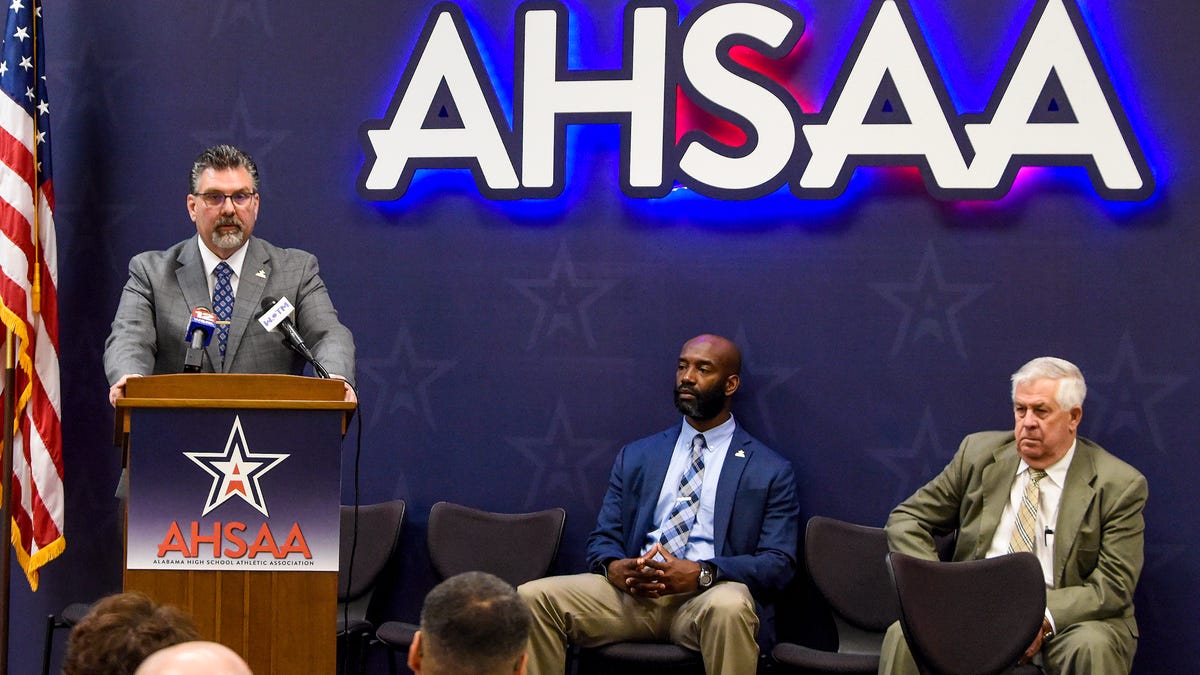
The Alabama High School Athletic Association (AHSAA) has decided to separate championships for private and public schools beginning with the 2026-28 reclassification. This significant move, aimed at addressing competitive balance, has drawn varied responses from private school leaders across the state.
Many private school representatives have expressed concerns that the split might lead to diminished competition and reduced visibility for their athletes. According to Alabama Christian Academy Athletic Director David Pugh, the change could undermine the spirit of high school sports, which thrives on competition between diverse school types. He emphasized, “We should strive to compete against everyone, as it promotes growth and development in our programs.”
Private schools argue that the AHSAA’s decision stems from ongoing discussions about fair play and equitable opportunities. The reclassification will create distinct divisions for championships, which some believe may foster a less competitive environment. Others, however, see the split as an opportunity to tailor championship formats that reflect the unique challenges faced by each group.
The AHSAA’s announcement comes after years of debate surrounding the implications of combining public and private school athletes in championship events. According to AHSAA Executive Director Steve Savarese, the association aims to create a level playing field. He stated, “We believe this decision will enhance the overall experience for student-athletes, ensuring they can compete at their highest potential.”
Many private schools have voiced apprehension about potential impacts on funding and recruitment. They fear that separating championships could lead to a decline in interest and investment from local communities. St. Paul’s Episcopal School Athletic Director Doug Dyer remarked, “We worry that this segregation will alienate fans and diminish the support we receive from our communities.”
While the AHSAA’s decision is set for implementation during the next reclassification cycle, it remains unclear how it will affect the dynamics of high school sports in Alabama. The split is expected to influence recruitment strategies among schools, potentially leading to a shift in how student-athletes choose their schools.
Private school leaders are now tasked with reassessing their programs and strategies in light of these upcoming changes. Some have begun discussions about forming alliances or developing new competitive frameworks that maintain high standards while addressing the unique needs of their student-athletes.
As the 2026-28 reclassification approaches, the conversation surrounding this championship split is likely to continue, with stakeholders on both sides weighing the pros and cons. The AHSAA will host forums and discussions to gather further input from school representatives, aiming to ensure that all voices are heard as the organization moves forward with this pivotal decision.
The impact of this split may extend beyond the playing fields, influencing community engagement and the overall perception of high school athletics in Alabama. The ongoing dialogue will be crucial as schools navigate the potential challenges and opportunities that lie ahead in this new era of high school sports.