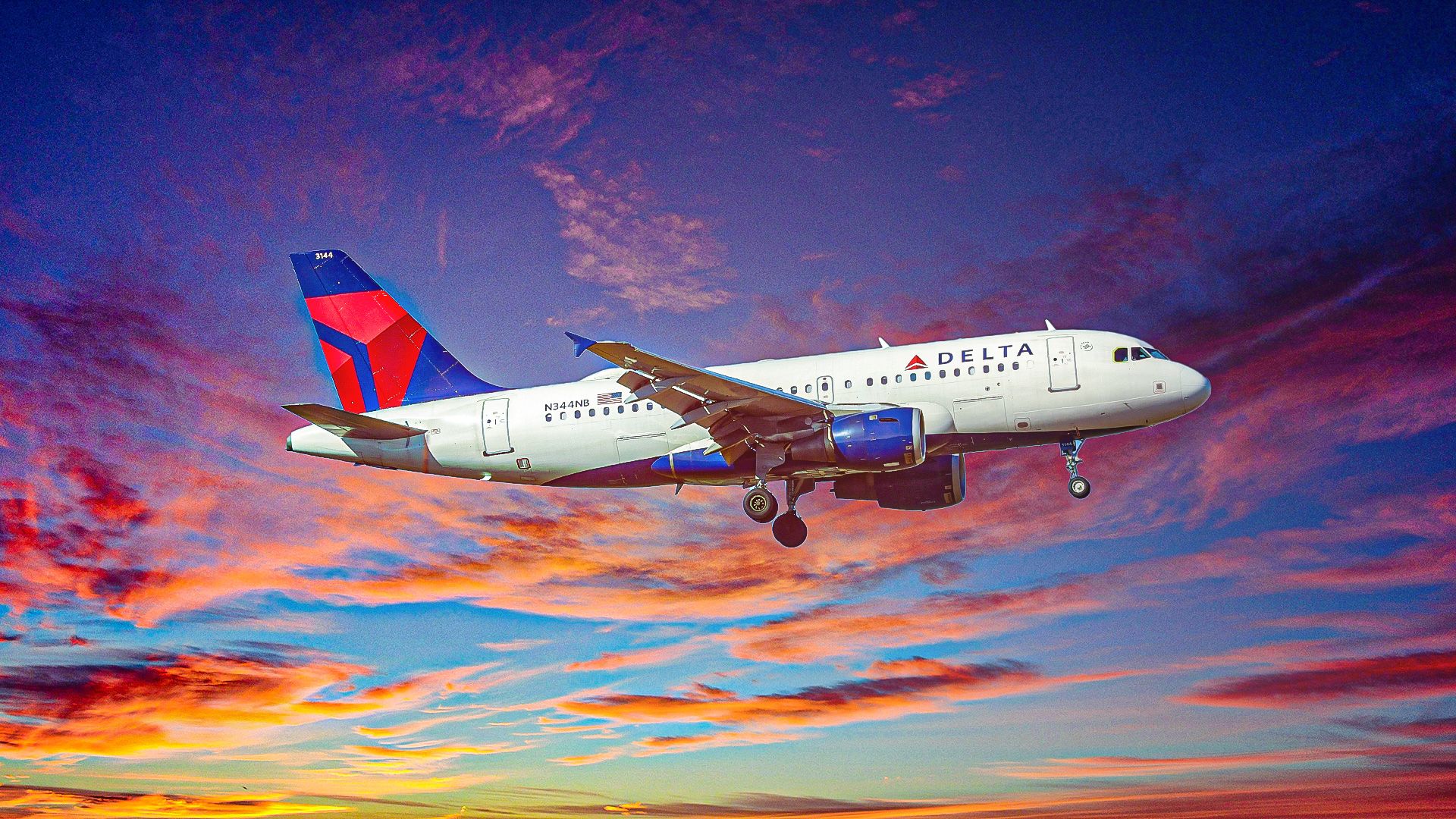
Travelers at Hartsfield-Jackson Atlanta International Airport (ATL) experienced severe disruptions this weekend, with reports of passengers stuck on Delta Air Lines flights for as long as 11 hours. The chaos unfolded due to extreme weather conditions, including hailstorms and strong winds, which prompted the evacuation of the airport’s air traffic control tower. This incident has raised concerns over potential fines for Delta, as the airline faces scrutiny over its handling of the situation.
The National Weather Service had forecasted thunderstorms for Atlanta, but conditions quickly deteriorated to include nickel-sized hail and lightning. These severe weather events resulted in significant operational challenges at ATL, causing the Federal Aviation Administration (FAA) to issue a ground stop. Delta’s operations were further impacted as the airline struggled to manage the aftermath of the storm, with over 150 flights cancelled and approximately 1,000 flights delayed, according to FlightAware.
Passengers reported distressing experiences, with some stranded on the tarmac for hours. One Delta flight arrived at 11:30 PM, but passengers were unable to deplane until 4:00 AM the following morning. Many travelers expressed frustration over being stuck on aircraft, with one passenger stating they were trapped at the gate for over five hours before their flight was ultimately cancelled.
As the situation escalated, Delta Air Lines staff faced overwhelming challenges. A shortage of ramp workers and gate agents hindered the movement of aircraft, leading to reports of passengers sleeping on the floor of the airport. Amidst the turmoil, Delta requested a ground delay from the FAA, which affected nearly 200 flights departing from ATL and left many travelers in a state of confusion and anger.
In response to the delays, Delta issued a statement acknowledging the unprecedented weather conditions and the subsequent impact on operations. The airline emphasized that the safety of its customers and crew remains its top priority. Delta stated, “We apologize to our customers, as we know that a delay on the tarmac waiting for an arrival gate is frustrating. Delta people worked through severe weather challenges in ATL that drove gating constraints overnight.”
The situation has serious implications for Delta, which may face fines amounting to millions of dollars. According to U.S. law, airlines are required to have contingency plans for tarmac delays. For domestic flights, passengers must be allowed to disembark after three hours, while international flights have a four-hour limit, barring safety concerns.
Delta, a major airline operating approximately 5,400 flights daily and serving 325 destinations across 52 countries, has faced scrutiny before regarding its operational responses. As one of the oldest airlines in the United States, Delta’s management of this incident will likely influence public perception and regulatory oversight moving forward.
As travelers continue to navigate the fallout from this weekend’s disruptions, the incident serves as a reminder of the challenges airlines face during severe weather events and the need for effective contingency plans to ensure passenger safety and satisfaction.