URGENT UPDATE: As users seek alternatives to Microsoft Loop, a wave of innovative open-source applications is capturing attention, offering enhanced privacy and customization options. With concerns over corporate control and paywalls, these tools are gaining traction among professionals and students alike.
Just announced: A variety of open-source apps are now available, each providing similar functionalities to Loop, enabling users to take control of their data and enhance their productivity. These apps are not only free, but they also cater to those who prioritize privacy and community-driven development.
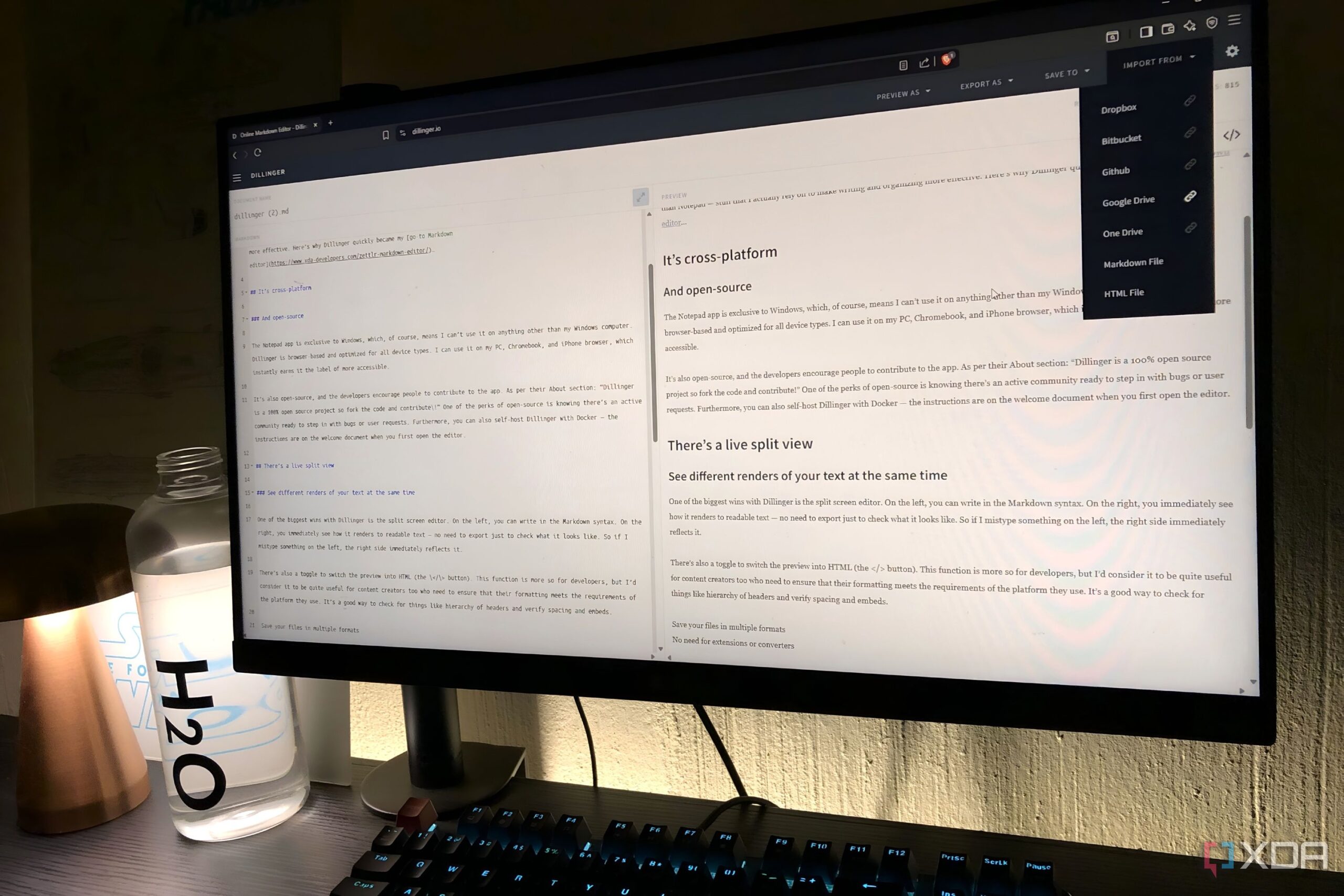
Dillinger emerges as a top contender, featuring a fully functional, browser-based interface that allows users to edit Markdown and plain text seamlessly. Users can take advantage of its live split-view capability, which displays Markdown syntax alongside the rendered output. Dillinger supports sync options with platforms like Dropbox and Google Drive, making it a versatile choice.
Meanwhile, Simplenote offers a minimalist experience, allowing users to create and manage notes effortlessly. This cross-platform application ensures accessibility, with features such as tags and global search enhancing organization, despite the absence of folder structuring.
For those in need of more extensive project management features, AFFiNE stands out with its combination of documents, block-based notes, and real-time collaboration. This app is particularly appealing to users seeking a structure similar to Loop’s Components function, while also allowing for greater freedom in organizing content.
Additionally, Docmost caters to businesses looking for a collaborative wiki and documentation solution. Its clean interface supports efficient drafting and organization, featuring a block-based rich text editor and the ability to mention teammates in documents, fostering collaboration and efficiency in shared projects.
With these tools now available, professionals can navigate away from the limitations of corporate applications. The shift towards these open-source alternatives not only empowers users with control over their data but also promotes a more personalized and effective approach to note-taking and project management.
What’s next? Users are encouraged to explore these alternatives immediately to enhance their productivity and ensure their data remains secure and accessible. As the demand for privacy-focused solutions grows, these open-source tools are proving to be indispensable in the modern workspace.
Stay tuned for more updates on the evolving landscape of productivity applications as users continue to pivot away from traditional software giants.