Car maintenance can often seem complex, whether one chooses to handle it personally or rely on a professional service. Tasks like changing the oil require an understanding of the correct oil types and filters, while more intricate jobs, such as transmission fluid changes or timing belt replacements, demand even greater attention to detail. By implementing effective strategies, vehicle owners can save both time and money, ensuring that maintenance becomes a more efficient process.
Streamlining Your Maintenance Routine
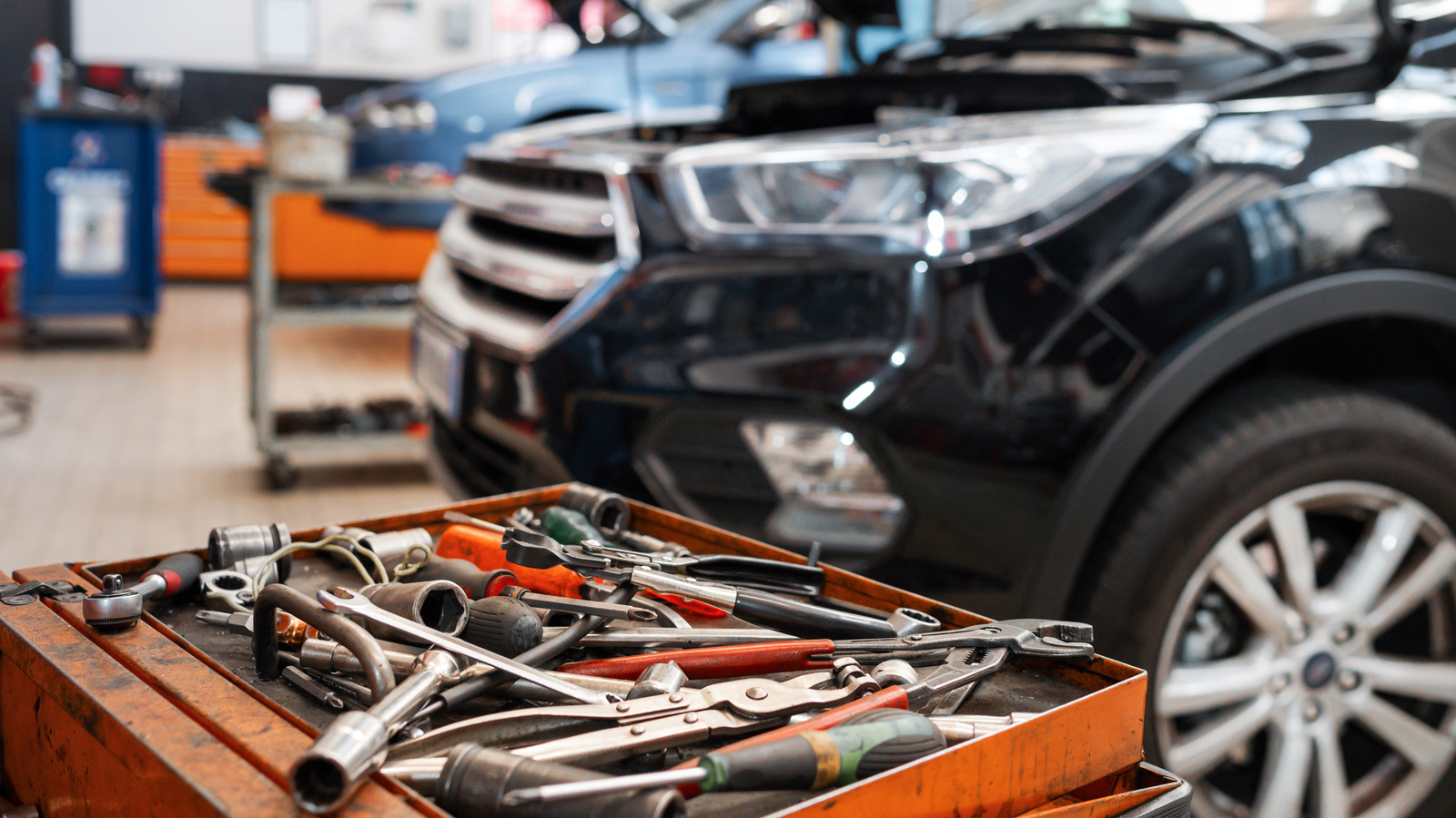
One foundational approach to making car maintenance more effective is to organize tools and supplies before starting any task. For example, if you intend to change your oil, having all necessary materials accessible beforehand is crucial. Imagine beginning the job only to discover that you lack sufficient oil to complete the task. Such oversights waste both time and potentially disrupt others if using shared facilities.
Proper storage and regular inspection of tools also play a significant role. Taking time to clean and organize equipment ensures that everything is in good condition and readily available for use. This simple act can drastically reduce the time spent searching for tools during a maintenance project.
Creating and adhering to a comprehensive checklist can further enhance efficiency. This allows for confirmation that each task is completed correctly without having to constantly remember what comes next. For instance, when planning an oil change, documenting each step—from lifting the vehicle to checking for leaks—ensures tasks are not overlooked. A clear checklist can also be beneficial for more complex jobs, allowing for meticulous tracking of specific steps.
Maximizing Efficiency During Maintenance
When performing maintenance that requires jacking up the vehicle, consider combining tasks to minimize the number of times you lift the car. For example, while changing the oil, it is an opportune time to inspect hoses, rotate tires, and check alignment. These tasks often necessitate the same setup, allowing for time-efficient execution.
Specialized vehicles, such as certain models of BMW and Audi, may have components that are difficult to access. For instance, timing chains positioned at the back of the engine can complicate repairs. When undertaking such significant work, it is wise to address other related maintenance tasks simultaneously, such as servicing the transmission or replacing the clutch.
If using a professional service, inquire about additional necessary repairs while the vehicle is already in the shop. Understanding what may be addressed during a job can save time and money. According to the 2025 PartsTech Report, nearly half of repair shops charge between $120 and $159 per hour for labor. Being proactive in discussing potential tasks can lead to significant savings.
Additionally, documenting any symptoms of car issues before visiting a mechanic can help expedite the diagnostic process. For instance, if you notice peculiar noises or performance changes, noting these down can provide essential context for your mechanic, ultimately saving billable hours.
Investing in an OBD-II reader can also prove beneficial. This device allows vehicle owners to scan for error codes, potentially identifying problems before they escalate. Taking the time to observe your vehicle’s behavior during a test drive can reveal issues that may not be apparent during stationary inspections.
Preparation is key when planning maintenance, whether personally or through a professional service. Ensure that the vehicle is clean and parked on a level surface, and consider laying down protective mats to keep the workspace tidy. When communicating with a mechanic, avoid vague statements like “just do whatever it needs.” Instead, be specific about your concerns to prevent unexpected costs.
In conclusion, implementing these strategies can significantly enhance the efficiency of car maintenance. By taking time to prepare and organize, vehicle owners can optimize their maintenance routines, ultimately saving time and money while ensuring their vehicles remain in peak condition.