Concerns are mounting among Bend residents regarding the effectiveness of the city’s public transportation system and the potential economic implications of a proposed wildlife funding bill. These issues have sparked significant discussion among local stakeholders, highlighting differing perspectives on transportation solutions and environmental sustainability.
Public Transport Critique in Bend
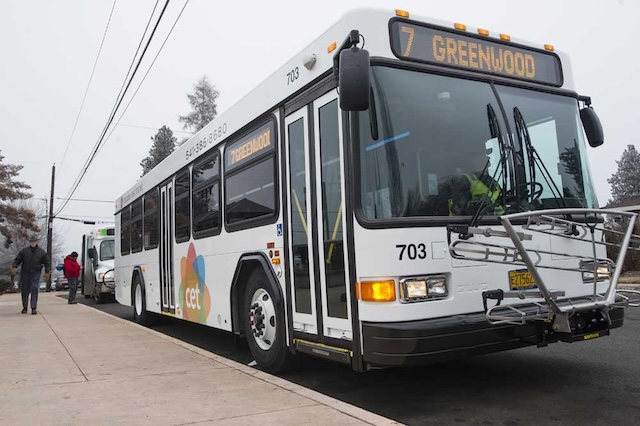
In a recent letter to the Bulletin, local resident Jerry Marcyk criticized the city’s decision to prioritize bus services over more modern transportation solutions. Marcyk, who resides in Northwest Crossing, observed that the full-sized bus passing his home is often nearly empty, contradicting the city’s claims of reducing carbon footprints and serving underprivileged communities. He argued that the current public transport model is outdated, noting that the city has invested tens of thousands of dollars each year to operate a largely underutilized bus service.
Marcyk suggested that Bend’s approach mirrors larger metropolitan areas that benefit from diverse transportation options, including subways and light rail. He contended that such systems do not align with Bend’s unique layout and commuter patterns. “The bus system in Bend is underutilized despite being totally free for several years,” he stated, raising doubts about the effectiveness of introducing a fare system in 2026. Marcyk called for a more innovative solution, proposing that autonomous vehicles could provide on-demand transport, allowing residents to travel efficiently from one point to another.
Wildlife Funding Legislation Faces Opposition
On a separate issue, the lodging industry is expressing concerns regarding the proposed 1.25% wildlife bill, which aims to allocate dedicated funding to the Oregon Department of Fish and Wildlife (ODFW). George Schweitzer, a lodging owner and developer, argued in his December 16 guest column that the bill would impose an undue burden on lodging providers without offering compensatory benefits.
Contrary to Schweitzer’s claims, local advocate Ann Jamison contended that the lodging industry stands to gain significantly from the protection of Oregon’s natural resources. She emphasized that the state’s natural beauty is a key attraction for tourists, driving economic growth within the tourism sector. The proposed funding would enable ODFW to better manage and maintain Oregon’s wildlife and natural areas, which are essential for sustaining tourism.
Jamison highlighted the importance of this funding in addressing challenges posed by increased tourism and climate change. “Natural resource-driven tourism is a key economic driver in Oregon and of great benefit to the lodging providers in the State,” she remarked. In her view, opposing this legislation would ultimately hinder the very industry it seeks to support.
As these discussions continue, residents and businesses in Bend are encouraged to consider the broader implications of public transport and environmental funding in shaping the future of their community. The outcome of these debates could significantly impact the local economy and quality of life in Bend.