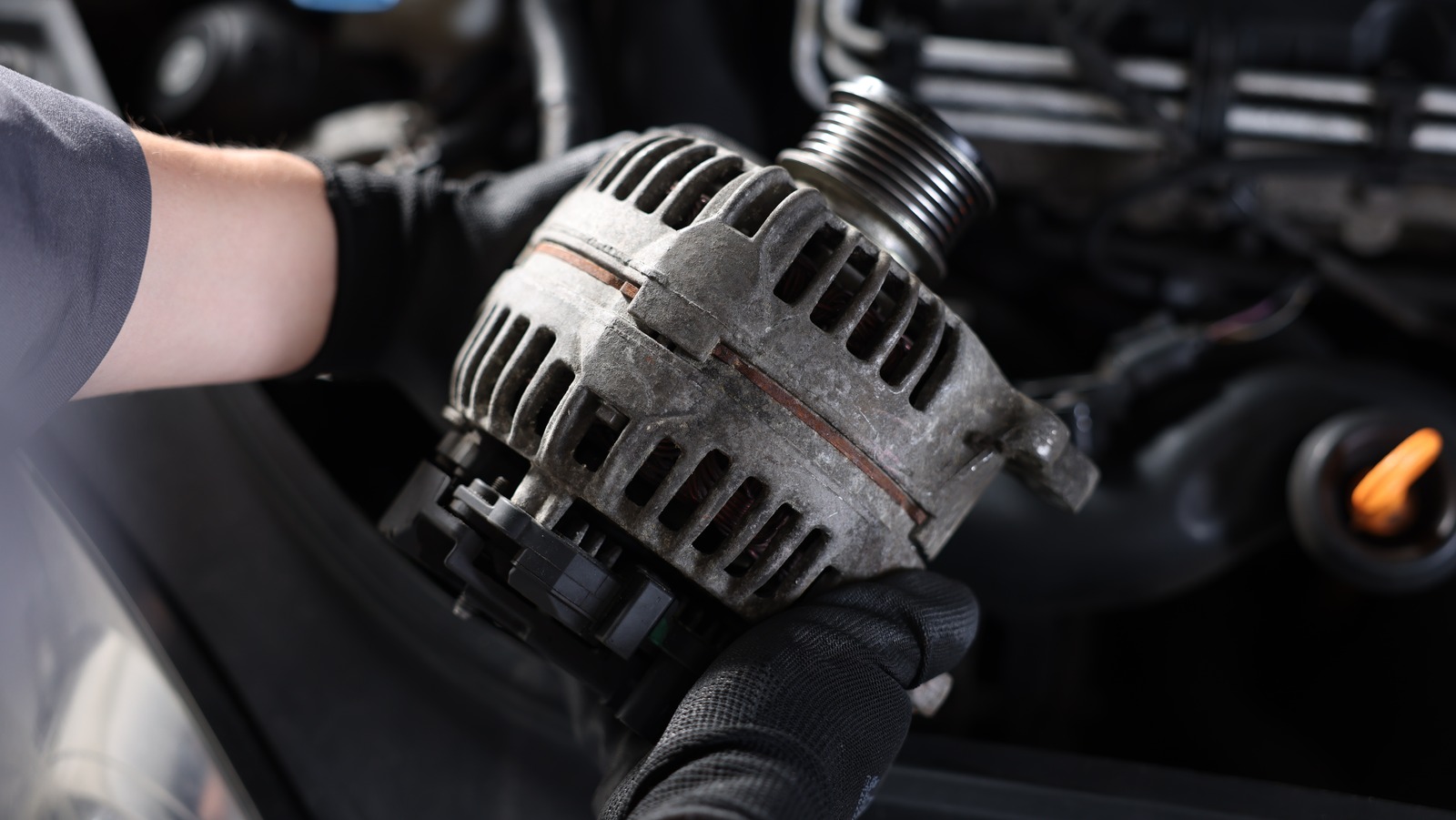
Replacing a car’s alternator often raises the question of whether the serpentine belt should also be replaced. In most cases, the answer is yes. This advice stems from both practical considerations and the mechanics of how these components work together in a vehicle.
Understanding the connection between these parts is essential. The serpentine belt is integral to the function of the alternator, as it drives the alternator’s rotor. This belt is also responsible for powering various other systems, including power steering and the air-conditioning compressor. Given that replacing the alternator typically requires removing the serpentine belt, it makes sense to replace the belt at the same time.
Why Replace the Serpentine Belt?
The serpentine belt is made of reinforced rubber and usually has a lifespan of around 60,000 to 100,000 miles. In light of this, many vehicles will require at least one serpentine belt replacement throughout their operational life, often lasting up to 200,000 miles or more. Neglecting to replace a worn serpentine belt can lead to significant issues, including engine overheating and loss of power steering, both of which can compromise safety.
Symptoms of serpentine belt wear include unusual noises, such as squealing or squeaking, which can indicate that the belt is nearing the end of its lifespan. Additionally, drivers should remain vigilant for signs of erratic electricity production from the alternator, such as flickering lights when starting the vehicle.
Regular visual inspections can also help identify potential issues. Mechanics recommend checking for cracks, fraying, worn edges, or grooves on the belt. A shiny appearance on the belt’s surface can also indicate wear.
The Role of the Alternator and Serpentine Belt
A vehicle’s alternator is responsible for converting mechanical energy from the engine into electrical energy. This electricity powers the vehicle’s electrical systems and keeps the battery charged. The first modern alternator was introduced in the 1960 Chrysler Valiant, marking a significant advancement in automotive technology.
The alternator consists of two main components: a rotor that spins, and a stationary stator wrapped in wire. As the rotor spins, it generates electricity through the principle of electromagnetism. The serpentine belt, driven by the crankshaft pulley, provides the necessary power to spin the alternator’s rotor.
While traditional internal combustion engines rely on this setup, mild hybrids use an integrated starter generator system, which changes the dynamics of power generation. However, replacing components in mild hybrids can be substantially more expensive, with costs for new batteries often exceeding $1,500.
In summary, replacing the serpentine belt during an alternator change is a prudent decision that can prevent future complications and ensure the vehicle operates smoothly. With proper maintenance, drivers can significantly extend the life of their vehicles and enhance safety on the road.