The new Sigma BF camera presents a radical departure from conventional photography equipment, stripping away many traditional controls. This minimalist design could significantly impact how photographers approach street and travel photography. A recent video by reviewer Petralia dives into the camera’s unique features and limitations, highlighting how the absence of certain functionalities may alter shooting habits.
Design Choices and Their Implications
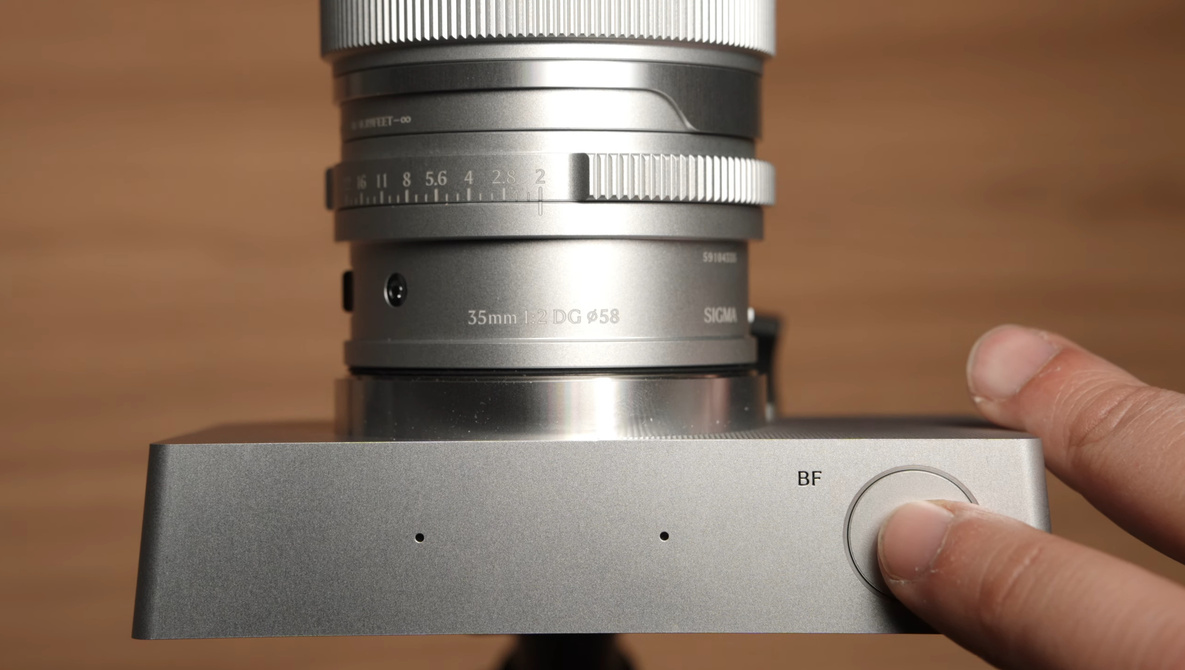
The Sigma BF lacks several features common in standard cameras, including a viewfinder, a mechanical shutter, and even a hot shoe. The only port available is a USB-C connection, which serves both power and data transfer purposes. While Petralia frames these omissions as intentional design choices, they can lead to unexpected challenges for users.
The camera’s touchscreen-first setup requires photographers to adapt their shooting rhythm rather than relying on customizable menus. Petralia emphasizes the importance of muscle memory, as controls are designed to promote a more instinctive shooting style. For instance, the playback mechanism incorporates a “two-step” behavior that alters how frequently photographers check their images, potentially increasing shooting efficiency.
Nonetheless, the autofocus system presents a limitation. While it is noted for its accuracy, the restricted options for selecting an autofocus area can hinder performance, particularly in dynamic situations. Photographers may find themselves missing crucial moments due to the need to navigate the touchscreen interface.
Performance and Workflow Considerations
The Sigma BF boasts impressive specifications, including a 36 x 24 mm full frame BSI CMOS sensor with a resolution of 24.6 MP, and an ISO range from 100 to 102,400. Recording capabilities extend to H.264/H.265 formats, supporting resolutions up to 6000 x 3000 at 29.97 fps and 1080p at 120 fps. However, the lack of a mechanical shutter introduces rolling shutter issues, causing distortion during motion capture. This can lead to unexpected visual artifacts, such as skewed lines in moving subjects or flickering under artificial lighting.
Furthermore, the absence of wireless transfer options presents a workflow challenge. Photographers must use a cable to transfer files, which can be cumbersome despite the camera’s generous internal storage of 230 GB. Battery life is another concern, with users needing to plan for additional power sources, such as spare batteries or a power bank, due to the rapid drain during extended use.
Petralia pairs the Sigma BF with compatible lenses, suggesting that pancake lenses may enhance the experience on this compact body. He also discusses the potential benefits of a faster readout sensor to mitigate the BF’s performance drawbacks.
Ultimately, the camera’s built-in JPEG processing can sometimes feel overly saturated, prompting Petralia to lean toward raw files for greater flexibility in post-processing.
For an in-depth analysis and firsthand experience, viewers can check out Petralia’s video review. The Sigma BF’s design and functionality may appeal to photographers seeking a new approach, but its limitations warrant careful consideration.
Alex Cooke, a photographer and meteorologist based in Cleveland, provides insights into the evolving landscape of photography tools, emphasizing the balance between innovation and practicality in modern equipment.