Independent road tests have revealed that electric vehicles (EVs) in Australia are not meeting their claimed range on a single charge, with all models tested falling short of manufacturers’ promises. The findings, released on March 14, 2024, by the Australian Automobile Association (AAA), highlight significant disparities between advertised and actual performance in the latest assessments.
The AAA’s analysis is part of its $14 million Real-World Testing Program, which aims to provide consumers with accurate information about the real-world range of electric vehicles. In the recent tests conducted around Geelong, Victoria, one small car notably lagged behind expectations, missing its claimed distance by over 120 kilometers. Conversely, the Tesla Model Y SUV came closest to its advertised range, falling short by just 16 kilometers of the claimed 466 kilometers on a single charge.
Widespread Discrepancies in EV Performance
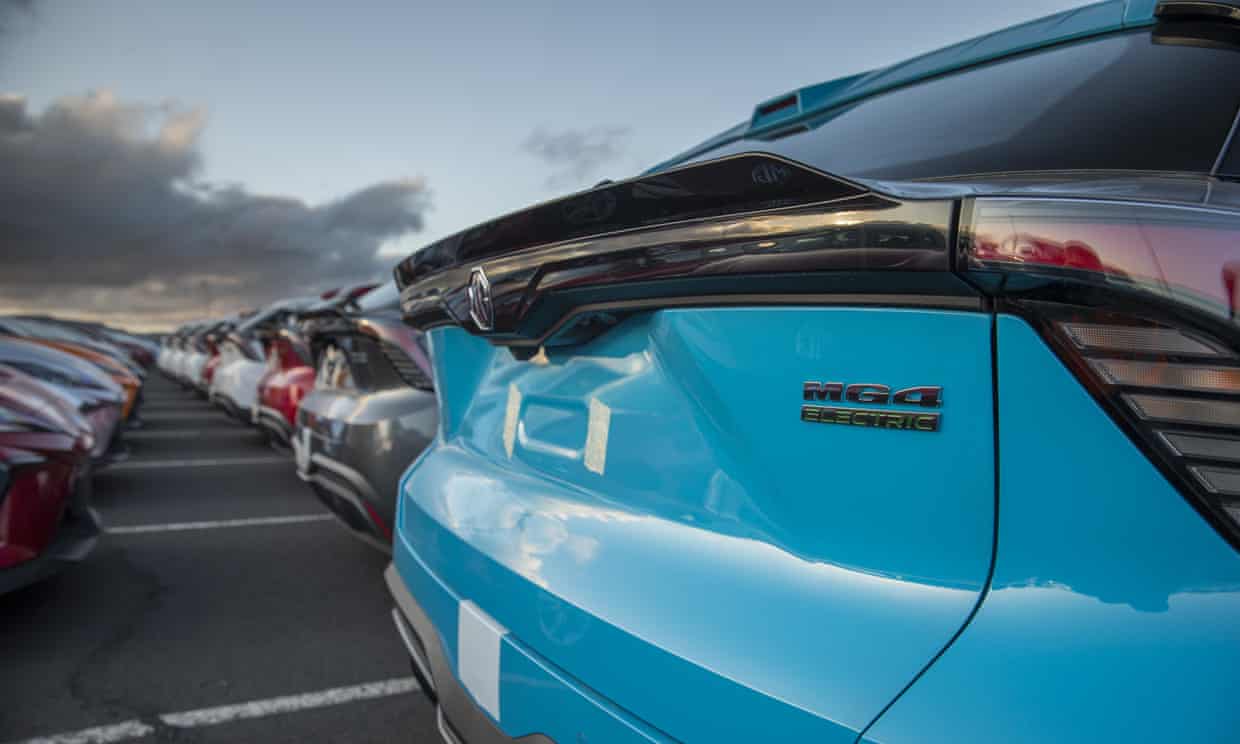
The latest testing included four electric vehicle models, with all failing to meet their respective claimed ranges. The best and worst results were starkly different. The MG4 electric hatchback recorded the most significant shortfall, achieving only 281 kilometers instead of its advertised 405 kilometers, representing a 31% deficit. The Kia EV3 missed its target by 67 kilometers, or 11%, while the Smart #1 fell short by 53 kilometers, a difference of 13%.
The AAA’s testing program is especially relevant for consumers who rely on accurate information when considering a switch to electric vehicles. According to Michael Bradley, managing director of the AAA, “These results give consumers an independent indication of real-world battery range, which means they now know which cars perform as advertised and which do not.” He emphasized that providing better information empowers buyers to make informed decisions about their vehicle choices.
Context and Future Implications
This round of testing follows earlier assessments where all five previously analyzed models also failed to meet their advertised ranges. Additionally, a broader examination of 131 internal combustion and hybrid vehicles indicated that 76% consumed more fuel than advertised.
The AAA’s initiative, funded by the federal government, was established in response to the 2015 Volkswagen scandal, where the automaker was found to have manipulated emissions data using software. The organization aims to test a total of 200 vehicles as part of its ongoing efforts to provide transparency in the automotive market.
As the electric vehicle market continues to grow, these findings underscore the importance of realistic expectations for consumers. With most vehicles tested consuming more energy or fuel than promised, the results pose challenges for potential buyers who may hesitate to transition to electric alternatives. The AAA’s commitment to independent testing serves as a crucial step in enhancing consumer confidence in the evolving automotive landscape.