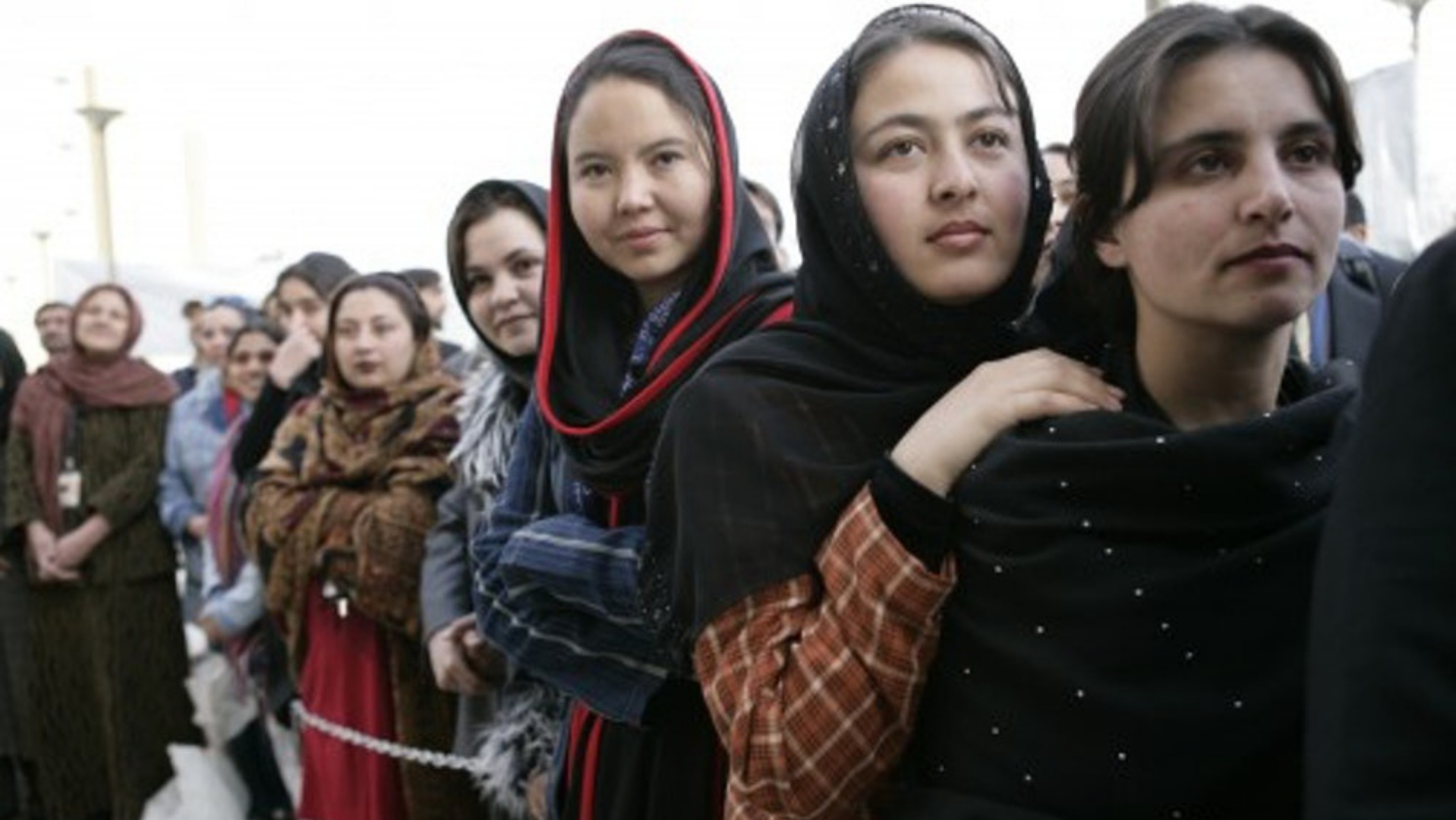
A UN expert has called for the immediate reversal of the Taliban’s ban on women employees entering United Nations premises in Afghanistan. This appeal comes as the measures have been condemned for violating fundamental UN principles of equality and human rights. According to Susan Ferguson, the UN Women Special Representative in Afghanistan, the restriction on Afghan women staff and contractors directly impacts life-saving services, especially following recent earthquakes that struck eastern and northern regions of the country.
Ferguson highlighted that despite the ban, Afghan women have continued to demonstrate their professionalism by working from their “homes and communities.” They have played a critical role in providing aid to returnees from Pakistan and Iran, as well as addressing the urgent needs for food, clean water, and healthcare among women and children adversely affected by the earthquakes. In early November, a powerful 6.3 magnitude earthquake hit the Balkh and Samangan provinces, resulting in over 25 deaths and injuring more than 1,000 individuals.
The UN Charter, specifically Article 55(c), emphasizes the need for universal respect for human rights and fundamental freedoms without discrimination based on race, sex, language, or religion. Afghanistan has been a member of the UN since 1946, thus ratifying the UN Charter and its obligations.
Escalating Restrictions on Women’s Rights
The situation for women in Afghanistan has deteriorated significantly since the Taliban’s takeover in 2021. Richard Bennet, the UN Special Rapporteur on the situation of human rights in Afghanistan, has decried the Taliban’s legal measures to suppress women’s rights, describing them as effectively weaponizing the law and committing crimes against humanity. Bennet specifically criticized the dismissal of approximately 270 women judges, who were replaced by men, aligning with the regime’s hardline ideology.
He also noted that the Taliban has disregarded the 2004 Constitution and numerous laws that previously provided protections for women. These included legal frameworks against rape, forced marriages, and various forms of violence.
In September 2023, the Taliban authorities imposed a ban preventing women from entering UN premises in Kabul, the capital of Afghanistan. Security forces were deployed to enforce this edict, prompting severe backlash from human rights groups and the UN, which labeled the ban a serious breach of “international rules on the privileges and immunities of the organization’s personnel.”
International Implications and Humanitarian Concerns
The situation raises significant concerns not only for women in Afghanistan but also for the broader humanitarian response in the country. As aid efforts are jeopardized, the international community watches closely to see how the Taliban will respond to these mounting pressures.
On December 9, 1948, the United Nations General Assembly adopted the first international treaty criminalizing genocide, setting a precedent for the global governance of human rights. The ongoing situation in Afghanistan poses a critical test of the international community’s commitment to uphold these principles and to protect the rights of vulnerable populations, particularly women and children.
As the UN continues to advocate for the rights of women in Afghanistan, the urgent need for a reversal of the ban on female staff remains a focal point in the ongoing dialogue about human rights and humanitarian access in the region.