The U.S. proposal to enhance its military presence in Greenland has been met with skepticism, particularly in light of the planned Golden Dome missile defense system. President Donald Trump has suggested that U.S. ownership of Greenland is necessary for national security, specifically to counter missile threats. However, analysts argue that such a move could undermine U.S. security rather than strengthen it.
Concerns Over Military Strategy
The notion that Greenland is essential for missile defense hinges on the forthcoming Golden Dome program, which aims to create a multilayered defense against various threats including ballistic and hypersonic missiles. Details regarding Golden Dome remain sparse, with House and Senate appropriators expressing concerns about insufficient budgetary information in the fiscal defense appropriations bill for fiscal year 2026. They emphasized that this lack of clarity hampers effective oversight of planned programs.
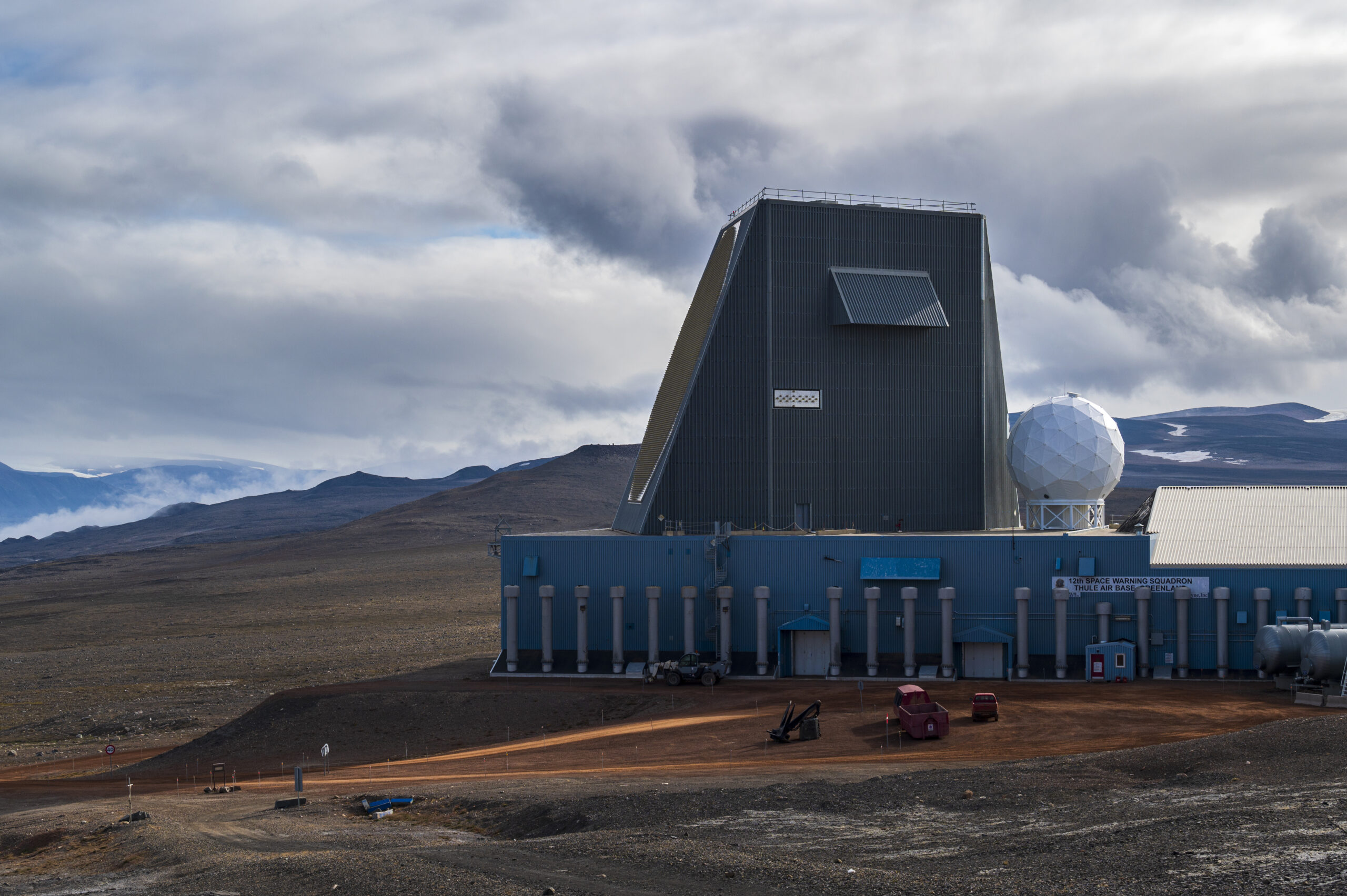
Greenland’s role is mentioned in the recent National Defense Strategy, highlighting the need for guaranteed military access. The U.S. has a significant military history in Greenland, dating back to World War II and continuing through the Cold War. The originating executive order from the White House in January 2025 outlines the intention to utilize existing military infrastructure, including the Pituffik Space Base, known for its early-warning radar systems.
Despite these plans, the U.S. may not require an expanded military footprint in Greenland. The 1951 military agreement with Denmark is notably flexible, allowing the U.S. to improve and maintain military facilities. Precedents exist for cooperation between the U.S. and Denmark, evidenced by the unanimous approval from the Danish parliament in 2004 for radar upgrades requested by the George W. Bush administration.
Evaluating Interceptor Locations
While the idea of placing interceptors in Greenland has surfaced, the U.S. already maintains 44 Ground-based Midcourse Defense (GMD) interceptors stationed in Alaska and California. Recent funding allocations for the Missile Defense Agency also include plans for a third GMD basing site at Fort Drum, New York, which meets the need for a northern location without necessitating operations outside the United States.
Concerns about the GMD interceptors extend beyond their physical presence. The number of interceptors has remained static for over two decades, with the focus shifting towards upgrades rather than expansion. Building new interceptors is costly and resource-intensive, limiting the feasibility of creating new sites in Greenland.
Critics argue that forcibly annexing Greenland could weaken NATO alliances that have been crucial for U.S. security for more than seventy years. By taking a confrontational stance towards Denmark, the U.S. risks straining relationships with key allies. Gen. Chance Saltzman, Chief of Space Operations for the Space Force, emphasized the importance of international partnerships in securing national interests in space.
As discussions around Golden Dome progress, concerns about its astronomical costs, technical challenges, and implications for space weaponization remain prominent. Analysts warn against using the need for Golden Dome as a justification for territorial annexation, which could further complicate diplomatic relations and undermine long-standing military alliances.
Given the complexities surrounding U.S. military strategy in Greenland, experts like Victoria Samson, Chief Director of Space Security at the Secure World Foundation, and Krystal Azelton, Senior Director of Program Planning, urge a careful evaluation of the potential ramifications of any proposed territorial expansion.