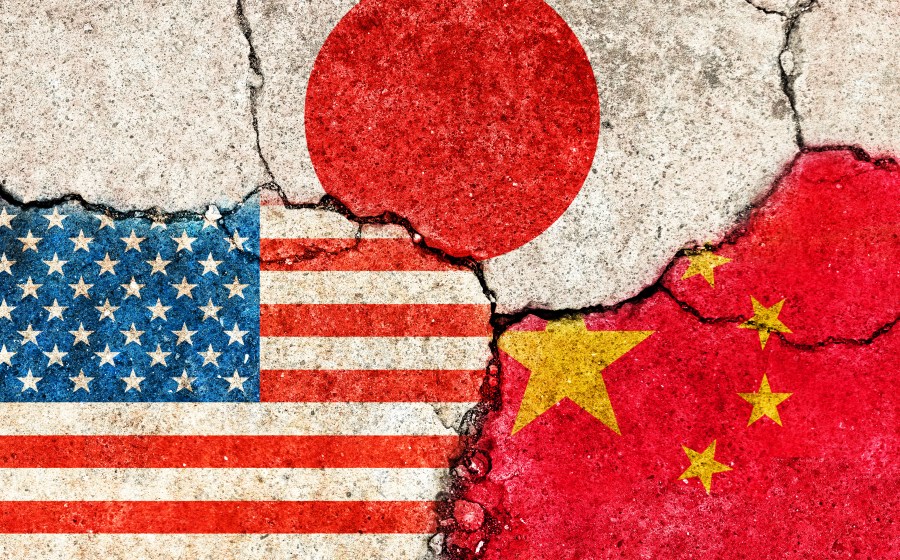
The ongoing trade negotiations led by Donald Trump have raised urgent concerns in Japan regarding tariff relief on critical goods. As discussions continue, Japan’s government emphasizes that timely tariff reductions are essential for maintaining economic stability amid growing tensions with China.
Japan’s plea for tariff relief comes at a pivotal moment, as the country seeks to bolster its economic ties with the United States while navigating a complex geopolitical landscape. According to the U.S. Trade Representative, Japan remains a crucial ally in the Asia-Pacific region, yet the delay in addressing tariff issues may signal a prioritization of trade with China over long-standing security commitments to allies.
Japan’s Economic Concerns
The Japanese economy faces significant pressures, particularly in the technology and automotive sectors, which have been adversely affected by U.S. tariffs. A recent study by the Japan External Trade Organization indicates that these tariffs have led to a decrease in exports, costing the economy approximately $1.1 billion in lost revenue since the onset of the trade dispute.
Japanese officials argue that without immediate tariff relief, the economic partnership between the U.S. and Japan may weaken, undermining the mutual interests that have been cultivated over decades. Prime Minister Fumio Kishida has communicated directly with U.S. officials, urging a resolution that prioritizes bilateral trade and security.
Concerns extend beyond economic impacts, as Japan’s reliance on U.S. military support becomes critical amidst increasing assertiveness from China in regional waters. Analysts warn that a failure to provide tariff relief could have long-term implications for Japan’s defense strategy and its ability to counterbalance Chinese influence.
Implications for U.S.-China Relations
Trump’s trade policy has often been characterized by its focus on America first, but the implications of neglecting allies like Japan could be far-reaching. By maintaining tariffs on Japanese goods while seeking favorable trade terms with China, the current administration risks sending a message that economic interests with Beijing take precedence over longstanding alliances.
The prospect of ongoing tariffs may also influence Japan’s strategic decisions. As economic pressures mount, Japan could explore alternative partnerships or trade agreements that may not align with U.S. interests. According to a report from the National Security Council, maintaining strong alliances is imperative for U.S. security, and any missteps could embolden adversaries in the region.
In summary, Japan is calling for immediate action on tariff relief as a means to protect its economic interests and secure its position as a key ally of the United States. The response from the Trump administration will be closely monitored, as it could redefine the framework of U.S.-Japan relations and influence the broader dynamics of trade and security in the Asia-Pacific region.