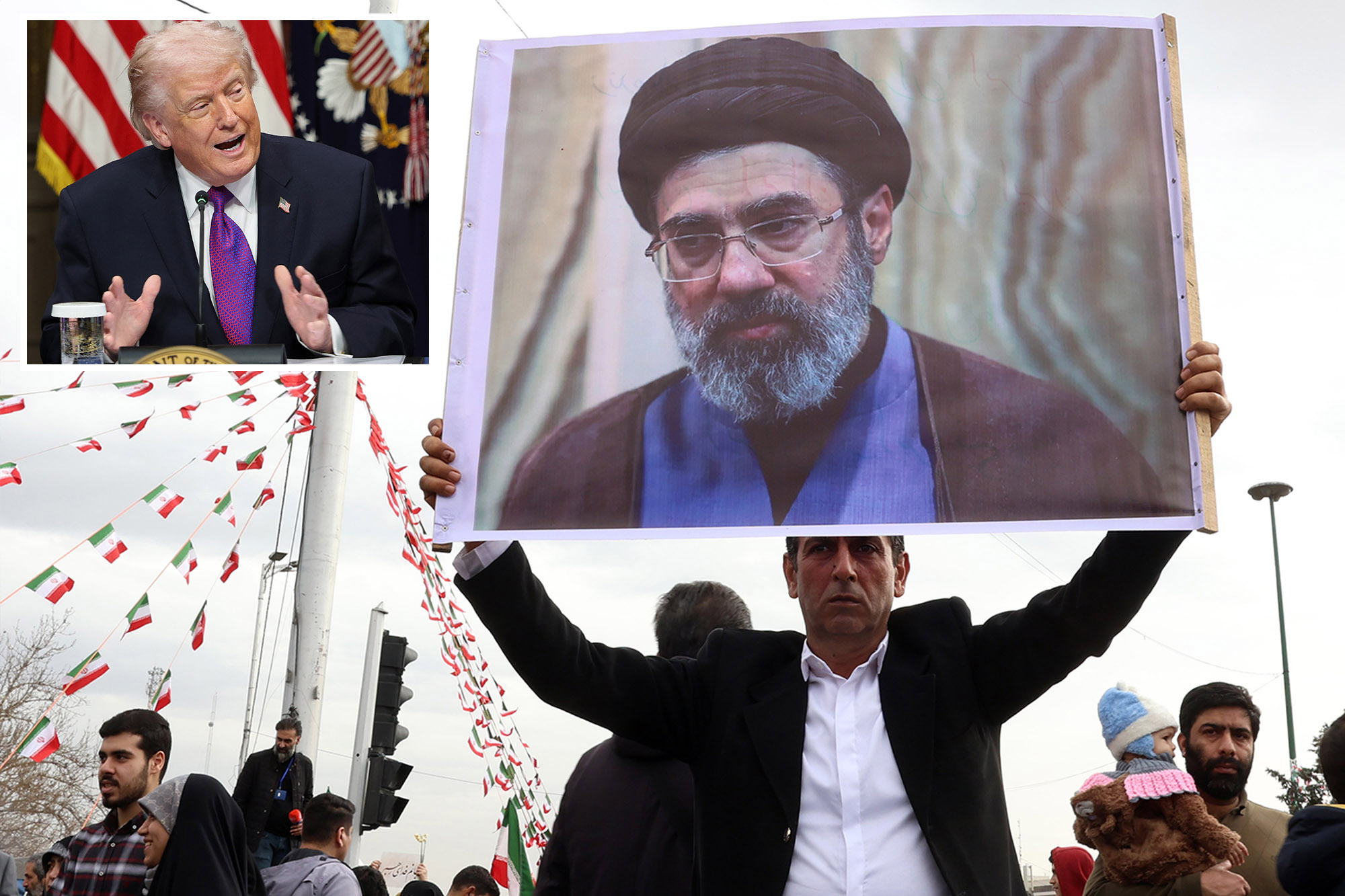
Speculation regarding the potential rise of Mojtaba Khamenei, son of Iranian Supreme Leader Ayatollah Ali Khamenei, to a higher position within the regime has drawn sharp criticism from former President Donald Trump. In comments to Axios on Thursday, Trump referred to the 56-year-old as a “lightweight,” expressing skepticism about his capability to lead Iran effectively.
Reports suggest that Mojtaba Khamenei may be considered a candidate to succeed his father, who has held power since 1989 and was recently killed in a US-Israeli strike in Tehran. Despite the buzz surrounding his potential ascent, Trump emphasized that he does not view Mojtaba as a suitable leader. “They are wasting their time. Khamenei’s son is unacceptable to me. We want someone that will bring harmony and peace to Iran,” he stated.
As the situation develops, the narrative surrounding Mojtaba has become increasingly complicated. Diplomatic cables released by WikiLeaks highlighted personal challenges he has faced, including difficulties in his marriage. Reports indicate that he underwent treatment for impotency at various clinics in London on four separate occasions. These complications reportedly delayed his ability to start a family, which is traditionally expected in Iranian culture.
Mojtaba’s family pressures were noted in one cable, which revealed that he required a lengthy stay for treatment before his wife became pregnant. The cables also mentioned that he engaged in two temporary marriages, permitted under Iranian Islamic law, prior to his official marriage, which allowed him to fulfill cultural expectations of having children.
The aftermath of the recent strike has thrown the Iranian regime into a state of uncertainty. As regime hardliners appear to rally around Mojtaba as a potential successor, it raises questions about the future direction of Iran and its leadership. Analysts suggest that the push for Mojtaba could signal a desire to maintain continuity in governance and resist Western influence.
In light of these developments, Trump has made it clear that any potential successor in Iran should consult with him. He likened the situation to his involvement in the Venezuelan leadership transition, stating, “I have to be involved in the appointment, like with Delcy [Rodriguez] in Venezuela.”
The political landscape in Iran remains fluid as the regime navigates the loss of its leader and contemplates its next steps. With the eyes of the world watching, the future of Iranian leadership may hinge on both domestic and international dynamics in the coming months.