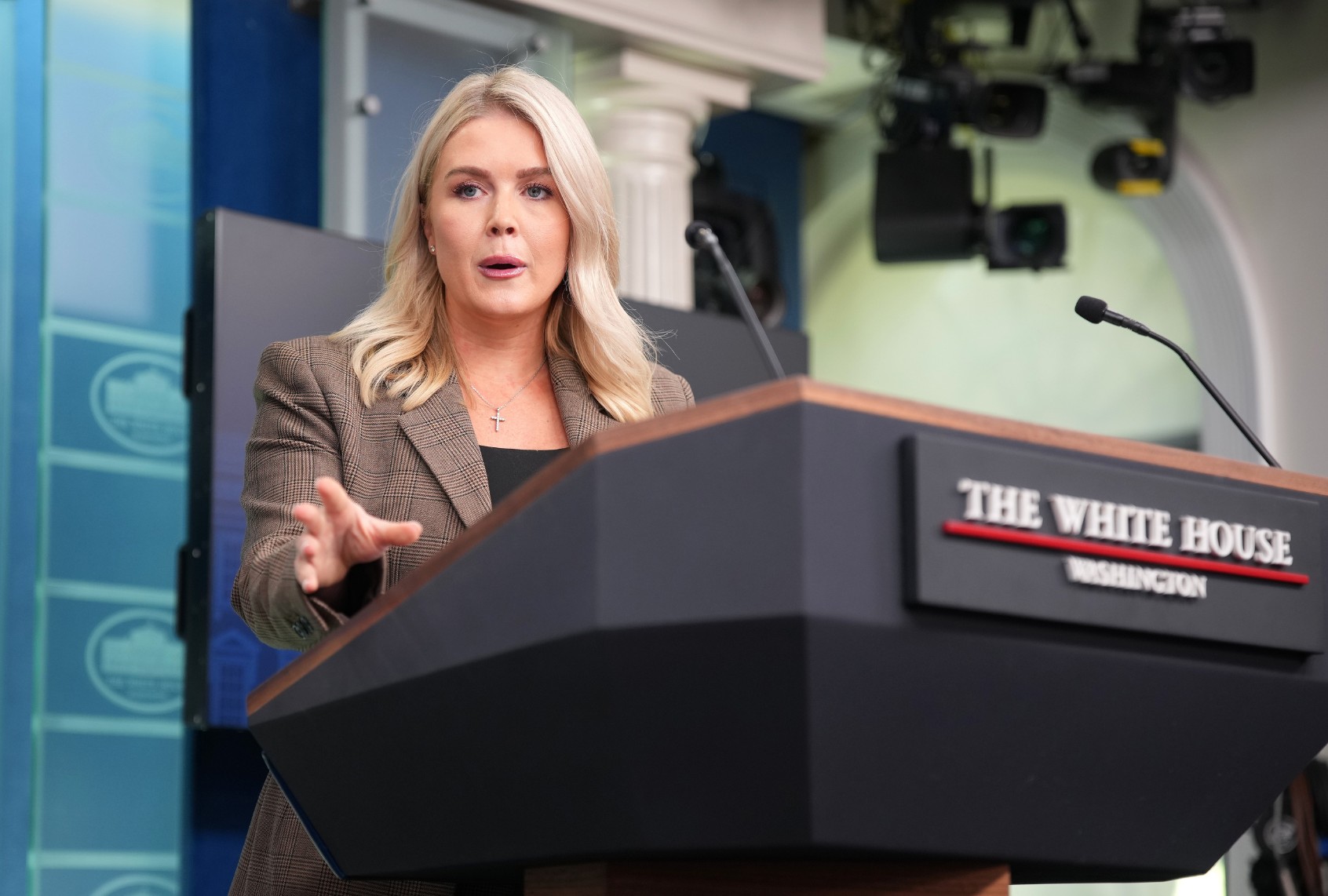
The retail industry experienced a significant challenge in 2025, with a reported 12% increase in store closures compared to the previous year. Despite this trend, retail expert Deborah Weinswig, CEO and founder of Coresight Research, remains optimistic about the sector’s future as it approaches March 2026. Weinswig anticipates that grocery retailers will pursue more aggressive expansion strategies following a prolonged period of stagnation due to the pandemic.
Weinswig identifies a notable shift in the market, particularly favoring dollar stores, which continue to deliver strong returns on investments. Retailers operating in the discount segment, including Burlington, T.J.Maxx, and Ross Dress for Less, are capturing a growing share of the market. Innovative retail concepts, such as selling shelf space to other brands and monetizing customer data, are also expected to contribute to physical expansion in addition to online growth in the coming year.
“It’s not necessarily about a size of box,” Weinswig stated, highlighting the diversity in store formats. “We’re talking about 10,000 square feet with dollar stores, 35,000 square feet with off-price retailers, and 50,000 square feet with grocery stores. Consumers are willing to shop at different sizes and drive varying distances, particularly given current gas prices.” She emphasized that the shopping experience and product availability are increasingly important for consumers.
In 2025, the number of store openings fell by 11% compared to the previous year. Nevertheless, Coresight Research has identified a more optimistic outlook for the upcoming year, tracking 566 planned closures against 1,118 planned openings announced by retailers for 2026 thus far.
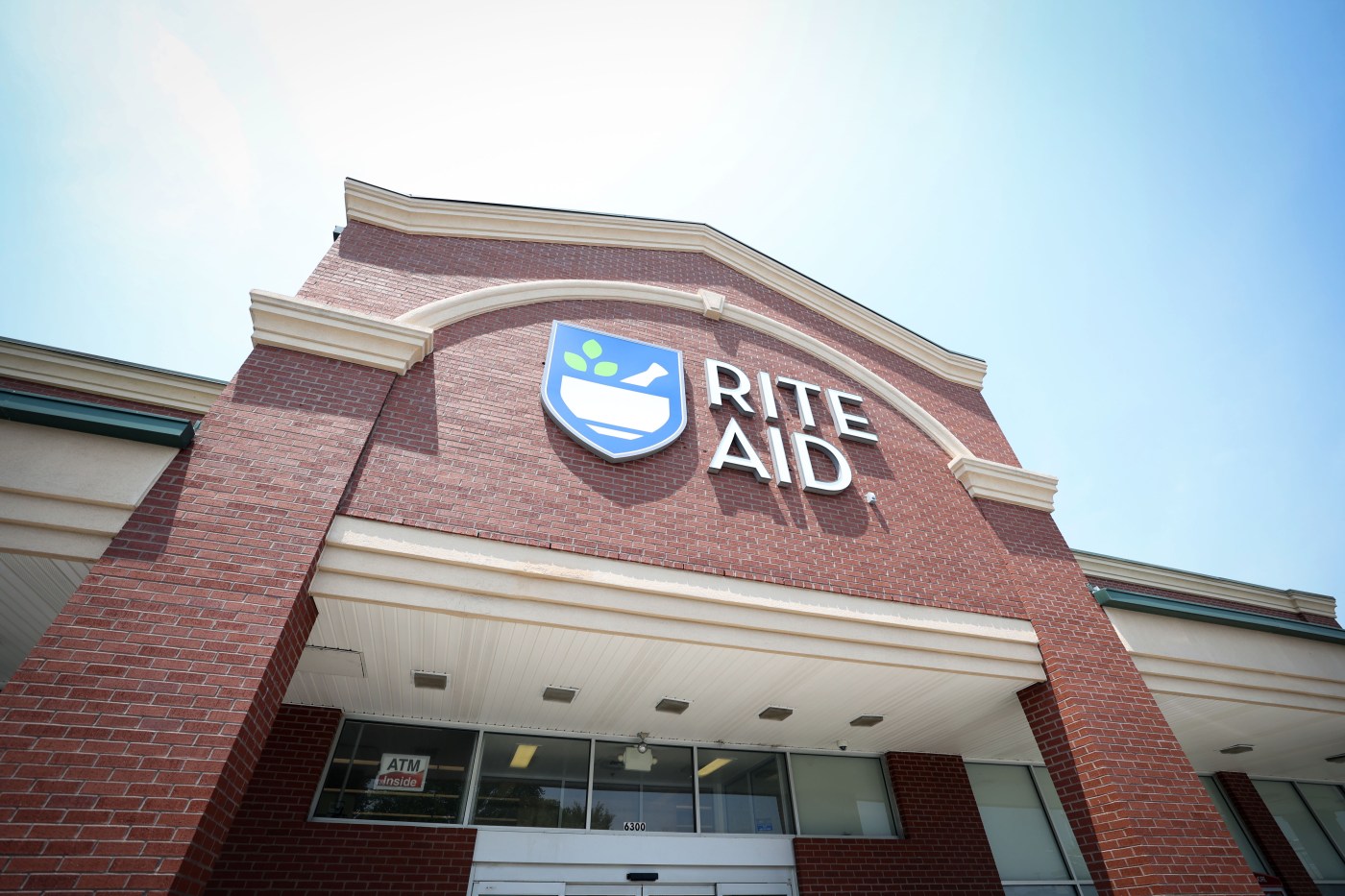
Despite this positive trend, certain areas of retail face challenges. Following the closure of its stores this year, Rite Aid is expected to see further pharmacy closures in 2026. Weinswig noted that the pharmacy format requires reevaluation due to high operating costs and an over-reliance on lower-margin pharmacy sales compared to consumer products at the front of the store.
Consumers have become increasingly price-sensitive, and alternative options for purchasing everyday items are readily available. Rite Aid’s downsizing was significant, with the drugstore chain closing nearly 1,300 locations this year. Other notable closures included retailers like Joann, Party City, Big Lots, Claire’s, Walgreens, 7-Eleven, Forever 21, CVS, and Dollar General.
On the other hand, Dollar General emerged as a leader in store openings this year, with 611 new locations compared to 271 closures. Operating more than 20,000 stores across the country, the company is leveraging artificial intelligence to better respond to market dynamics. Weinswig explained that underperforming locations are being replaced with more successful ones, enabling retailers to optimize their costs.
“And so, we’re starting to see faster decisions getting made in retail,” she said. “I think better decisions are being made that are a little more science and a little less art.”
Data-driven decision-making is enhancing retail operations, with retailers discovering ways to sell their consumer data to other companies seeking insights into market behavior. According to Weinswig, the significant closures seen this year might have been mitigated if advanced AI tools had been available sooner.
“Rite Aid, Joann, Party City, and others lost discipline around expenses,” she explained. “They kept stores open longer than they should have instead of adjusting their portfolios.”
Weinswig emphasized the importance of strategic planning over tactical management in retail, cautioning that a lack of discipline can lead to severe consequences. “It’s just that sometimes the tactical can eat your lunch. In this case, it ultimately did, unfortunately.”
As the retail landscape evolves, stakeholders will be closely monitoring how these trends develop in 2026 and beyond.