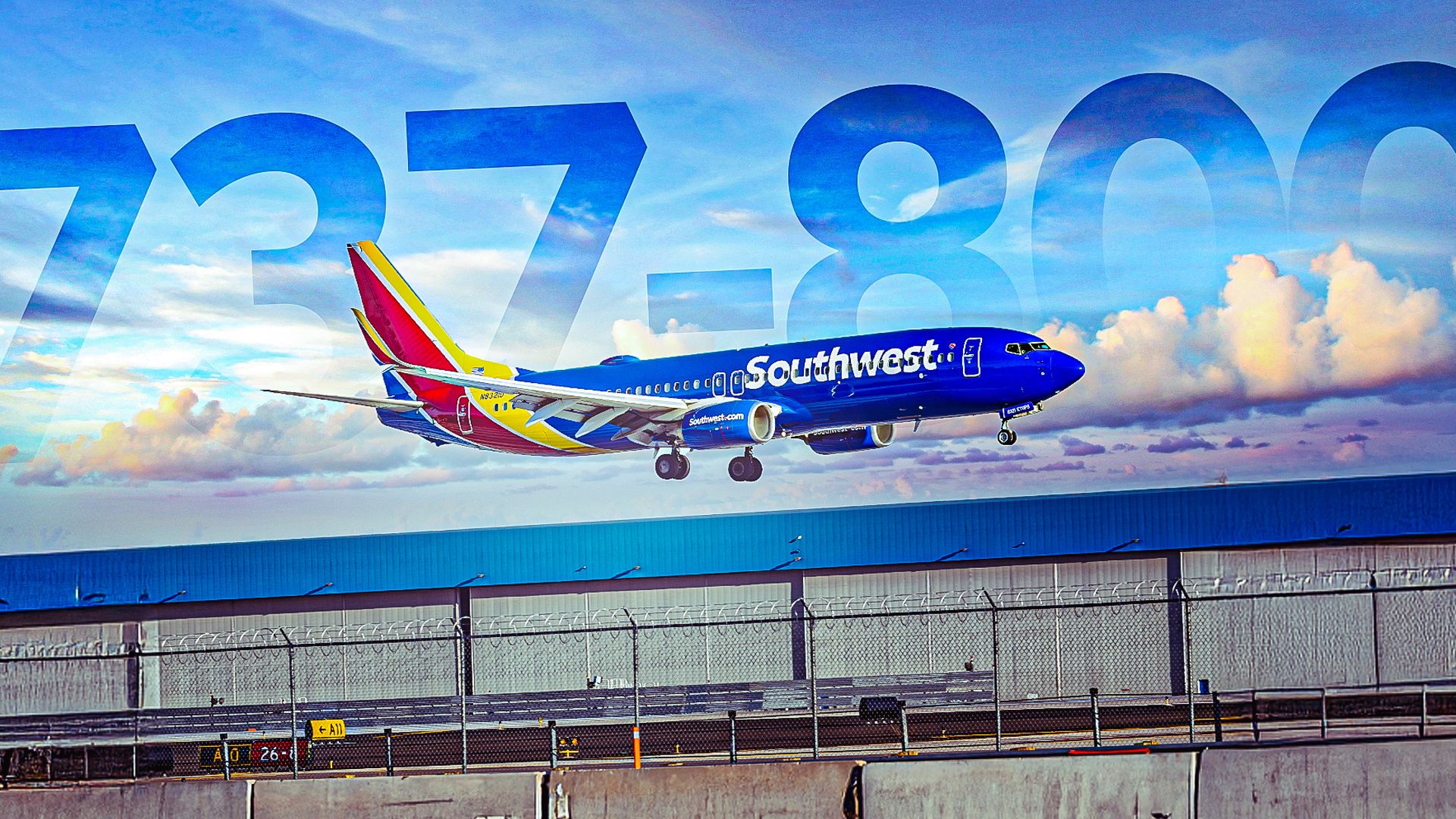
On March 20, 2025, a potentially dangerous situation unfolded at Orlando International Airport (MCO) when a Southwest Airlines Boeing 737-800 began its takeoff roll on a taxiway rather than the designated runway. The aircraft was cleared for takeoff by air traffic control but aborted the attempt after controllers noticed the error. All 152 passengers and six crew members aboard remained unharmed, but the incident raised significant concerns about pilot error.
The National Transportation Safety Board (NTSB) conducted an investigation into the incident, which occurred as the flight, designated Flight 3278, was heading for Albany, New York (ALB). According to a report released in collaboration with the Federal Aviation Administration (FAA) on December 11, the investigation concluded that the captain was responsible for the near-mishap due to a failure to recognize the aircraft’s location prior to takeoff.
Incident Overview and Investigation Findings
During the critical moments leading up to the incident, the aircraft was mistakenly taxied onto taxiway H2 instead of runway 17R after receiving takeoff clearance. The captain admitted to focusing on centering the aircraft and completing pre-takeoff checklist items, which distracted him from recognizing that the surface beneath him was a taxiway. Although he noted seeing the sign for runway 17R, he misjudged the situation and proceeded to power up the engines.
The NTSB’s report highlighted the captain’s “continuation error,” wherein he overlooked multiple cues indicating that he was not on the correct departure runway. The agency pointed out that the taxiway’s parallel orientation with the runway contributed to the confusion, as the relevant signage remained directly in the pilot’s line of sight.
Investigators interviewed the captain, who maintained that he could not see the painted runway numbers from the cockpit. Instead, he relied on visual references such as lighting conditions and the aircraft’s magnetic course, along with a moving map display for navigation.
Failure to Follow Standard Operating Procedures
The NTSB’s findings revealed that the captain did not adhere to Southwest Airlines’ standard operating procedures (SOPs), which are designed to ensure safe and accurate aircraft positioning prior to takeoff. These SOPs include several reference points, such as aircraft heading indicators, runway signage, and painted runway designations.
The investigation found that the captain failed to utilize these visual references effectively. Notably, he did not recognize the yellow painted centerline or the distinct surface differences between the taxiway and the runway. Additionally, the first officer was reportedly distracted by the captain’s requests to confirm checklist items during the taxi, further complicating the situation and contradicting the airline’s SOPs.
While the incident concluded without physical harm, it highlights the critical need for adherence to established protocols and the importance of situational awareness in aviation. The busy nature of Orlando’s airport, particularly during the spring break travel period, underscores the potential risks associated with such lapses in judgment.
As the aviation community reflects on this near-miss, the NTSB’s report emphasizes the ongoing need for training and vigilance in ensuring passenger safety.