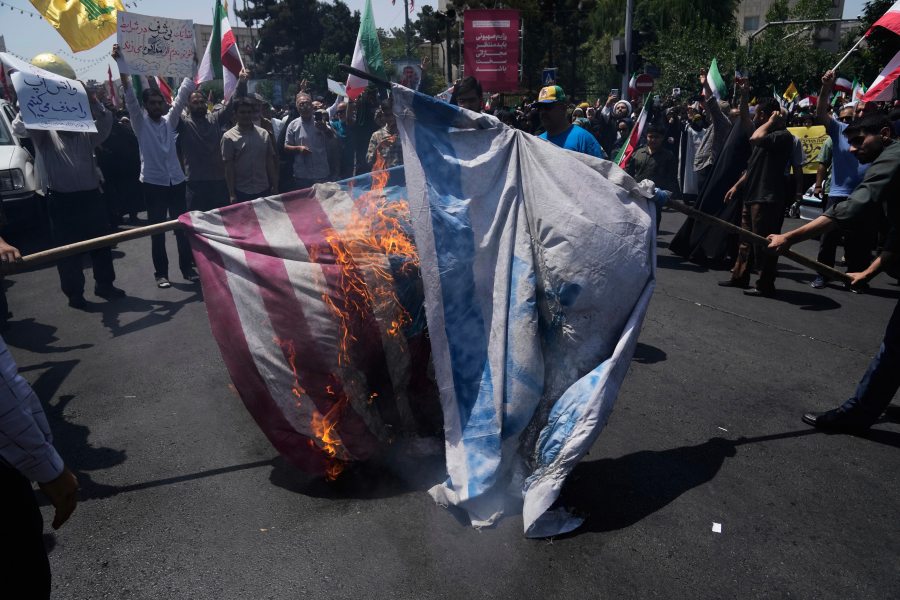
Protests in Iran have escalated over the past two weeks, with reports suggesting that hundreds of demonstrators have lost their lives amid calls for change. Despite the unrest, the Iranian government remains focused on international diplomacy, signaling a desire to project an image of stability. The regime has implemented stringent measures to suppress information regarding the protests, including an internet blackout.
The Iranian leadership appears determined to avoid the perception that it is nearing a tipping point. While the domestic situation deteriorates, officials like Foreign Minister Abbas Araghchi are actively engaging with foreign counterparts. During a recent visit to Lebanon, Araghchi met with Lebanese President Joseph Aoun, emphasizing Iran’s commitment to strengthening bilateral relations while advocating for “non-interference” in each other’s affairs.
Diplomatic Engagement Amid Domestic Turmoil
Araghchi’s visit to Lebanon comes amid rising tensions between Tehran and Beirut, particularly regarding Iran’s support for Hezbollah. Lebanese Foreign Minister Youssef Raggi has voiced concerns over Iran’s influence in the region, suggesting a shift in the dynamics of Iranian-Lebanese relations.
Despite the protests, Iran’s leadership continues to engage in diplomatic activities. Araghchi also met with Oman’s Foreign Minister Sayyid Badr bin Hamad bin Hamood Al Busaidi in Tehran, where he cautioned other nations against interfering in Iran’s internal matters. This statement appears to be directed not only at the United States but also at Israel, with concerns growing over external influences in the region.
Reports indicate that Iranian authorities have arrested around 200 protest leaders as part of their efforts to quell dissent. The Iranian government’s response to the protests has included a narrative framing the unrest as a result of external forces attempting to destabilize the country. President Masoud Pezeshkian asserted that the nation’s “enemies” are attempting to sow chaos amid the ongoing protests.
Regional Implications and Concerns
The unrest in Iran is drawing attention from neighboring countries, particularly Turkey. Turkish officials are wary of the potential for similar protests to erupt within their borders if the Iranian regime were to collapse. The Turkish media generally aligns with the Iranian government’s perspective, reflecting a complex regional relationship.
As protests continue, reports from Iranian state media indicate that security forces have encountered significant resistance. Turkish news agency Anadolu reported that at least six security personnel have died in confrontations with demonstrators, while Iranian officials maintain that external elements are responsible for inciting unrest.
In this volatile environment, Iranian Parliament Speaker Mohammad Baqer Qalibaf has issued strong statements vowing to confront what he describes as a “fabricated terrorist war.” He warned that any external aggression would place US bases and “occupied territories” within Iran’s firing range, highlighting the regime’s determination to respond forcefully to perceived threats.
The Iranian government is navigating a challenging landscape, balancing international diplomacy with a pressing domestic crisis. As the situation unfolds, the world watches closely to see how Iran’s leadership will manage both internal dissent and external relations in the face of growing unrest.