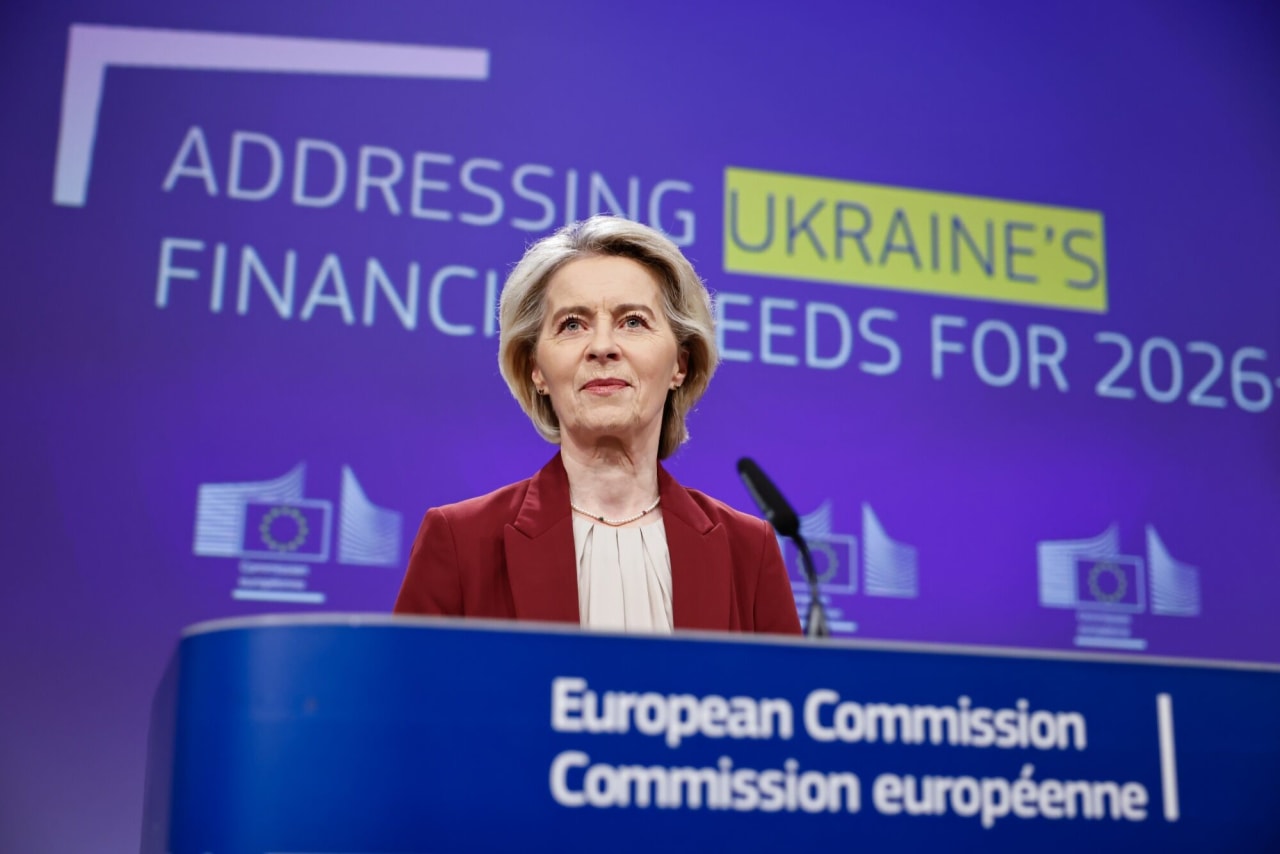
The European Union has revised its ambitious plan to provide significant financial assistance to Ukraine, focusing on a more cautious approach. This decision comes in response to concerns raised by Belgium and aims to create flexibility for the United States to utilize part of the funds in negotiations with Moscow.
The proposed financial assistance was originally designed to offer Ukraine an extensive loan package intended to bolster its economy amidst ongoing challenges. However, the revised strategy reflects a shift toward a more restrained financial commitment, as EU officials seek to balance the needs of member states with broader geopolitical considerations.
Concerns from Belgium Influence EU Strategy
Belgium’s apprehensions regarding the scale of loans have played a pivotal role in the EU’s decision-making process. The government expressed worries about the potential long-term impact on the Eurozone’s fiscal health. As a result, the EU is now considering a more measured approach, which includes smaller loans and tighter conditions for financial support.
The new plan is expected to focus on targeted investments that will help Ukraine stabilize its economy without overwhelming EU member states’ finances. March 2024 has been highlighted as a key date for the implementation of the revised strategy, with discussions currently underway among EU finance ministers.
US Involvement and Broader Geopolitical Implications
The United States is closely monitoring the situation, as it seeks to leverage the EU funds in broader negotiations with Russia. The adjustment in the loan strategy allows Washington to position itself more effectively in its diplomatic efforts. US officials have emphasized the importance of a unified approach among Western allies to support Ukraine while also addressing concerns from individual nations.
This recalibration of the EU’s financial assistance plan is indicative of the complex interplay between European fiscal policy and international relations. The move not only aims to ensure economic stability for Ukraine but also to maintain cohesion within the Eurozone amidst diverging national interests.
With the situation continuously evolving, the EU’s decision to scale back its loan proposal reflects a growing recognition of the need for sustainable, responsible financial practices. The potential impact on Ukraine’s economic recovery will depend significantly on the implementation of the revised plan and the ongoing support from international partners.