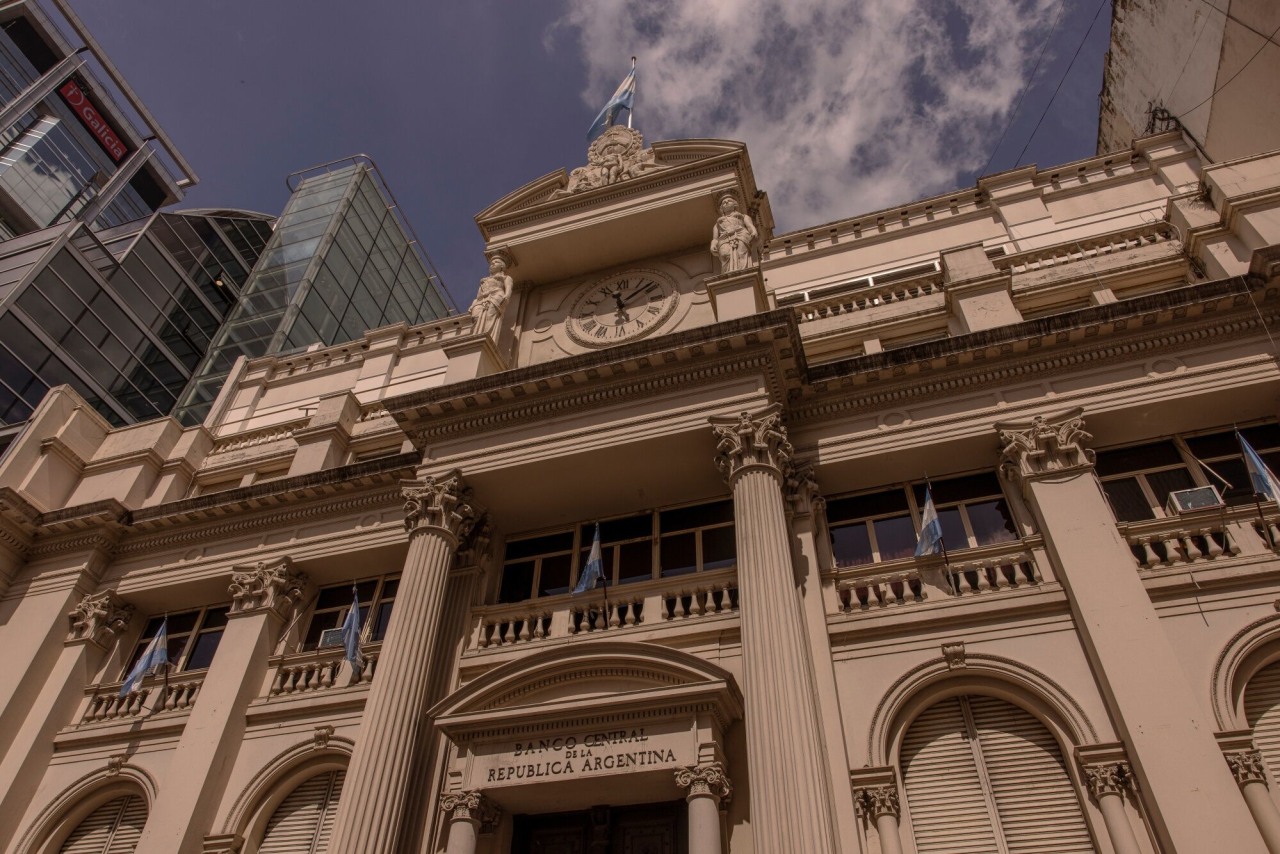
The Argentine Central Bank has announced a significant shift in its currency policy, aiming to adjust controls on the Argentine peso. This move, part of President Javier Milei‘s economic strategy, seeks to address the peso’s perceived overvaluation while simultaneously working to rebuild the nation’s international reserves.
As of September 2023, the Central Bank indicated it would modify its currency band framework. This adjustment is intended to allow for more flexibility in the exchange rate, which analysts believe could help stabilize the currency in the long term. The Central Bank’s decision reflects ongoing efforts to restore confidence among investors and the general public, who have expressed concerns over the peso’s value and the country’s economic stability.
Economic Context and Implications
Argentina has faced severe economic challenges, including high inflation rates and dwindling foreign reserves. The peso has been under pressure, leading to a black market for currency exchange that further complicates financial transactions within the country. By adjusting the currency band, the Central Bank hopes to combat these issues and create a more favorable environment for economic growth.
In recent months, the International Monetary Fund (IMF) has emphasized the need for Argentina to implement effective economic reforms to secure financial assistance. The IMF’s involvement highlights the urgency for the Argentine government to stabilize its economy and restore fiscal discipline. The Central Bank’s decision to change the currency controls could be a crucial step in aligning with the IMF’s recommendations.
The adjustments to the currency band are expected to impact various sectors of the economy, including trade and investment. Businesses relying on imports may face increased costs, while exporters could benefit from a more competitive exchange rate. This dual effect underscores the complex nature of currency policy and its broader implications for the Argentine economy.
Future Outlook
Moving forward, the Central Bank’s strategy will be closely monitored by both domestic and international stakeholders. The success of these changes will depend on a combination of effective communication from the government, the implementation of additional economic reforms, and the overall response from the market.
As Javier Milei continues to pursue his economic agenda, the effects of these currency control adjustments will serve as a critical test for his administration. Analysts remain cautiously optimistic but emphasize the need for comprehensive measures to ensure long-term stability.
In conclusion, the Argentine Central Bank’s decision to ease controls on the peso marks a pivotal moment in the country’s economic landscape. With the potential to influence both local and global markets, all eyes will be on Argentina as it navigates these challenging waters in the coming months.