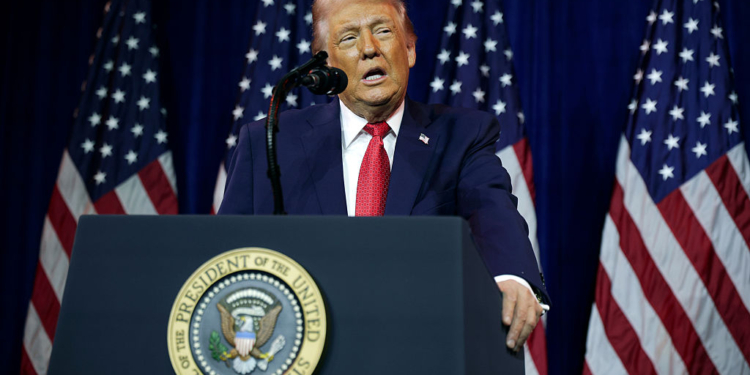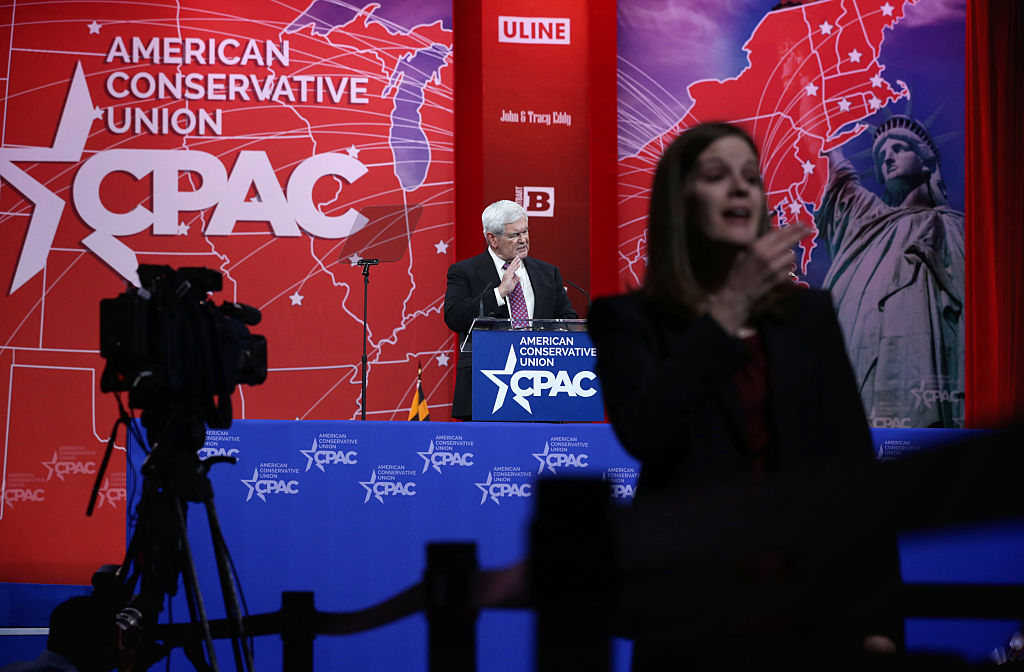
The Trump administration is facing legal challenges after discontinuing real-time American Sign Language (ASL) interpretation at various official events. This decision has raised significant concerns among disability advocates about the accessibility of government information for deaf and hard-of-hearing Americans. Advocates argue that this removal hinders civic participation and violates the mandates of federal disability law, which requires reasonable accommodations to ensure public access, especially during live announcements concerning public safety, health, and governance.
Disability advocates are voicing their frustrations, highlighting that the absence of ASL interpreters is not just a matter of preference but a critical requirement under the Americans with Disabilities Act. In a society not designed with disabled individuals in mind, they argue that accommodations such as ramps, captions, readable fonts, and interpreters are essential for equal participation in civic life.
Legal Pressure on the Administration
The administration’s decision aligns with a broader trend where accessibility issues have become increasingly politicized. Recently, Senator Marco Rubio criticized the use of the “Calibri” font in federal documents, labeling it as “woke,” despite its utility in enhancing readability for individuals with visual impairments.
A federal judge has already ruled that ASL interpretation must be provided at events with prior notice, intensifying scrutiny on the administration. As the legal battle unfolds, advocates express concern that accessibility is being perceived as an inconvenience rather than a fundamental civil right. This shift could have implications that extend beyond a single White House briefing, affecting various sectors and communities across the nation.
A Call for Understanding and Compliance
Disability advocates emphasize the need for a deeper understanding of why such accommodations are essential. They argue that dismissing accessibility measures reflects a broader misunderstanding of the challenges faced by individuals with disabilities. The ongoing discussions highlight the importance of creating an inclusive environment that respects the rights of all citizens.
As the legal challenges progress, the outcome could set a significant precedent for how accessibility is approached in government communications. Advocates remain vigilant, pushing for compliance with existing laws that protect the rights of disabled individuals and ensure that civic engagement remains open to everyone.
The ongoing discourse around ASL access at White House events is a critical reminder of the need for continued advocacy and awareness regarding disability rights. The ramifications of these decisions extend far beyond the political arena, underscoring the necessity for an inclusive society that acknowledges and addresses the needs of all its members.