The U.S. Department of Agriculture has just ramped up wildfire preparedness with new directives from Agriculture Secretary Brooke Rollins aimed at strengthening the country’s defenses before the critical 2026 fire season.
In a powerful memo issued from Rapid City, South Dakota, Rollins ordered the Forest Service to enhance training, boost staffing levels during peak fire periods, and streamline contracting to speed up wildfire operations across the nation. This comes as wildfire risks continue to threaten communities not only in Colorado but throughout the Western states and across the country.
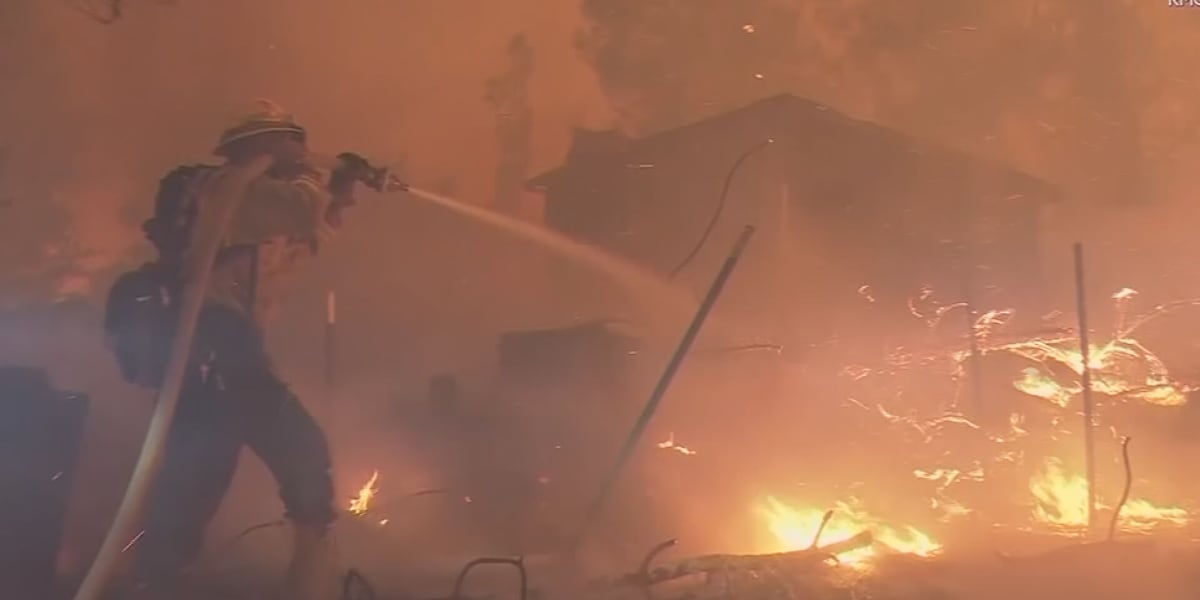
The guidance mandates keeping firefighting personnel fully trained and deployable around the clock, while aggressively expanding the workforce during intense fire activity. Additionally, the USDA is pushing for improved interagency coordination and expanded use of prescribed burns—a controlled technique to reduce dangerous fuel buildup and curb massive wildfires.
Massive Resources Mobilized for 2026 Wildfire Season
USDA officials emphasize this upgrade builds on reforms introduced last year, ensuring a more robust and unified wildfire response. Forest Service Chief Tom Schultz underscored the importance of collaboration across federal, state, and local agencies, highlighting that protecting lives, property, and firefighters stands as the top priority heading into 2026.
The Forest Service will enter the season ready to deploy more than 28,000 responders, supplemented by tens of thousands of contractors from roughly 2,500 vendors. The department also controls the bulk of the federal firefighting aviation fleet, including critical helicopters and airtankers vital for rapid wildfire suppression.
“Wildfire response is a collective responsibility,” Schultz said, stressing that crews are trained and equipped to defend communities and safeguard frontline firefighters in one of the busiest fire seasons expected in years.
Why This Matters Now
Colorado and neighboring states have increasingly experienced longer, more destructive wildfire seasons that strain local resources and threaten millions of residents. The USDA’s recent push to boost staffing, accelerate prescribed burn programs, and improve operational efficiency directly addresses these escalating risks.
With climate-driven wildfire threats intensifying, this proactive stance is designed to minimize devastating impacts on vulnerable communities and critical infrastructure.
Looking Ahead
As the 2026 fire season approaches, the USDA’s strengthened wildfire preparedness plan sets a new standard for readiness and resilience nationwide. Officials warn that despite these bolstered efforts, unpredictable weather and environmental conditions mean residents must stay vigilant and prepared.
Communities from Denver to Boulder and beyond should expect visible increases in forest management activities, including expanded prescribed burns aimed at reducing future fire threats. Meanwhile, federal and state agencies plan to maintain constant readiness levels, with frequent training refreshers and rapid deployment capabilities.
Stay tuned to The Colorado Daily for continuous coverage on wildfire developments and preparedness updates as conditions evolve heading into the 2026 fire season.
Brooke Rollins, USDA Secretary: “Protecting the public and our firefighters remains our highest priority—we are fully committed to strengthening wildfire response now more than ever.”