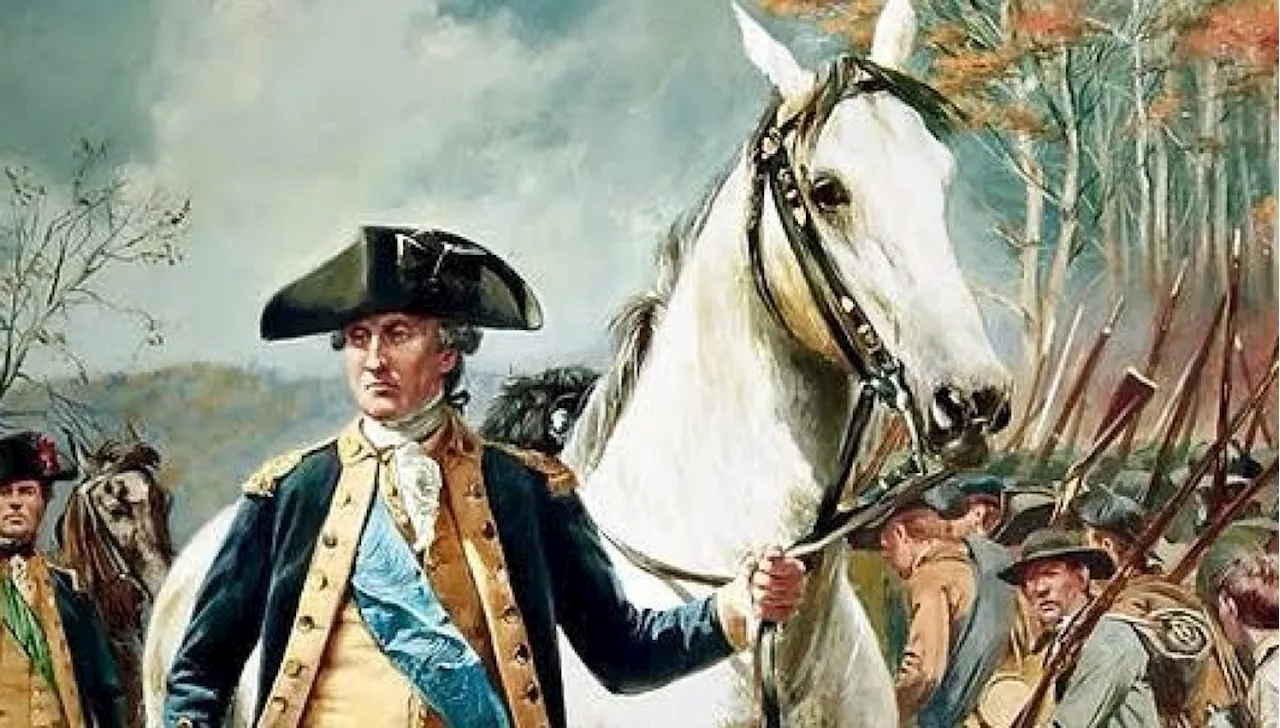
UPDATE: In a decisive move, George Washington and his officers have just confirmed the start of military action in South Boston, with artillery set to bombard the city within 48 hours. This urgent order follows strategic assessments of the tides and the imminent threat posed by the British forces potentially taking control of Dorchester Neck.
Washington, weighing all options, has communicated his plan to Maj. Gen. Artemas Ward, urging immediate preparations for an assault. “After weighing all Circumstances of Tide &ca—& considering the hazard of having the Posts on Dorchester Neck taken by the Enemy,” Washington stated in his correspondence, “the Gentlemen here are of Opinion that we should go on there Monday Night.”
The American strategy involves opening fire on Boston from Lechmere Point in Cambridge, rather than from Dorchester Heights, which indicates a stealthy maneuver to surprise the British. In the next few days, General John Thomas will lead thousands of troops toward Dorchester Heights, transporting cannons and supplies under the cover of darkness.
These cannons, nearly two dozen in total, were famously transported from Fort Ticonderoga by Henry Knox, a bookseller turned military leader. Knox’s remarkable journey took over 50 days through the harsh New England winter, showcasing the determination and resourcefulness of the Continental Army.
As preparations intensify, this bold move by Washington represents a significant turning point in the Revolutionary War, aiming to establish a strategic advantage over British forces that have long occupied Boston. The stakes are higher than ever, with the outcome of this operation potentially altering the course of the conflict.
Stay tuned for further updates as this developing story unfolds, and prepare for possible repercussions that could impact both the military landscape and civilian life in Boston. This military action underscores the growing urgency of the fight for independence, as the brave men and women of the Continental Army stand ready to risk everything for their cause.