UPDATE: Delaware’s foster care system is facing an urgent crisis, with approximately 470 children currently in care and a severe shortage of homes for teenagers. Many of these vulnerable youths are left in temporary placements, while others age out of the system without the stability they desperately need.
Authorities confirm that the demand for foster homes is growing, particularly in Sussex County, where the search for suitable placements has become increasingly difficult. “Teenagers are a population that we need more families for,” stated Trenee Parker, director of the Division of Family Services. The agency is actively seeking families willing to provide a nurturing environment for older youth who often come with histories of trauma.
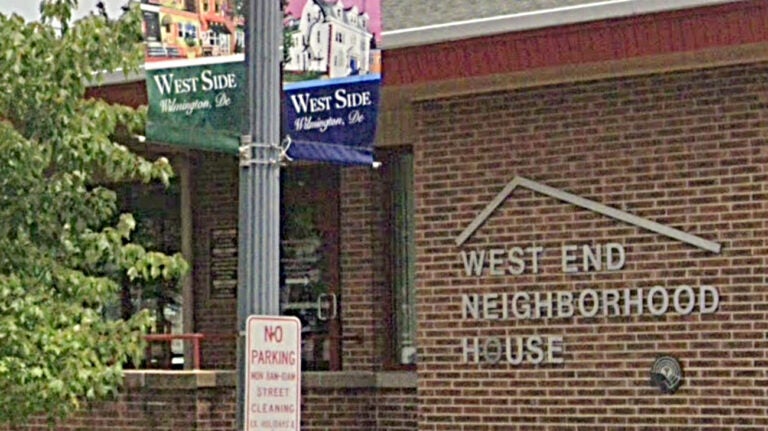
Every day, children enter the system for various reasons, and West End Neighborhood House is stepping up to address the immediate needs of those aging out. Their new Lifeline program offers support to youth aged 16 to 23 actively in foster care or those who have aged out. “We serve youth who are homeless and facing challenges,” said program director Stacy Shamburger, emphasizing the critical need for resources in this demographic.
As the crisis unfolds, the gap between the number of children in need and available foster homes continues to widen. Currently, there are about 35 foster families available, alongside 16 more in training. “We find that families prefer younger children, believing they can make a bigger impact,” noted Theresa Broome, program manager at Children & Families First. This trend is leaving older teens particularly vulnerable, as they often require more intensive support and care.
The urgency of the situation has prompted a community call to action. On December 2, 2023, WHYY News will host a Pop-Up Newsroom and Foster Care Resource Fair at West End Neighborhood House in Wilmington. This event aims to educate the public about foster care and adoption opportunities in Delaware, emphasizing the need for community involvement.
The challenges facing Delaware’s foster care system are compounded by a national housing crisis, making it increasingly difficult for young adults to find stable living situations once they age out. The Lifeline program not only provides housing but also essential guidance, helping youth navigate the complexities of adulthood. “18 to 23-year-olds are struggling with housing and employment,” Shamburger explained, showcasing the immediate relevance of this support.
Delaware’s Tuition Waiver Program offers a glimpse of hope, allowing former foster youth to attend state universities without the burden of tuition fees. “This program has helped about 40 students since its launch in 2022,” said Parker, underlining the importance of educational support for those transitioning out of foster care.
As state agencies and community organizations strive to fill the gaps, leaders stress that the responsibility cannot rest solely on the government. “It takes a village to ensure our youth are cared for,” Parker emphasized, urging community members to consider ways they can support foster youth through sponsorships or mentorships.
With the crisis intensifying, the need for immediate action is clear. The upcoming resource fair is a crucial opportunity for families to learn more about fostering and adopting, including how they can make a meaningful difference in the lives of Delaware’s most vulnerable populations.
Stay tuned for updates as this situation develops, and consider attending the resource fair to contribute to the solution. The future of Delaware’s youth depends on community engagement and support.