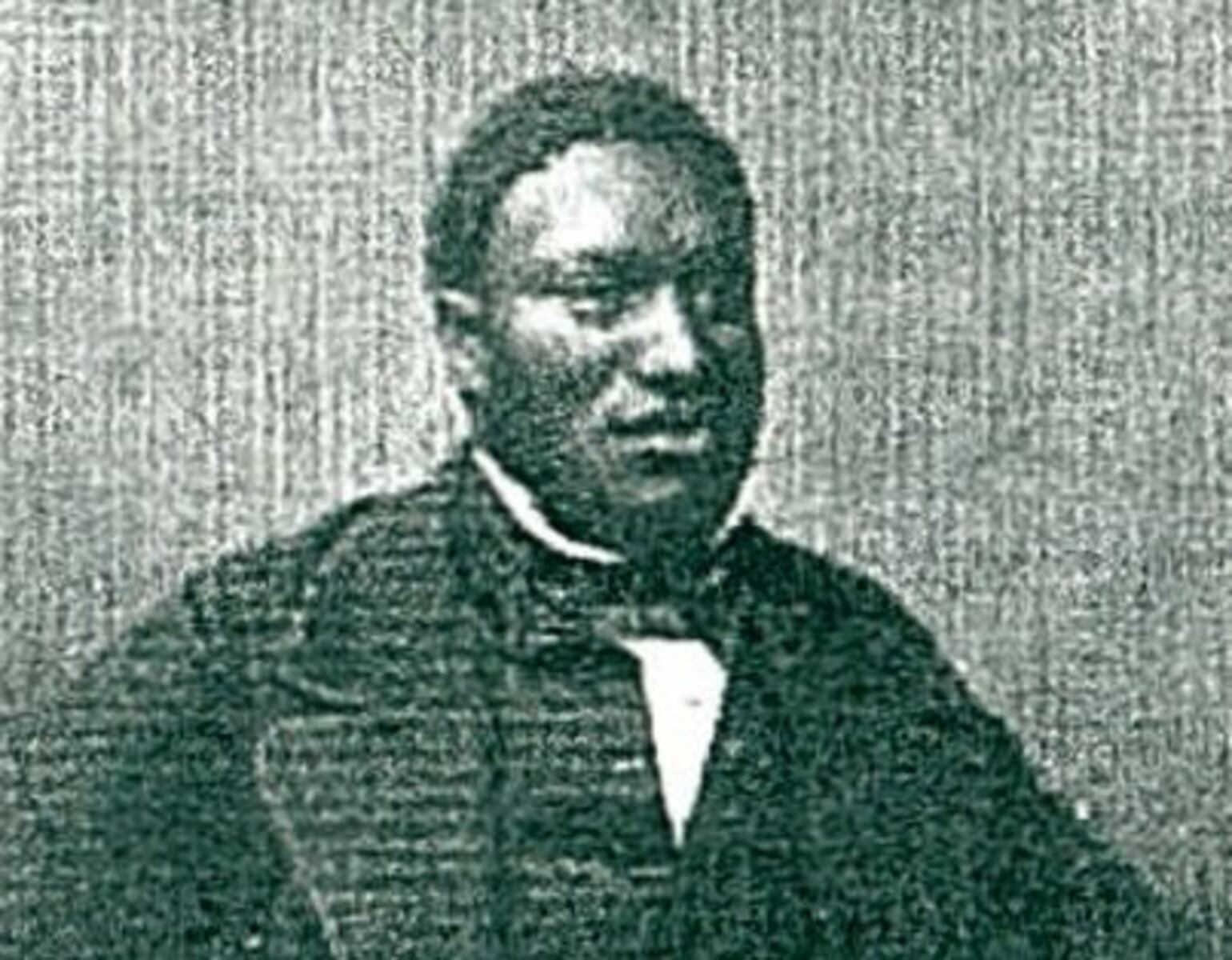
UPDATE: The legacy of Syracuse abolitionist Samuel Ringgold Ward is being urgently revived as awareness grows about his significant contributions to the anti-slavery movement. Once hailed by Frederick Douglass as “the ablest Black man the country has ever produced,” Ward’s remarkable life and activism are gaining attention, highlighting the importance of remembering forgotten heroes in the fight for freedom.
New reports confirm that Ward, born into slavery on October 17, 1817, in Maryland, escaped to become a pivotal figure in the abolitionist movement. His extraordinary journey began when he fled to New Jersey with his family, ultimately finding refuge in New York City, where he attended the African Free School. Ward’s story is unfolding as historians and advocates work to bring his contributions to light.
Ward’s time in Central New York during the 1840s and early 1850s was marked by significant achievements, including the publication of one of America’s earliest Black newspapers, The Impartial Citizen, which advocated for racial pride and abolitionism. Launched on February 14, 1849, the paper aimed to uplift the Black community and challenge systemic racism. “We shall be an elevated people, in spite of all the proslavery Negro-hate,” Ward declared.
His activism reached a critical peak during the dramatic events of the Jerry Rescue on October 1, 1851, in Syracuse. Ward stood before a crowd of 2,500 people at Clinton Square, calling for action against the oppressive Fugitive Slave Act. “Fellow citizens! We are witnessing such a sight as, I pray, we may never look upon again. A man in chains, in Syracuse!” he proclaimed, urging the crowd to take responsibility for the laws that enabled such injustices.
Ward’s powerful rhetoric and leadership inspired the crowd, leading to a successful rescue of William Henry, nicknamed “Jerry,” from the clutches of slavery. This event marked a pivotal moment in the abolitionist movement, showcasing the strength of community action against oppression.
As efforts to revive Ward’s legacy gain momentum, it is crucial to recognize the impact of his work and the broader implications for today’s fight against systemic racism. Historians emphasize that understanding figures like Ward is vital for current and future generations.
Ward later moved to Canada, continuing his advocacy for abolition and becoming a leading voice in the newly formed Antislavery Society of Canada. His memoir, “Autobiography of a Fugitive Negro,” published in London in 1855, detailed his experiences and the horrors of slavery, yet he passed away in 1866, largely forgotten.
The revival of Samuel Ringgold Ward’s story serves as a powerful reminder of the sacrifices made for freedom and equality. As discussions about racial justice continue, his life exemplifies the enduring struggle against oppression. Community leaders and historians are calling for renewed recognition of Ward’s contributions to ensure his legacy endures.
As the movement to remember Samuel Ringgold Ward gains traction, those interested in social justice are urged to explore his life and impact. The fight for equality is ongoing, and understanding the past is essential to shaping a more just future.
Stay tuned as more information emerges about this vital figure in American history.