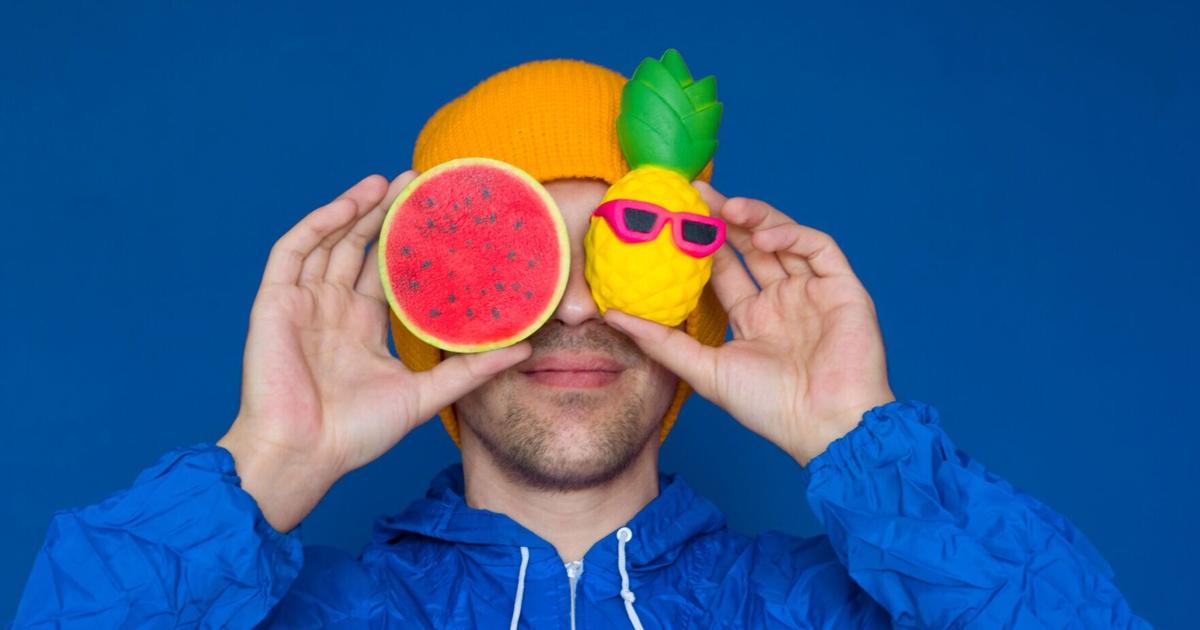
Trinket Trend Surges Across U.S. with Gen Z at the Helm
The “trinket trend” — collecting small toys and accessories like Owala bottles, NeeDoh squishies, and Jellycat plushies — is rapidly spreading across American homes, including in Colorado, driven largely by Gen Z’s appetite for affordable, feel-good purchases amid economic uncertainty.
According to MaryLeigh Bliss, chief content officer at youth research firm YPulse, more than half of Gen Zers lack confidence the economy will improve this year. Facing soaring living costs and a difficult job market, many are turning to inexpensive “little pieces of joy” to manage stress.
“It’s not necessarily that huge splurge, but the more consistent purchases, that they can have that little dopamine hit to kind of get through the weeks,” Bliss explained at the recent National Retail Federation’s State of Retail & the Consumer event. Trinkets, priced as low as $5 for NeeDoh squeeze toys and around $15 for Funko POP! figures, fit the bill perfectly.
A Nationwide Craze with Broad Appeal
The trend isn’t limited to Gen Z. Kids from Gen Alpha are fueling demand for sensory toys, while many adults engage in “kidulting,” collecting toys and accessories traditionally aimed at children for comfort and nostalgia. Google searches for terms like “NeeDoh” exceed 90,000 monthly, with “squishies” and “sensory toy” hitting record highs.
Licensed mental health counselor Kiki Jacobson in Wilmington, North Carolina noted trinkets also offer significant emotional benefits. “They help relieve stress and provide sensory regulation particularly for people with ADHD or autism,” she said. Collecting and trading trinkets fosters community bonds among kids and adults alike.
In Colorado, parents report similar experiences: kids trading keychains at school and clutching small toys during daily routines are common sights as the trend takes hold locally.
Costs and Clutter Pile Up as Collecting Escalates
Despite the joy they bring, trinkets have downsides. Many families face mounting piles of cheap toys — from dinosaurs to fruit-shaped bag charms — cluttering homes and creating ongoing stress amid sibling squabbles and clean-up headaches.
More concerning is the soaring demand for certain brands like Labubu monsters and NeeDoh cubes, which have sparked resale markets where items fetch hundreds or thousands of dollars, far beyond retail prices. The affordability barrier that first fueled the trend is eroding as scarcity drives up costs.
Parents also warn of the practical downsides: lost keys, toys destroyed in laundry, and messes like exploded water beads from popped squeeze toys have turned the trend into a household headache for some.
Experts Urge Caution as Charms of the Trend Grow
To engage without regret, experts recommend pacing purchases and setting clear boundaries. “Buy trinkets because you genuinely like them, not because they’re viral,” said Jacobson. A spending limit and avoiding credit or buy-now-pay-later schemes can help maintain control over both finances and clutter.
Alternatives for budget-conscious collectors include buying lower-cost knockoffs or swapping items through local trade groups or community events, which are gaining popularity in Colorado neighborhoods and beyond.
As the trinket trend continues to surge, it’s reshaping how Americans—across generations—find joy and connection amid ongoing economic challenges, while also testing the limits of household budgets and patience.
For Colorado families and U.S. consumers alike, this small-item cult is proving big in impact — a modern collectible craze unfolding right now.