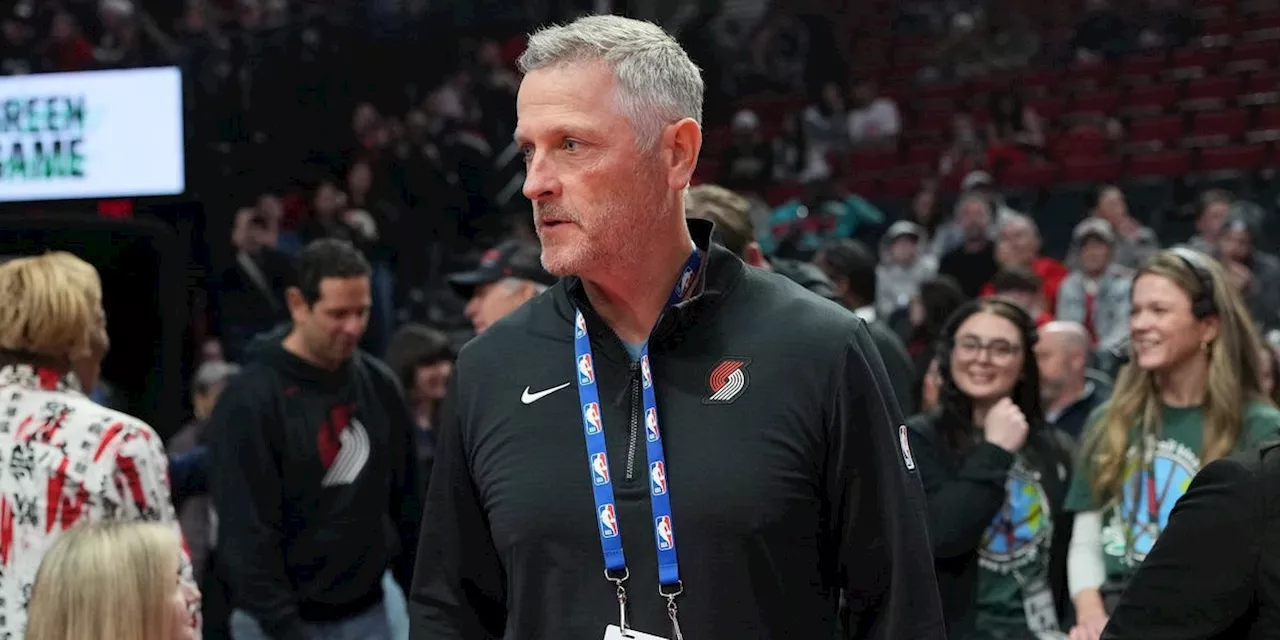
Portland Trail Blazers owner Tom Dundon is shaking up the NBA’s business culture with aggressive cost-cutting moves that have ignited criticism from players, coaches, and fans as the team fights for a playoff spot. Dundon, who led the $4.25 billion purchase of the franchise in March, is imposing a strict “grindset” approach that strips back many perks traditionally enjoyed by NBA teams.
Despite the Blazers making their first NBA playoff appearance in five years following a recent Play-In tournament victory, new reports reveal that Dundon’s measures include barring two-way players from traveling with the team, ending late hotel checkouts for non-players and staff, and removing fan giveaways like free T-shirts at playoff games. The strategic tightening contrasts sharply with the era under former owner Paul Allen, whose lavish spending famously extended to private jets, yachts, and even car detailing for players during practice.
Billionaire Owner’s Frugal Moves Stir Controversy
Dundon’s reputation as a hard-nosed businessman stems from his fortune built in subprime auto loans, and he has applied similar cost-cutting when buying the NHL’s Carolina Hurricanes in 2017, leading them to consistent playoff results after a prolonged drought. But NBA insiders question if that blueprint will work in the league known for high-profile player perks.
Interim head coach Tiago Splitter reportedly expressed concerns about a tightened schedule for staff, worrying whether essential services like massage therapy had adequate time before critical playoff games. Even fans attending high-stakes contests noticed the cost-saving difference, especially as opposing teams like the San Antonio Spurs distributed color-coordinated playoff shirts.
The changes drew public commentary from NBA Commissioner Adam Silver, who defended Dundon while acknowledging the unique situation. On the podcast “Pardon My Take,” Silver noted,
“You gotta remember, this is a guy who just won a bidding war, call it $4.5 billion to buy a team, and they’re calling him cheap.”
Silver praised Dundon’s business mindset and highlighted his success with the Hurricanes as evidence he “knows what he’s doing.”
NBA’s Evolving Ownership Pressures
The shift toward financial caution among NBA owners also reflects a broader league trend. Billionaire Mark Cuban of the Dallas Mavericks, known for his extravagant player perks and high-end amenities, told Business Insider that franchise valuations ballooning into billions has dramatically reshaped the business model.
Cuban said,
“In an era where teams cost billions and require investors and even private equity, we are far from the world when I bought the Mavs and wrote the check by myself. I could cover the losses.”
He added that pressures now force owners to push for teams to break even financially to remain competitive and consider paying luxury taxes.
While Dundon’s methods diverge from the once-player-centric culture of his predecessor, the billionaire remains deeply invested in basketball’s success. Cuban affirmed this sentiment, saying Dundon “knows basketball” and “loves the game,” making him a valuable asset for the Trail Blazers moving forward.
What’s Next for Portland and the NBA?
As the Trail Blazers continue their playoff run, all eyes will be on whether Dundon’s stringent business approach translates into sustained success on the court or further backlash from players, staff, and fans. The evolving ownership landscape in professional sports underscores the tension between financial discipline and the high expectations of NBA culture.
For Colorado and sports fans across the US watching the Blazers’ journey, the unfolding story offers a glimpse of how billion-dollar investments are transforming team management — often at the cost of tradition and comfort.