School Gardens Transform Environmental Attitudes and Science Learning Nationwide
New findings from horticulture experts reveal school gardens are sparking immediate shifts in how students across the U.S. view agriculture, science, and the environment, creating more engaged learners ready to tackle real-world challenges. Specialists emphasize that these hands-on green classrooms offer benefits well beyond teaching children how food grows—it’s an urgent tool reshaping education nationwide.
Veteran science educator Shelley Mitchell of Oklahoma State University highlights how disconnection from agriculture has soared over generations. Once, 80% of Americans lived on farms; now fewer than 2% do. This growing gap means most students don’t understand where their food comes from or how the environment and economy intersect, threatening future food and environmental literacy.
Mitchell’s firsthand experience in rural Oklahoma schools showed a startling lack of agricultural knowledge among students despite living in farm-dominated regions. “Students asked why I glued cotton balls to a stalk, demonstrating their unfamiliarity even with common crops,” she notes. This gap propelled her dedication to integrate gardening directly into science education, bringing abstract concepts to life.
Gardens Drive Active, Engaging Learning That Lasts
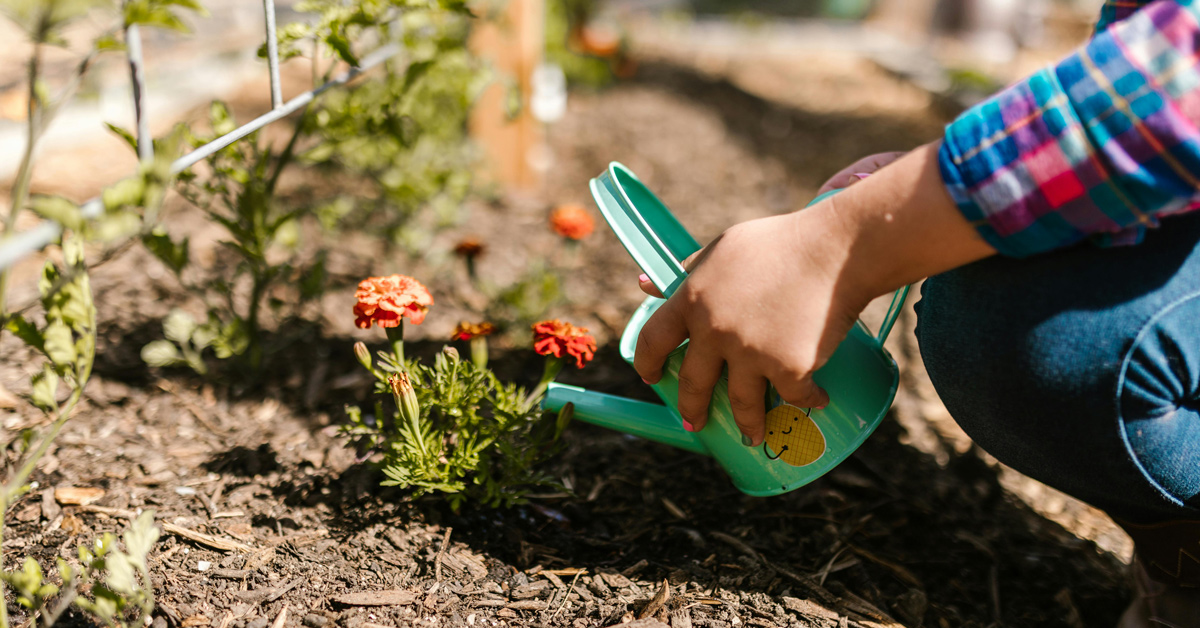
Studies confirm school gardens decrease sedentary time dramatically—children sit 84% of classroom time versus just 15% in the garden—while boosting curiosity, science literacy, teamwork, and responsibility. Gardening acts as a dynamic science experiment with variables like sun exposure and watering that students manage themselves, improving their science process skills and critical thinking.
Importantly, students involved in gardening develop more positive attitudes toward science and the environment. Research shows that when kids have freedom to explore and experiment, school attitudes improve and active outdoor lifestyles increase.
“Growing food personally also drives healthier eating habits, with students more willing to consume vegetables they nurture,” Mitchell explains. This hands-on experience fosters respect for farmers amid complex economic and political food systems, essential knowledge as most Americans live far removed from agriculture today.
Education Agencies Take Note; Challenges Remain
The U.S. Department of Agriculture recognized this disconnect decades ago, creating a task force in 1981 to combat agriculture illiteracy. This led to the National Agriculture in the Classroom program, supporting educators with lessons and tools to bring farming knowledge and gardening into schools nationwide.
Despite proven benefits, barriers persist. Teachers often lack time, funding, or confidence to implement gardening programs, especially when schools prioritize test scores over hands-on science. Limited space and misconceptions about the messy reality of gardens also complicate adoption.
School administrators sometimes resist gardens due to concerns about aesthetics and maintenance, but experts stress messiness is part of authentic learning. Students gain resilience by observing consequences and adjusting their gardening techniques firsthand. Without this trial-and-error, the value of experiential learning diminishes.
Colorado and Beyond
While this research unfolds nationally, Colorado schools with available space are uniquely positioned to embrace gardening initiatives thanks to strong community support for sustainability and farm-to-table education. Gardens can complement Colorado’s agricultural heritage while bridging urban-rural divides, preparing students for a future shaped by climate challenges and food security concerns.
Local educators and policymakers should watch how garden programs translate to improved science scores, reduced childhood obesity, and deeper community connections. As Mitchell urges, “Integrating gardens into schools is critical to cultivating environmentally conscious, scientifically literate citizens who appreciate the food systems sustaining them.”
What’s Next?
Schools and districts nationwide are urged to invest in garden programs immediately, leveraging existing federal and state resources to support educators. Meanwhile, communities can step in with volunteer support and funding to overcome barriers that hinder garden success. The growing momentum signals a shift in how America’s youth will engage with science and the environment—right now.
The Colorado Daily will continue tracking education innovations that empower Colorado’s youth with the environmental knowledge and science skills vital for the coming decades.