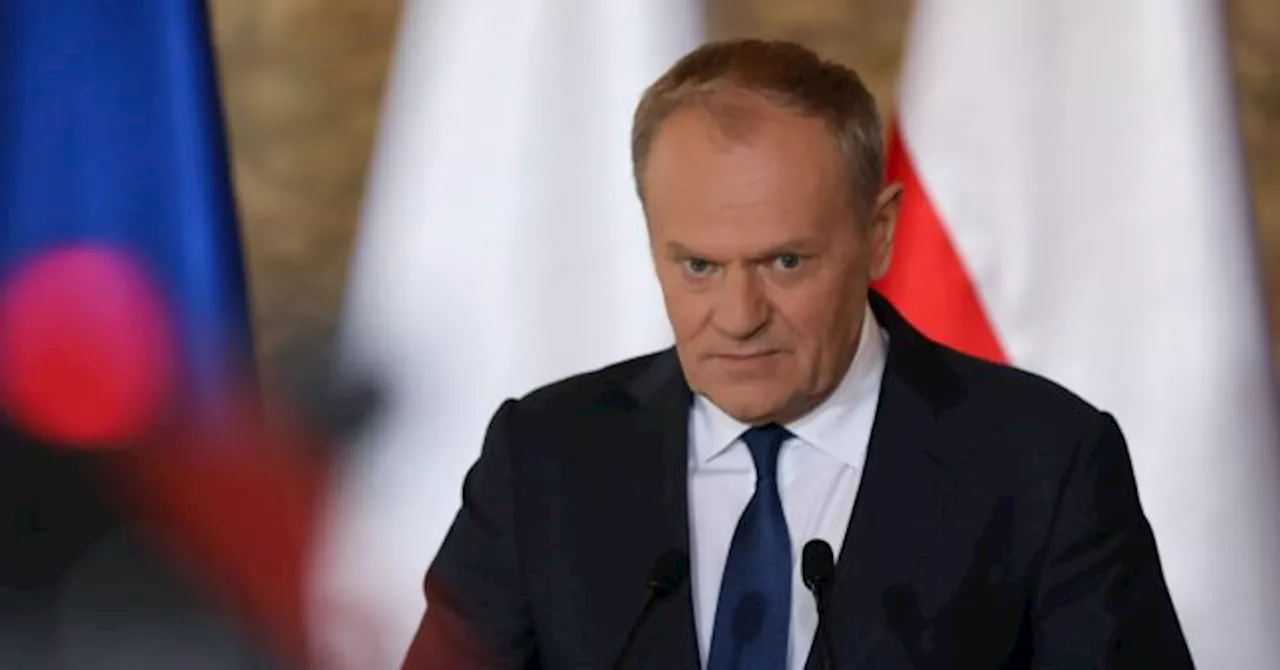
Polish Prime Minister Sounds Alarm Over NATO’s Stability Amid U.S. Troop Drawdown
Polish Prime Minister Donald Tusk issued a stark warning that the NATO alliance faces possible “disintegration” following the U.S. decision to reduce troop numbers in Germany. The Pentagon announced plans to relocate around 5,000 American soldiers from German bases over the next year as part of a broader strategic shift in U.S. military deployment in Europe.
The troop drawdown in Germany marks a significant shift in transatlantic defense posture, raising alarm bells in European capitals. President Donald Trump indicated on Saturday that the number of troops leaving Germany could be even higher, though exact figures remain undisclosed. Trump also hinted at possible withdrawals from other NATO countries including Italy and Spain, accusing them of disloyalty regarding the Iran conflict.
Tusk Questions U.S. Commitment to Europe, Warns of Alliance Breakdown
Although the U.S. has not proposed reductions in Poland, where approximately 8,500 troops currently serve, Tusk emphasized that NATO’s unity is at critical risk. He stated,
“The greatest threat to the transatlantic community are not its external enemies, but the ongoing disintegration of our alliance. We must all do what it takes to reverse this disastrous trend.”
Tusk openly questioned America’s loyalty to European defense guarantees under NATO’s Article 5, the mutual defense clause, stating his doubts about whether the U.S. would respond if Europe came under attack. Despite repeated reassurances from President Trump affirming U.S. commitments, Tusk expressed serious reservations:
“The biggest, most important question is if the United States is ready to be as loyal as it is described in our treaties. I want to believe that is still valid, but sometimes, of course, I have some problems.”
European Defense Plans Gain Momentum Amid NATO Uncertainty
The uncertainty surrounding U.S. troop deployments has fueled discussions among European leaders about beefing up the continent’s own defense capabilities. Tusk, formerly the head of the European Council, has been actively advocating for a stronger EU military structure, separate from NATO, including the idea of a dedicated European army.
He recently met with French President Emmanuel Macron to explore new security initiatives, including potentially stationing French nuclear weapons in Poland and other parts of Europe. Macron is actively pursuing legacy-defining defense policies during his final term and has engaged with Germany and other key NATO members on these options.
Meanwhile, Germany plans to build the strongest European military force by 2039, aiming for 460,000 combat-ready troops. However, Berlin faces ongoing challenges meeting recruitment and funding goals, adding to European security concerns as U.S. involvement appears to wane.
What’s Next for NATO and U.S.-European Relations
The U.S. troop realignment raises immediate questions about transatlantic security amid rising global threats and the volatile situation in the Middle East. European allies are watching carefully as Washington recalibrates its military footprint, leaving some partners uncertain about future American support.
Colorado readers can track further developments, especially as shifts in NATO and U.S. military policies could impact global stability and American defense commitments, potentially affecting broader U.S. strategic interests.
For now, Prime Minister Tusk’s warning serves as a critical call to action for NATO members to bridge divisions and reaffirm their collective defense commitments before the alliance’s cohesion unravels.