The Netherlands is scrambling to arm and train a flood of new military reservists following a surge in volunteer enlistments triggered by Queen Maxima and Princess Amalia joining the ranks.
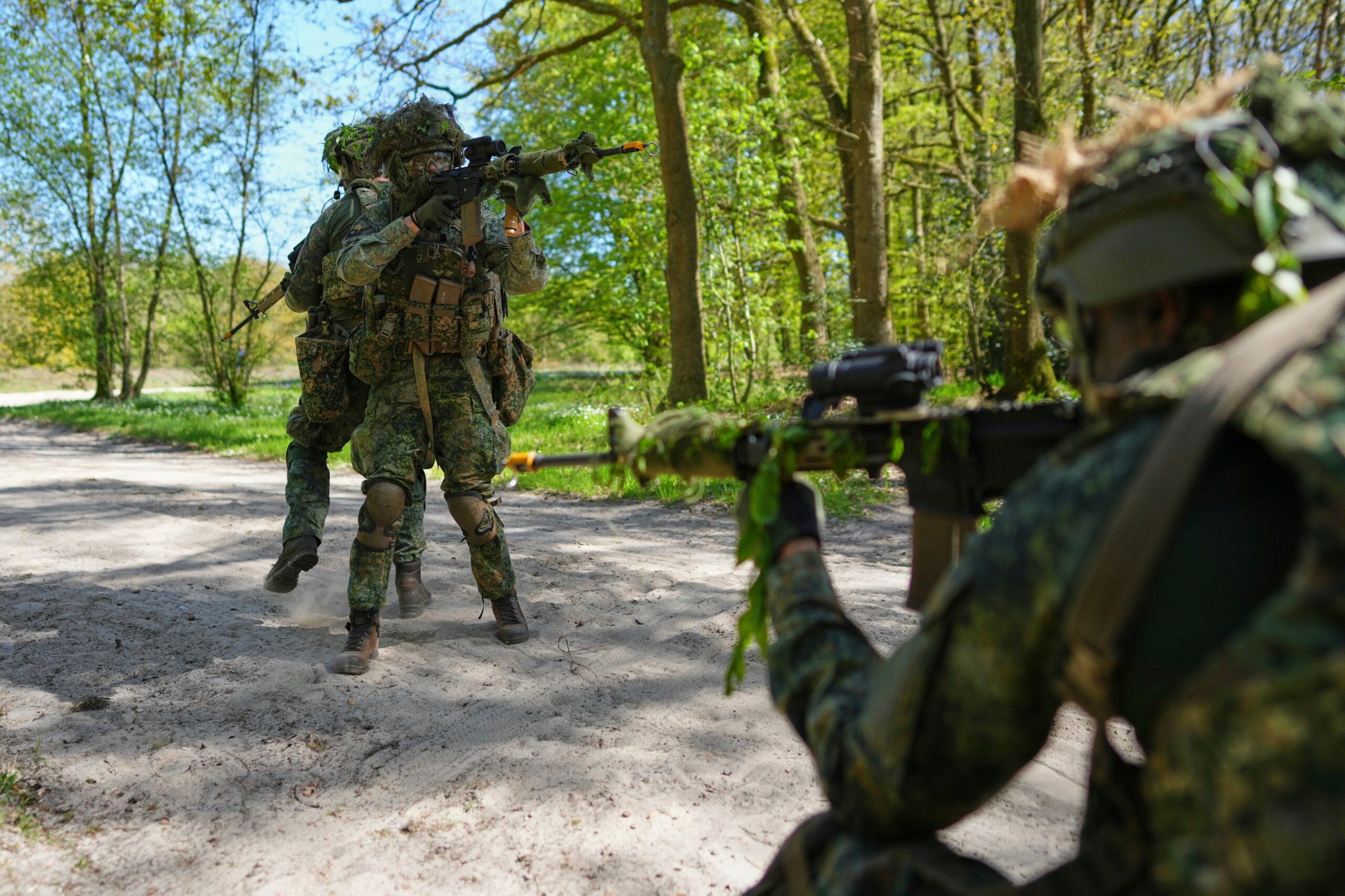
On weekend exercises in the forests of Havelte, Netherlands, reservists from the 10th Infantry Battalion Guard Security Corps National Reserve prepare to defend their nation amid an urgent military buildup. The Dutch government has committed to raising its armed forces from 80,000 to 120,000 personnel by 2035, with reservists a key focus.
This rapid expansion is driven by escalating security threats across Europe, especially from Russia’s ongoing war in Ukraine and fears that Russian President Vladimir Putin could mount new attacks in the coming years. NATO and the European Union have urged member states to prepare for intense, fast-moving warfare, increasing demand for mobile, well-equipped forces.
Royal Enlistments Spark Recruitment Surge
Recruitment efforts hit a new high after the Dutch queen and her heir, Princess Amalia, enlisted as volunteer reservists. Photos of Queen Maxima training with a pistol stunned the global press, creating what the Dutch Defense Ministry dubs the “Amalia effect.”
“It’s very inspiring to see how members of our royal family inspired people to join our armed forces,” said State Secretary for Defense Derk Boswijk.
Currently, the Netherlands has about 9,000 reservists, but officials aim to at least double that to 20,000 by 2030. However, the sudden surge in volunteers has created logistics challenges. The military must quickly provide uniforms, weapons, housing, and sufficient training for all new recruits — a problem Boswijk calls a “luxury problem.”
Broader European Military Expansion
The Netherlands’ drive mirrors moves across Europe. Germany is considering new incentives and flexible service schemes to bolster enlistments without reinstating mandatory conscription. France plans to recruit up to 3,000 volunteers starting this September with a goal of attracting 50,000 annually by 2035. Meanwhile, countries like Finland, Sweden, Denmark, and Latvia maintain various forms of conscription or selective drafts, reflecting the heightened tension in northern and eastern Europe.
The Netherlands suspended military draft call-ups in 1997 and has no immediate plans to reintroduce them, opting instead to focus on volunteer recruitment and offering diverse roles. The Defense Ministry emphasizes a broad range of needed skills beyond traditional infantry, including cyber defense and technological operations—“people wearing hoodies, having blue hair, who can game perfectly,” one official noted.
Changing Security Landscape Drives Shift in Priorities
For reservists like the corporal who spoke anonymously, the shift in global security has been stark. “When I first joined, there was almost no risk or almost no threat… and now it’s changing so we are more aware of it,” she said. The focus has shifted toward infantry and defense operations aimed at protecting vital infrastructure at home rather than just peacekeeping missions abroad.
This shift is underscored by the role of reservists in key domestic security tasks such as guarding last year’s NATO summit in The Hague and assisting in national emergencies like flooding.
A Nation Mobilizes With History in Mind
Many new recruits cite Dutch history as a powerful motivator. “In primary school, we were taught that in the Second World War it took German forces five days to take over Holland,” said Lisette den Heijer at a recent recruitment event. “I don’t want history to repeat itself.”
Deploying regularly on weekends with a commitment of at least 300 hours annually, reservists balance military duties with civilian jobs, exemplifying a growing national readiness posture addressing immediate threats.
With armed conflicts simmering in Europe and U.S. uncertainty about NATO’s future, the Netherlands’ rapid military expansion serves as a crucial reminder of the shifting global security environment. The combined force of royal influence and broad recruitment now pushes the country into a new era of defense urgency, setting a significant example for NATO allies, including the United States.