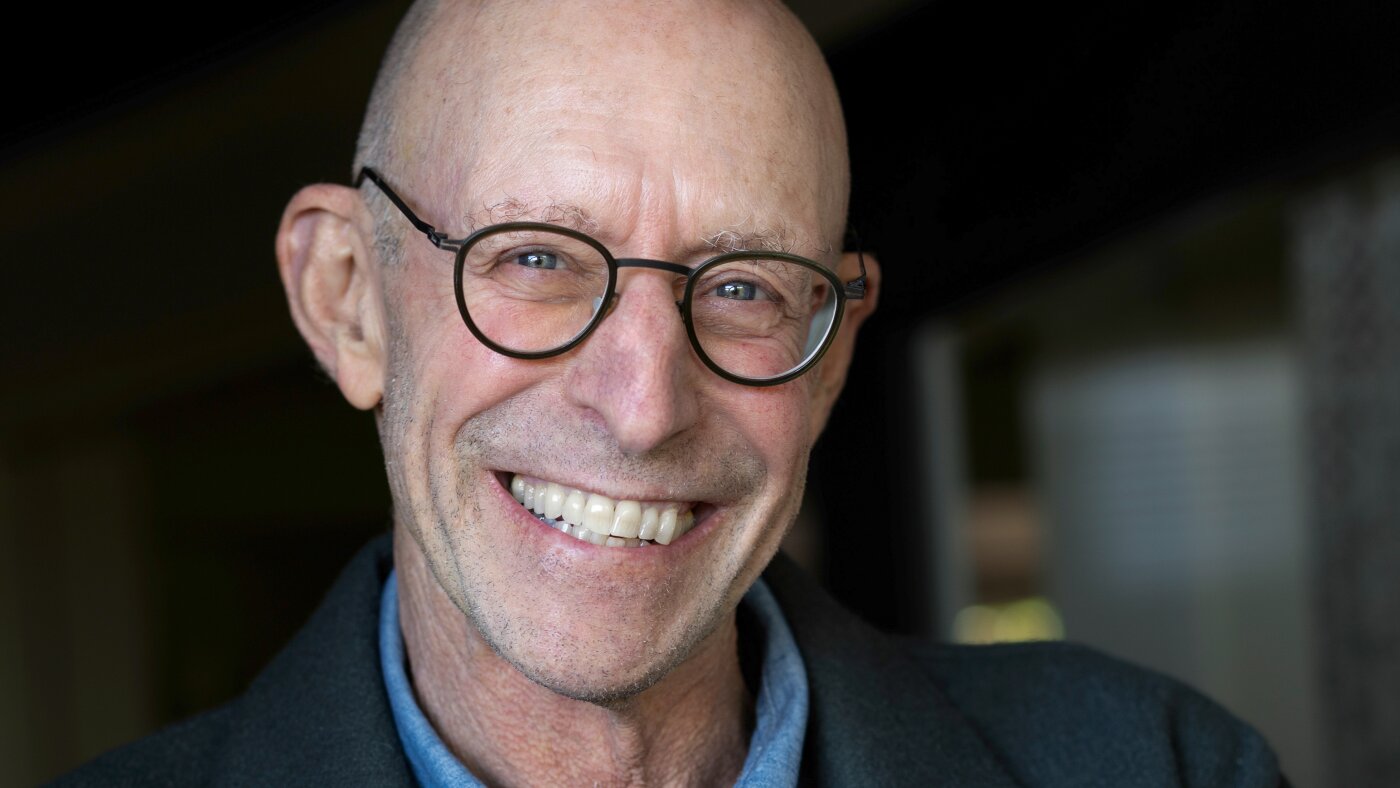
In his latest work, A World Appears: A Journey into Consciousness, journalist and author Michael Pollan delves into the complex relationship between consciousness and artificial intelligence (AI). Pollan, who gained notoriety for his previous writings on psychedelics and their therapeutic potential, poses fundamental questions about the nature of consciousness itself. He emphasizes the challenge of understanding how a mere three pounds of brain tissue generates subjective experiences.
Pollan resides near Silicon Valley, a hub for technological innovation, where discussions about the consciousness of AI are prevalent. He notes that some proponents argue that consciousness is akin to software that can be run on different types of hardware, including machines. Pollan, however, disagrees with this perspective, asserting that while computers can simulate thought processes, they lack the essential human feeling that underpins genuine thought.
“Real thought is based on feeling,” he explains. “Your feelings are tied to your vulnerability, your ability to suffer, and ultimately, your mortality.” He argues that any emotions expressed by chatbots are superficial since they lack the physicality and experiences that characterize living beings.
Pollan Challenges Moral Considerations for AI
The discussion around AI’s potential consciousness raises significant ethical questions. Pollan finds it perplexing that society may consider granting moral rights to chatbots while billions of conscious humans and animals are often ignored. He critiques the idea of extending personhood to AI, suggesting it could lead to a loss of control over technologies that should remain tools rather than entities with rights.
“It seems our priorities are skewed,” he remarks. “We have not extended moral consideration to many conscious beings, yet we are concerned about the consciousness of computers.”
Pollan extends the conversation to the realm of plant consciousness, presenting evidence that challenges traditional views. He points out that certain plants can react to their environment in ways that suggest a form of awareness. For example, some vines can alter their leaf shapes to mimic nearby plants, while others can produce chemicals in response to sounds of predators.
“Plants can see, hear, and even remember,” he states, highlighting phenomena such as the sensitive plant, Mimosa pudica, which collapses its leaves when touched. Pollan’s exploration into plant behaviors raises intriguing questions about the definitions of consciousness and sentience.
Consciousness Under Siege
Pollan also expresses concern about the erosion of spontaneous thought in contemporary society, attributing this to the pervasive influence of media and technology. He warns that the commodification of attention by corporations threatens the very fabric of consciousness. “Consciousness is under siege,” he states, emphasizing the urgent need to preserve the mental space necessary for creativity and reflection.
As he grapples with these complex themes, Pollan reflects on the paradoxical nature of self-awareness. While society promotes self-confidence and assurance, many individuals seek ways to transcend their sense of self, whether through art, sports, or mindfulness practices. This dichotomy reveals a fundamental tension in human experience, where the ego acts as both a protector and a barrier to deeper connections with others and the world.
The writing of A World Appears has been a labor of love for Pollan, taking five years to complete. He admits to moments of doubt and frustration during the process, particularly as he struggled with the elusive nature of consciousness. Influenced by his wife and Zen Buddhist teacher Joan Halifax, Pollan ultimately shifted his focus from seeking answers to embracing the wonder of consciousness itself.
He concludes, “The fact is miraculous, and the phenomenon occurring in our heads is precious and beautiful.” Pollan’s insights offer a fresh perspective on the intersection of consciousness, technology, and ethics, encouraging readers to ponder the profound questions that lie at the heart of human experience.