FOP Leader’s Racist Remark Ignites Controversy After Deputy’s Homicide Conviction
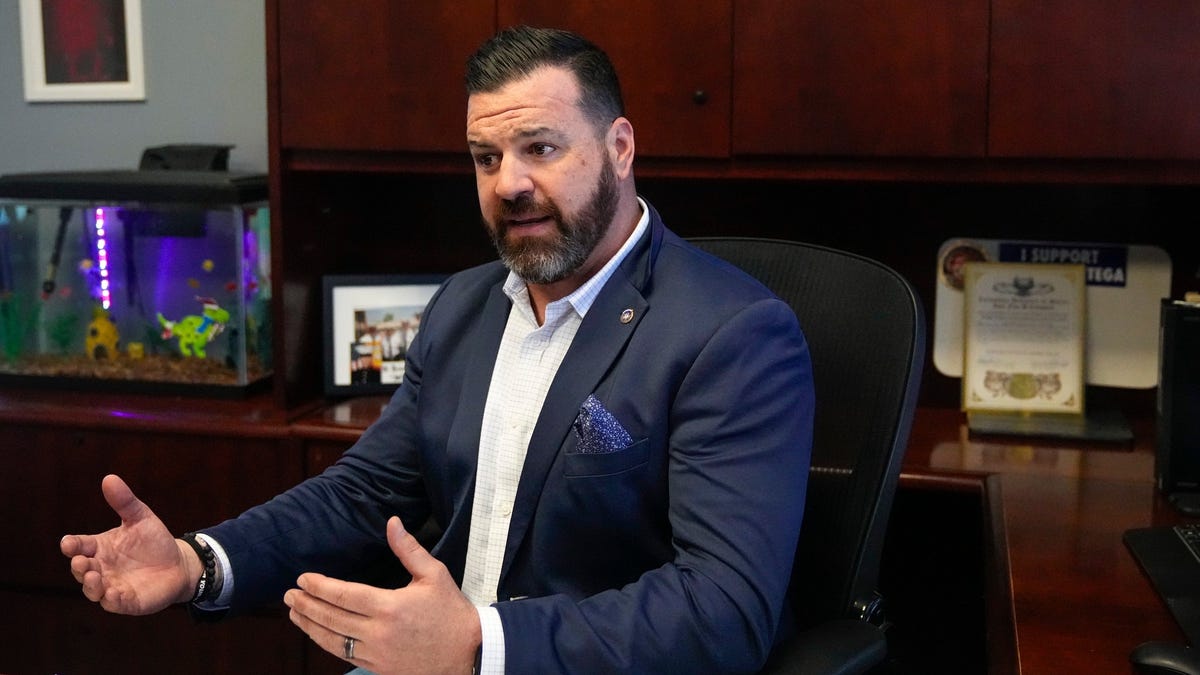
The community is reeling after Fraternal Order of Police (FOP) Capital City Lodge 9 President Brian Steel threw fuel on an already tense situation by labeling NAACP chapter president and attorney Sean Walton a “poverty pimp” in a “$3,000 suit.” Steel’s incendiary, racially charged comment has deepened divisions in the wake of a high-profile reckless homicide conviction.
Steel made the inflammatory statement shortly after former Franklin County Sheriff’s Office deputy Jason Meade was found guilty of reckless homicide in the shooting death of 23-year-old Casey Goodson Jr. in December 2020. While Meade’s conviction marks one of the few instances of accountability for police violence nationwide, Steel’s words suggest lingering resistance within law enforcement ranks to meaningful reform.
Conviction Sparks Mixed Emotions—And New Divides
The verdict against Meade, who fired multiple shots including five into Goodson’s back, has been met with relief by some supporters of the Goodson family. But as noted by Judson L. Jeffries, a professor at Ohio State University and contributor to the Columbus Dispatch, this is far from a sweeping victory for police accountability.
“This is the exception, not the rule, in an era where police officers rarely face consequences,” Jeffries said.
Jeffries criticized Steel’s remarks for echoing outdated, racist rhetoric that undermines progress and sows division rather than healing a fractured community. By dismissing Walton’s role with a derogatory label, Steel attacked not only an individual but also the racial justice efforts represented by the local NAACP leadership.
Polarizing Remarks in a Sensitive Moment
Steel’s statement that Walton is the single “winner” in the case was denounced widely as insensitive and inflammatory, coming at a time when unity is desperately needed in communities grappling with systemic racism and police violence.
The Goodson family’s loss is immeasurable, yet Steel also controversially included the Meade family among the “losers,” a point Jeffries argues obscures the responsibility Meade bears for his reckless actions.
Context of Rare Police Conviction Remains Key
Jeffries highlighted how uncommon it is for veteran officers to even discharge their weapons on duty, much less be convicted for the consequences. The Meade verdict is a stark reminder of the rare justice served in cases involving police misconduct, illustrating that the journey to true accountability remains long.
For Colorado readers and across the United States, this story echoes ongoing national debates about police reform, racial justice, and the language leaders use when addressing these charged issues.
What’s Next?
Steel’s remarks could deepen distrust between law enforcement and minority communities, potentially complicating efforts toward reconciliation. Meanwhile, advocates stress the need to focus on systemic solutions over divisive language.
The trial’s outcome and the reaction it sparked signal ongoing challenges for police accountability advocates nationwide as the country continues to reckon with racial disparities in law enforcement.
Stay tuned for updates as this story develops and as communities and leaders respond to the fallout from both the conviction and Steel’s controversial words.