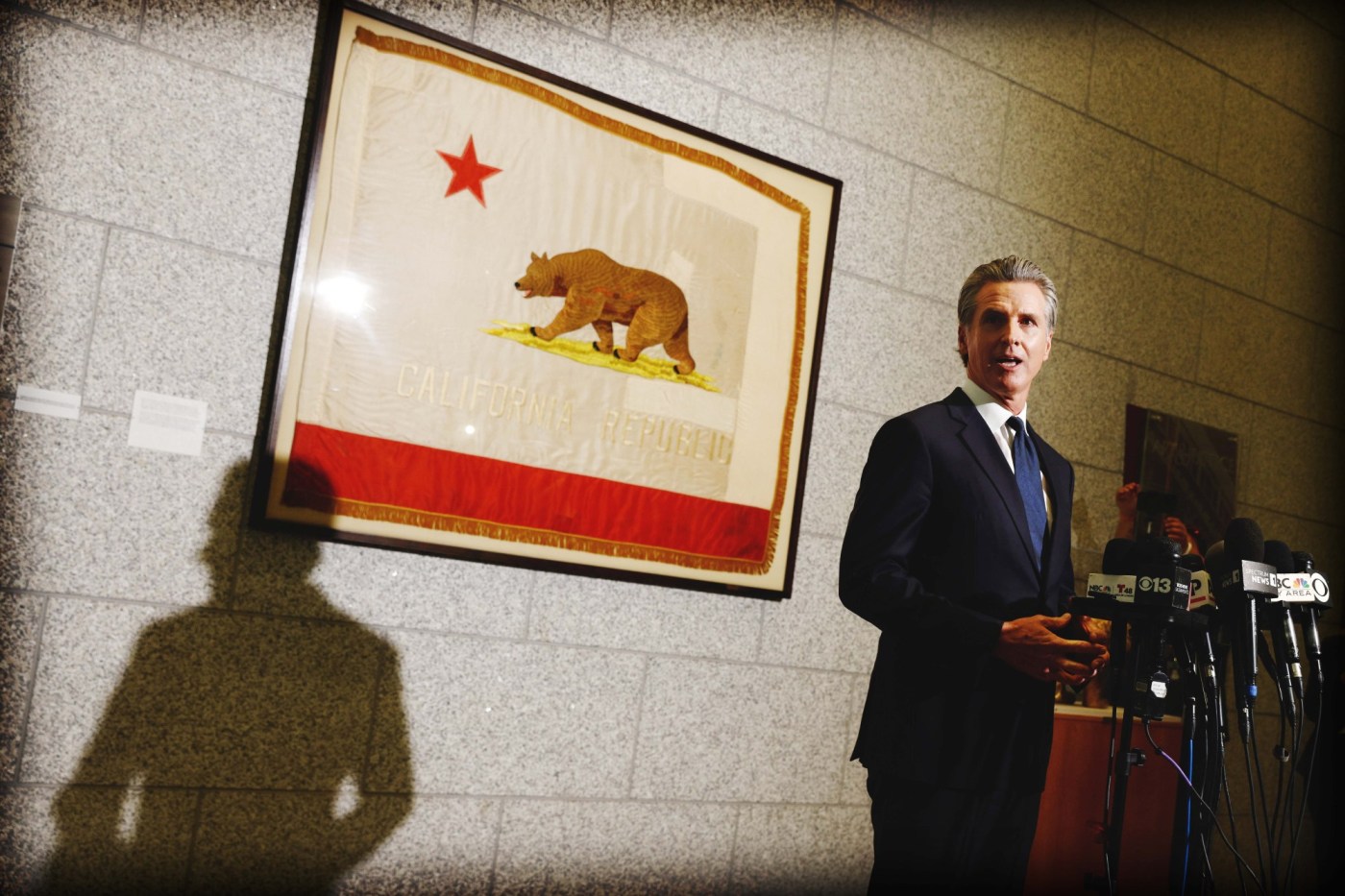
UPDATE: Tensions are skyrocketing between California Governor Gavin Newsom and state lawmakers during the first budget hearings of his final year in office. As legislators express growing frustration, Newsom’s proposed $349 billion budget for the 2026-27 fiscal year is already being labeled a mere placeholder.
The urgency for decisive action is palpable as the state faces looming budget deficits projected by Gabe Petek, the Legislature’s budget advisor. During last week’s hearings, Petek highlighted the critical need to address the forecasted deficit immediately, with discussions ranging from drastic spending cuts to potential tax increases. This development could have significant implications for California residents, with a potential impact on essential services.
Newsom’s relationship with lawmakers has morphed into a transactional dynamic, often leading to pushback from Democratic legislators who feel cornered by his demands. Their discontent was evident as they confronted the governor’s budget proposals, which many argue lack the necessary detail to guide effective fiscal decisions.
Amidst these tensions, state Sen. Caroline Menjivar criticized one of Newsom’s health care initiatives, calling his proposal to scale back Med-Cal benefits for undocumented immigrants “barbaric.” She emphasized the need for a balanced approach that includes both strategic cuts and a reevaluation of revenue streams. “We can’t just cut our way out of it,” Menjivar stated, reflecting the frustration echoed by her colleagues.
The stakes are heightened by reduced federal support for health and welfare programs, a consequence of policies enacted under former President Donald Trump. Some lawmakers are advocating for tax increases to mitigate the structural deficit and to compensate for dwindling federal aid.
As the situation develops, public employee unions are pushing for two ballot measures in November aimed at boosting state revenues. These proposals include a wealth tax targeting California’s billionaires and an extension of a temporary surtax on high-income earners, implemented in 2012.
With the clock ticking towards the June 15 constitutional deadline for budget approval, the pressure mounts. Will Newsom uphold his commitment to resolve the current deficit while maintaining his stance against tax increases? How will Democratic legislators navigate the need for fiscal responsibility without compromising their values?
The political landscape in California is shifting, and the next moves will be critical. As negotiations intensify, all eyes will be on Newsom and the lawmakers who may hold the key to California’s financial future.
Stay tuned for updates as this developing story unfolds.