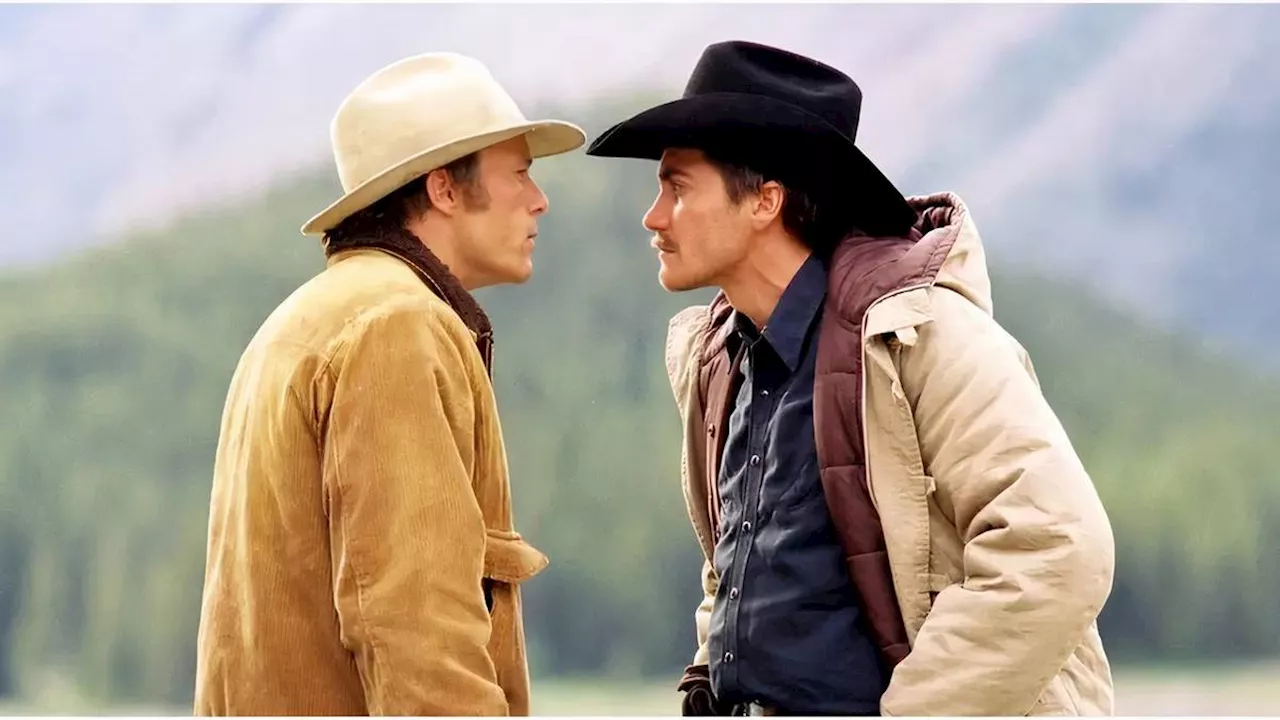
UPDATE: As “Brokeback Mountain” marks its 20th anniversary, the film continues to resonate with audiences, echoing themes of love and loss that remain profoundly relevant today. This urgent look at the film’s legacy highlights its emotional depth and cultural significance, captivating viewers once more.
When Jack and Ennis first connect in Ang Lee’s Oscar-winning film, their encounter is both raw and passionate, set against the backdrop of the 1963 Wyoming mountains. Despite the vast wilderness, these lovers hide from societal expectations and their own fears, a narrative that remains painfully relatable two decades later.
“Brokeback Mountain,” which premiered at the Venice Film Festival on September 2, 2005 before its theatrical release on December 9, 2005, explores the internalized struggles faced by Jack and Ennis, two men confined by the rigid norms of masculinity. Their journey is marked by fleeting meetings and unspoken love, making the film a poignant depiction of unfulfilled desires.
The film’s cinematography by Rodrigo Prieto and Lee’s direction create a landscape that mirrors the tumultuous emotions of its characters. Despite facing significant backlash during its release, “Brokeback Mountain” has since overshadowed its contemporaries, becoming a critical touchstone in queer cinema.
With a modest budget of $14 million, the film grossed nearly $180 million, proving its universal appeal. Ang Lee received the Best Director Oscar, while the film also won awards for Best Adapted Screenplay and Best Score. The performances of Heath Ledger, Jake Gyllenhaal, and Michelle Williams have become iconic, cementing their places in cinematic history.
In a world where LGBTQ+ narratives were often sidelined, “Brokeback Mountain” emerged as a vital story, reflecting the struggles of many who have loved in silence. Jack and Ennis’s story invites viewers to confront their own experiences of love and societal rejection, making it as impactful now as it was at its debut.
As we reflect on this cultural phenomenon, the film’s legacy remains strong, prompting discussions about love, identity, and acceptance. The haunting absence of Ledger, who passed away just three years later, adds an additional layer of poignancy to the film, reminding audiences of the fleeting nature of life and love.
With its anniversary, “Brokeback Mountain” reaffirms its status as a landmark film that continues to inspire and provoke thought, offering a space for all viewers to recognize their own stories within its frames. As the film is rediscovered by new generations, its messages of love and loss resonate more than ever, ensuring that its echoes will be felt for years to come.
As conversations around the film resurface, audiences are encouraged to engage with its themes, celebrating its impact on cinema and society. “Brokeback Mountain” invites everyone to reflect on the complexities of love, making it a timeless piece of art that is more than just a film—it is a mirror to our humanity.