UPDATE: The Archdiocese of New Orleans has just finalized a historic $230 million settlement for survivors of clergy sexual abuse, following a ruling by U.S. District Judge Meredith Grabill. This monumental decision concludes one of the most extensive and financially burdensome church bankruptcy cases in U.S. history, triggered by over 600 claims of abuse against the archdiocese.
The settlement paves the way for significant reforms in child protection practices, set to begin with a survivors’ fund that will start receiving payments by December 26, 2025. Furthermore, stringent child protection reforms will be implemented by January 1, 2026, according to reports from The Guardian.
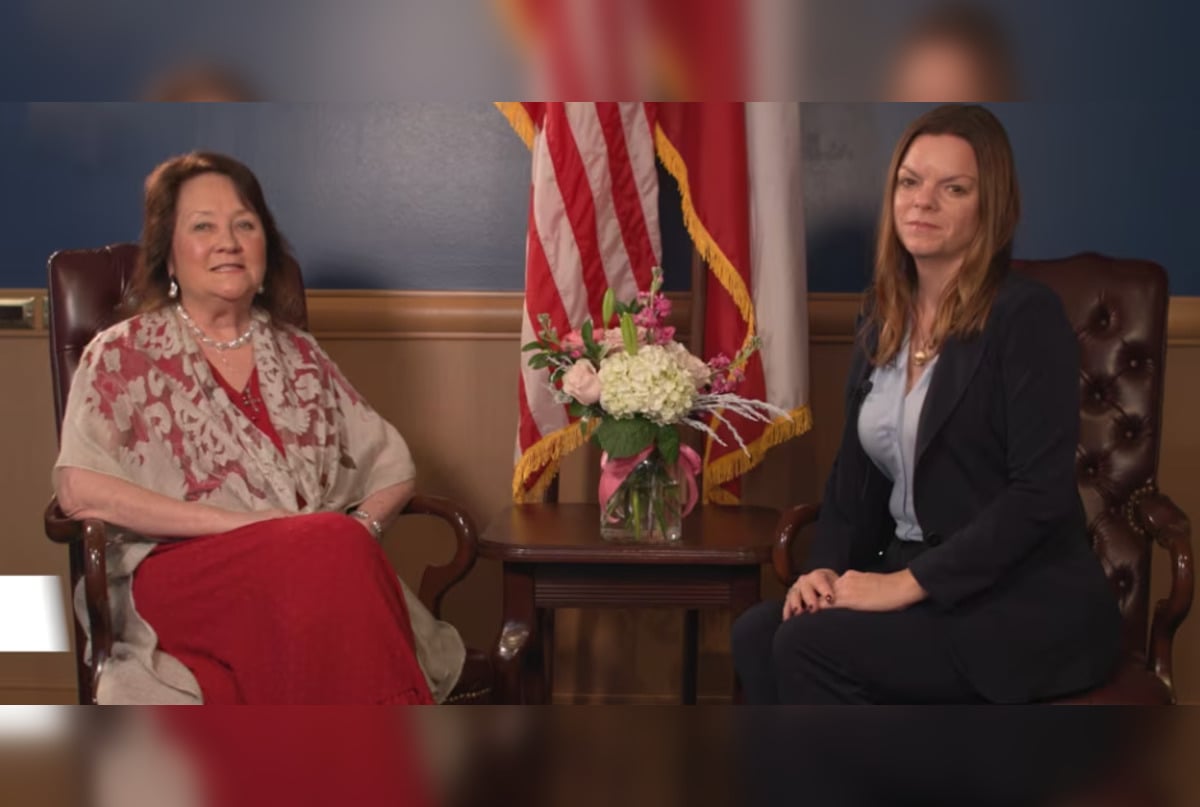
In a poignant statement, Judge Grabill expressed her deep empathy, stating she “heard you and ached for you,” highlighting the emotional weight of the survivors’ testimonies. The financial structure of the settlement includes $130 million in cash from the archdiocese, a $70 million sale of its affordable housing program, and approximately $30 million from insurance companies, including additional recoveries from litigation against Travelers Insurance Co., as detailed by WDSU.
Survivors will receive compensation through a points-based assessment system tailored to the severity of each claim. However, concerns persist over the ethical implications of reducing survivors to numerical values. Survivor Neil Duhon expressed frustration, stating, “Survivors are being reduced to numbers. Where’s the humanity in that?”
Enhanced protective measures will involve new protocols for reporting and investigating abuse allegations, as well as improved communication with survivors. In a landmark move towards transparency, the settlement also requires the establishment of a public archive at LSU in Baton Rouge, which will house thousands of documents related to the abuse claims.
Despite the progress, critics remain wary of the archdiocese’s expenditure of over $50 million in legal fees, a cost that does not contribute to victim compensation. The release of records pertaining to abuse claims at LSU is expected to shed light on the archdiocese’s past, moving away from a history of secrecy.
The settlement is a critical step forward for survivors, but as Duhon poignantly noted, “This legal thing may end, but the trauma done to us will not ever end.” As this case unfolds, the focus will remain on the implementation of the promised reforms and the impact on the survivors’ journey toward healing.
For ongoing updates, stay tuned as this story develops.