Aboriginal Elders Booed at Anzac Day as Angus Taylor Slams Welcome to Country Ceremonies
Aboriginal Elders were booed during Anzac Day services across Melbourne, Sydney, and Perth, sparking outrage and debates over the role of Welcome to Country ceremonies in Australia.
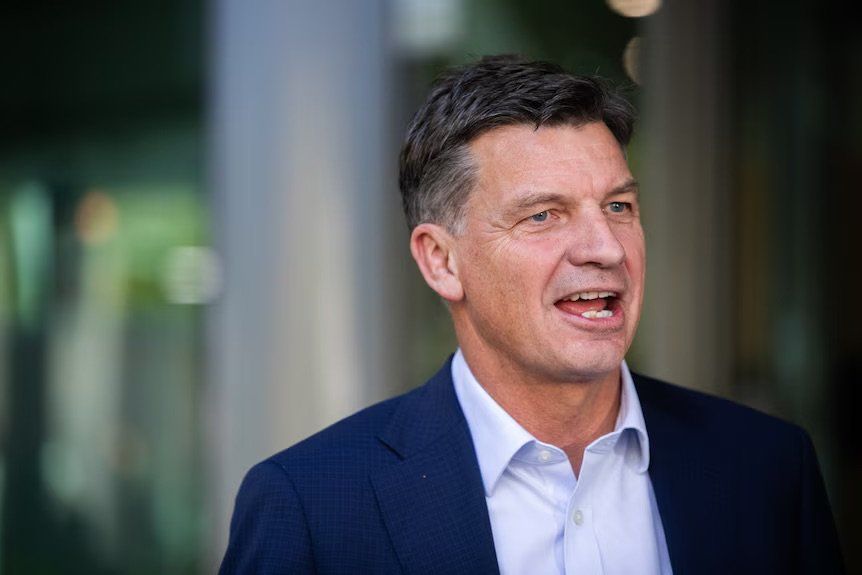
Opposition Leader Angus Taylor condemned the booing but ignited fresh controversy by claiming on ABC Insiders that Welcome to Country ceremonies are “overused” and have lost their significance. “I feel that at times — often, actually. I think it is overused and as a result they are devalued,” Taylor said, calling for fewer ceremonies to make them “more special when it happens.”
Taylor’s remarks echo comments from former opposition leader Peter Dutton, who during last year’s election campaign argued similar ceremonies are “dividing the country,” comparing them to the polarizing Voice referendum. Taylor also declined to criticize far-right politician Pauline Hanson on immigration.
Violent Booing Disrupts Anzac Day Traditions
The booing broke the solemnity of Anzac Day events dedicated to honoring Australia’s war veterans, including Aboriginal and Torres Strait Islander servicemen.
In Melbourne, Bunurong Elder Mark Brown was jeered during his Welcome to Country. In Sydney, Ray Minniecon was interrupted by hecklers, while Whadjuk Noongar Elder and veteran Di Ryder faced booing in Boorloo/Perth.
Stephen Barton, chief executive of the RSL WA, condemned the disruptions. “Di, on behalf of RSL and veteran community, I offer my heartfelt thank you for that acknowledgement to country. It [the booing] was one of the most disgraceful things I have ever heard,” Barton said.
Links to Far-Right Groups and Political Backlash
The booing incidents were reportedly fuelled by online campaigns from anti-immigration group Fight for Australia, which encouraged supporters to publicly oppose Welcome to Country ceremonies on social media.
The Age reported that some disruptive attendees at Melbourne’s Shrine of Remembrance were former members or associates of the now-disbanded National Socialist Network, a far-right extremist group.
Victorian Premier Jacinta Allan slammed the actions, stating, “To break the stillness of Dawn Service is not just ugly behavior towards our Aboriginal servicemen and women who defended this country — it disrespects everyone who fought for our freedoms.” Allan called the politicizing of Anzac Day “bastardry” and demanded every leader condemn the disruptions.
Indigenous academic Marcia Langton urged authorities to ban those responsible for the heckling from future events, highlighting that over 118 Aboriginal and Torres Strait Islander men served in the Australian Light Horse during the First World War. She denounced the hecklers as “morons” who tried to steal the sacred moment from those honoring Indigenous service.
Why This Matters Now
The Anzac Day disruptions and Taylor’s call to reduce Welcome to Country ceremonies come at a time of heightened tensions around Indigenous recognition and national identity debates in Australia.
For U.S. readers, the story highlights ongoing global challenges around Indigenous rights, public memorials, and backlash against cultural acknowledgment ceremonies.
As these debates unfold in Australia, Colorado and American communities grappling with their own histories of Indigenous recognition and reconciliation may find lessons in how such moments are honored or contested in public life.
What’s Next
Authorities and event organizers face pressure to increase security and prevent disruptions at future commemorative events.
Political leaders nationwide are urged to take firm stances condemning hate-fueled interruptions while balancing the cultural significance of Indigenous ceremonies.
The conversation about how and when to conduct Welcome to Country ceremonies is expected to intensify ahead of Australia’s ongoing debates on Indigenous voice and reconciliation policies.
The Colorado Daily will monitor developments as this major controversy unfolds, emphasizing the intersection of tradition, politics, and respect in public commemorations worldwide.